The 5 Best Math Curricula for Early Learners (2026)
We tested five popular math programs with our kids. Here's what actually worked — and what didn't.
By The Slow Childhood
Why Choosing the Right Math Curriculum Matters
If you're choosing a math curriculum for your little one, the sheer number of options can feel overwhelming. We've been there — standing in front of a screen with 47 browser tabs open, each one promising to be "the best."
So we did what we always do: we tried them ourselves. Over the past two years, we've worked through five of the most popular early math programs with our kids, and we're sharing everything we learned.
What We Looked For
Before diving into reviews, here's what mattered most to us:
- Hands-on learning — manipulatives, not just worksheets
- Conceptual understanding — not just memorizing facts
- Parent-friendly — minimal prep time
- Engagement — would our kids actually enjoy it? (We also rely heavily on math games and hands-on activities to supplement any formal program.)
1. Math-U-See (Alpha & Beta)
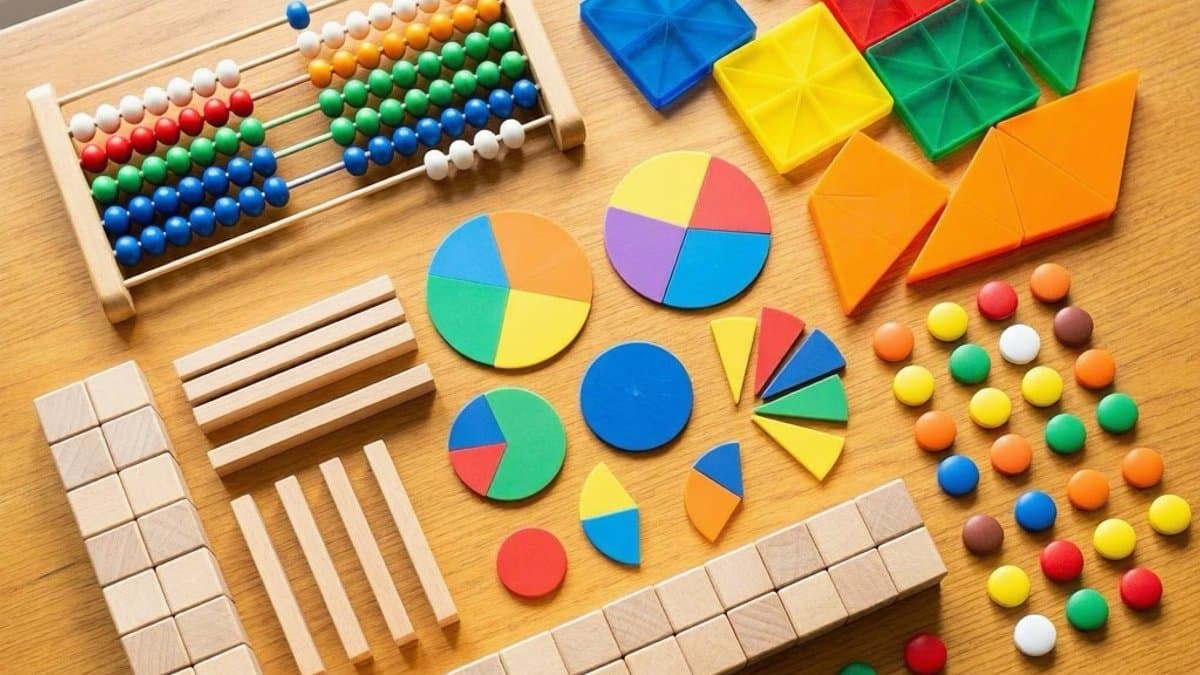
Math-U-See uses colored blocks to teach place value and operations. The video lessons from Steve Demme are clear and engaging, and the manipulative-based approach aligns beautifully with a Montessori-inspired home.
Pros:
- Excellent manipulatives included
- Mastery-based (move on when ready)
- Video lessons mean less parent prep
Cons:
- Can feel slow for quick learners
- Worksheets are repetitive by design
Best for: Hands-on learners who need to see and touch math concepts.
2. Right Start Math
Right Start uses an abacus as its primary tool and teaches through games. This is our personal favorite for the early years.
Pros:
- Game-based learning keeps kids engaged
- Builds strong number sense
- Teaches mental math strategies early
Cons:
- Very teacher-intensive (you're leading every lesson)
- Higher price point
Best for: Parents who enjoy being actively involved in lessons.
3. Singapore Math (Dimensions)
Known worldwide for producing strong math students, Singapore Math uses a concrete-pictorial-abstract approach.
Pros:
- Rigorous and well-sequenced
- Beautiful, uncluttered workbooks
- Proven methodology
Cons:
- Less hands-on than Math-U-See or Right Start
- May need supplemental practice for some kids
Best for: Families who want a structured, proven approach.
4. Wild Math
A nature-based math curriculum that takes learning outdoors. This is a newer option that's been gaining popularity in the homeschool community.
Pros:
- Perfect for outdoor-loving families
- Integrates math with nature study
- Beautiful, Charlotte Mason-inspired
Cons:
- Less systematic than traditional curricula
- Weather-dependent activities
Best for: Families who want to integrate math into their nature time.
5. Teaching Textbooks
Teaching Textbooks is a fully digital, self-grading math program. While we generally prefer screen-free learning, this one earned its place for specific situations.
Pros:
- Completely independent (kids can do it alone)
- Self-grading saves parent time
- Excellent for review and practice
Cons:
- It's screen-based (yes, we see the irony)
- Less conceptual depth
Best for: Families needing an independent option for busy days.
Our Recommendation
For most families starting out, we recommend Right Start Math for the early years. The game-based approach keeps young children engaged, and the mental math strategies it builds are invaluable.
If you prefer less parent involvement, Math-U-See is an excellent alternative with its video lessons and hands-on blocks.
Tips for Choosing
- Order samples first — most companies offer free trials
- Consider your teaching style — do you want to lead or facilitate?
- Watch your child — do they need to move, or are they happy with workbooks?
- Don't be afraid to switch — what works at age 5 may not work at age 7
If you are just beginning your homeschool journey with a young child, our guide to the best homeschool curriculum for kindergarten covers how math fits into a complete early learning plan.
Frequently Asked Questions
- What is the best math curriculum for early learners?
- For most families starting out, Right Start Math is the best math curriculum for early learners. Its game-based approach keeps young children engaged, and the mental math strategies it builds are invaluable. If you prefer less parent involvement, Math-U-See is an excellent alternative with video lessons and hands-on blocks.
- When should I start a formal math curriculum?
- Most children are ready for a formal math curriculum between ages 4-6. Before that, focus on informal math through play — counting objects, sorting, patterns, and measuring during cooking. Signs of readiness include counting to 10 reliably, recognizing basic shapes, and showing interest in numbers.
- How long should math lessons be for kindergartners?
- Keep math lessons to 15-20 minutes for kindergartners (ages 5-6). Young children learn best in short, focused sessions. If your child is engaged, you can extend to 25 minutes, but stop before frustration sets in. Daily short lessons outperform longer weekly sessions.
- Do I need manipulatives for homeschool math?
- Yes, manipulatives are essential for early math. Young children need to physically touch and move objects to understand abstract concepts like place value and addition. You don't need expensive sets — dried beans, buttons, LEGO bricks, and coins all work well as math manipulatives.
Enjoying this article?
Get more ideas like this delivered to your inbox every week.