Homeschool Field Trip Ideas: 50+ Real-World Learning Destinations
50+ field trip ideas for homeschool families — from classic museums to surprisingly educational everyday destinations. Plus how to plan, document, and make trips count.
By The Slow Childhood
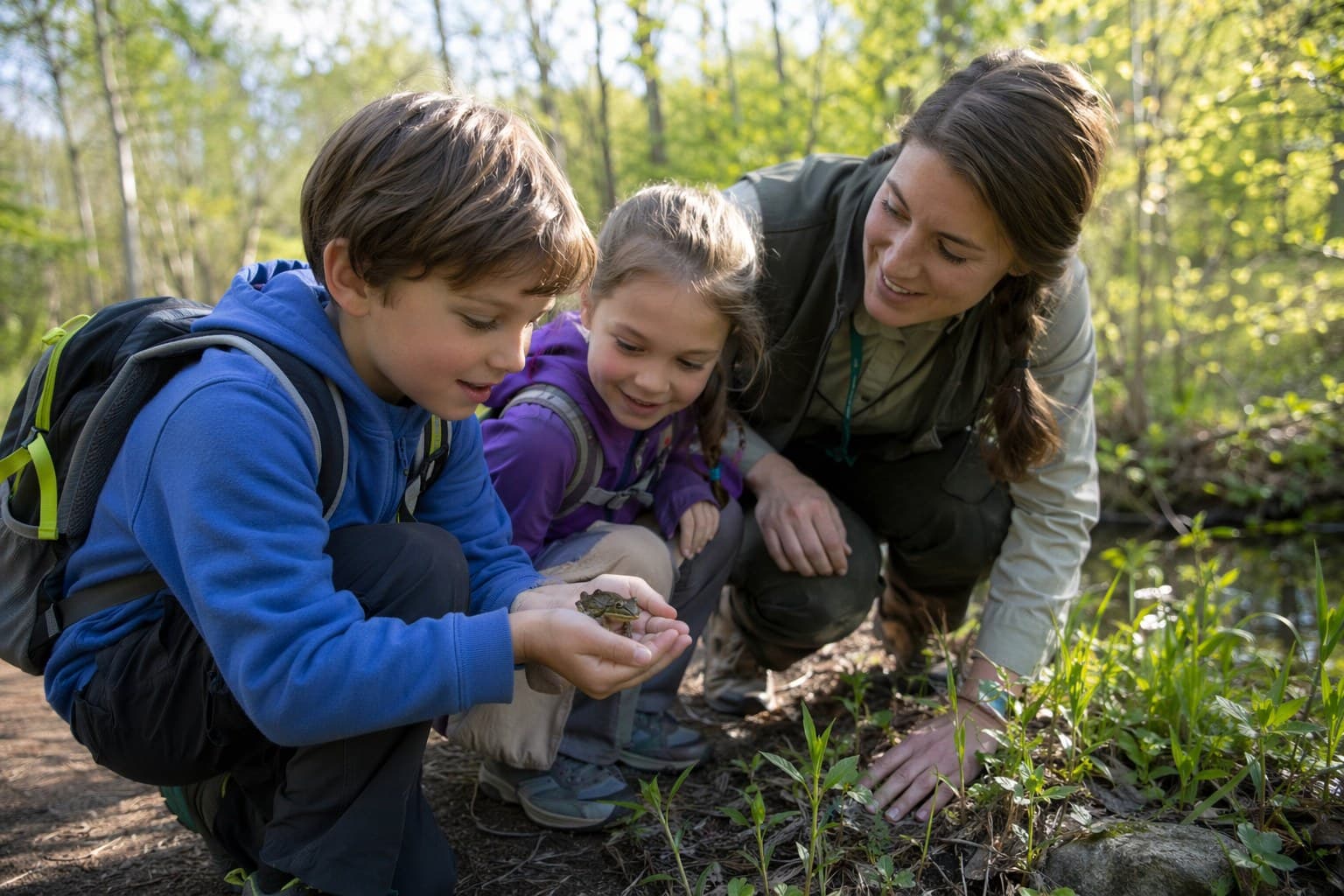
Field trips are one of homeschooling's greatest advantages. While traditional school students get a few field trips per year — often crowded, rushed, and structured around the lowest common denominator — homeschool children can visit dozens of destinations annually, at their own pace, with the depth and time real learning requires.
This guide includes 50+ field trip ideas organized by category, plus practical advice on planning, documenting, and getting the most from real-world learning experiences.
Classic Educational Destinations
Museums
Science museums. Hands-on exhibits, planetariums, traveling exhibitions — science museums are the gold standard of homeschool field trips. Most cities have at least one. Check for homeschool day programs with discounted admission.
Children's museums. Designed for hands-on exploration; ideal for ages 2-8. Often less crowded on weekday mornings (perfect homeschool timing).
Natural history museums. Dinosaurs, fossils, geological specimens, animal dioramas. Pair with reading about a specific exhibit before visiting.
Art museums. Don't skip these because you think children won't be interested. Most major art museums have excellent kids programs, scavenger hunts, and accessible tours. Children see famous works in person and often surprise parents with sustained interest.
Local history museums. Smaller, often free or low-cost, focused on local stories. These connect children to the place they live.
Zoos and Aquariums
Zoos. Combine biology, geography, conservation, and animal welfare topics. Many zoos offer homeschool programs — affordable behind-the-scenes experiences and educational tours.
Aquariums. Marine biology in person. Often pair with visits to actual coastal areas where applicable.
Wildlife rehabilitation centers. Smaller scale but more intimate experiences. Children see animals being cared for and often learn about specific species in depth.
Butterfly houses. Specialized experience focused on insect biology, life cycles, and pollination.
Nature and Outdoor Destinations
National parks. Multi-day trips with extensive educational ranger programs, junior ranger badges, and unforgettable outdoor experiences.
State parks. Smaller but often equally educational. Many have nature centers, naturalist programs, and accessible trails.
Nature preserves and conservation areas. Bird-watching, ecosystem study, plant identification.
Botanical gardens. Plant biology, ecology, garden design. Often free or low-cost.
Beaches with naturalist programs. Tidepool exploration, marine biology, geology.
Caves and caverns. Geology, formations, ecosystems. Memorable and tactile.
Farms. Agriculture, animal husbandry, food systems. Many farms welcome educational visits with advance notice.
Apple orchards / berry farms in season. Connect food to source. Pair with cooking and preservation activities at home.
Historical Sites
Battlefield parks. History becomes vivid when standing where it happened. Pair with reading about the specific events.
Historic homes. Daily life in past eras. Williamsburg, Jamestown, Mount Vernon, Monticello are major destinations; smaller local historic homes work too.
Living history museums. Costumed interpreters, hands-on experiences with period crafts and skills.
Restored ships and submarines. Maritime history at a scale impossible to capture in books.
Historic forts. Military history, architecture, period life.
Plantation tours (with thoughtful programming). Many have moved beyond romanticized presentation to address slavery seriously. Worth visiting for honest historical engagement.
Surprisingly Educational Everyday Destinations
Working Destinations
Fire stations. Most welcome educational visits. Children see equipment, learn about firefighting, and meet community helpers.
Police stations. Similar to fire stations — community engagement, tour of facilities, conversation with officers.
Post office. How mail moves through systems. Send a letter from the actual post office and trace its journey.
Bakeries. How bread is made at scale. Many small bakeries welcome educational visits and let children watch the process.
Factory tours. Many factories offer public tours — chocolate factories, candy makers, breweries (kids welcome at non-tasting tours), car manufacturers, paper mills, recycling centers. Search "factory tours [your state]" for surprising options.
Newspaper or radio station. How media is produced. Behind-the-scenes tour of broadcast or print media.
Hospital tours. Some hospitals offer pediatric tour programs that demystify medical experiences for children.
Courthouse or trial observation. Watch real legal proceedings (most are public). Powerful civics education.
City council meetings. Local government in action. Civics class made real.
Cultural and Community
Libraries beyond your usual one. Visit different libraries — major main libraries, specialty libraries (law, medical, university). Each has different resources and atmospheres.
Community gardens. Sustainable agriculture, community organizing, plant biology.
Religious buildings of various traditions. Comparative religion through respectful visits to mosques, synagogues, temples, churches, and other places of worship. Most welcome educational visits.
Cultural festivals. Different cultures celebrating their heritage. Music, dance, food, history.
Farmers markets. Direct producer-to-consumer commerce. Talk to farmers about what they grow.
Performance and Arts
Live theater. Children's theater productions, musicals, even Shakespeare for older kids.
Symphony or chamber music concerts. Many orchestras have family programs designed for young audiences.
Ballet or dance performances. Visual storytelling, music, athletic art.
Art classes or workshops. Pottery, painting, weaving — local studios often offer kid programs.
Outdoor Adventure
Hiking trails. Build hiking endurance, develop nature knowledge.
Biking trails. Active outdoor experience, exploring further than walking allows.
Canoeing or kayaking. Water-based adventure and ecology.
Rock climbing gyms. Many have kids programs and birthday events.
Horseback riding lessons. Animal connection, physical challenge, focus.
Planning a Successful Field Trip
Before You Go
Read about the destination. Even 10 minutes of background reading transforms the experience. For older kids, assign related reading or research.
Set a learning intention. Not heavy goals — just one or two things you hope they take from the experience.
Check for homeschool programs. Many destinations offer specific homeschool programming, often discounted.
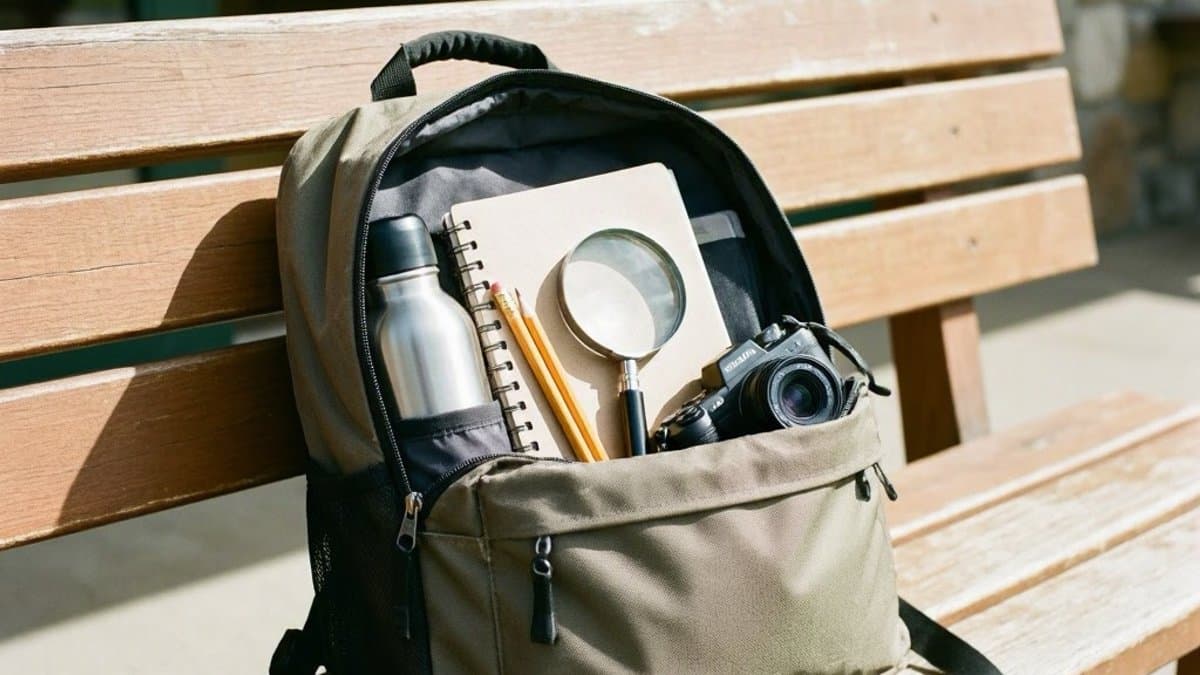
Pack thoughtfully. Notebook, pencils, snacks, water, weather gear, comfortable shoes.
Plan timing. Most trips work better in the morning when children are fresh. Build in lunch and quiet time afterward.
During the Trip
Let children lead. Their curiosity often takes the trip in unexpected directions. Follow their interest rather than insisting on your agenda.
Don't rush. Better to thoroughly explore one or two exhibits than skim everything.
Take photos and notes together. Children can sketch, record observations, or take their own photos with a basic kid camera.
Talk about it. Conversation during and after embeds learning. Ask open-ended questions: "What surprised you?" "What would you want to learn more about?"
After the Trip
Document. Photos, work produced, notes — file these in a field trip journal or homeschool portfolio.
Extend the learning. Library books on the topic, related videos, art projects inspired by what you saw, writing about the experience.
Discuss as a family. Dinnertime conversation about the trip cements the experience and includes parents who weren't there.
Best Field Trip Resources
Membership Reciprocity Programs
ASTC Travel Passport — Many science museums participate in a reciprocity program. Membership at one participating museum gets you free admission at hundreds of others nationwide. One of the best homeschool investments available.
AZA Reciprocal Membership — Similar program for zoos and aquariums.
Time Travelers — Reciprocal program for historic sites and history museums.
Books for Field Trip Inspiration
The Way Things Work Now by David Macaulay — Illustrated explanations of how everything works. Pair with factory tours.
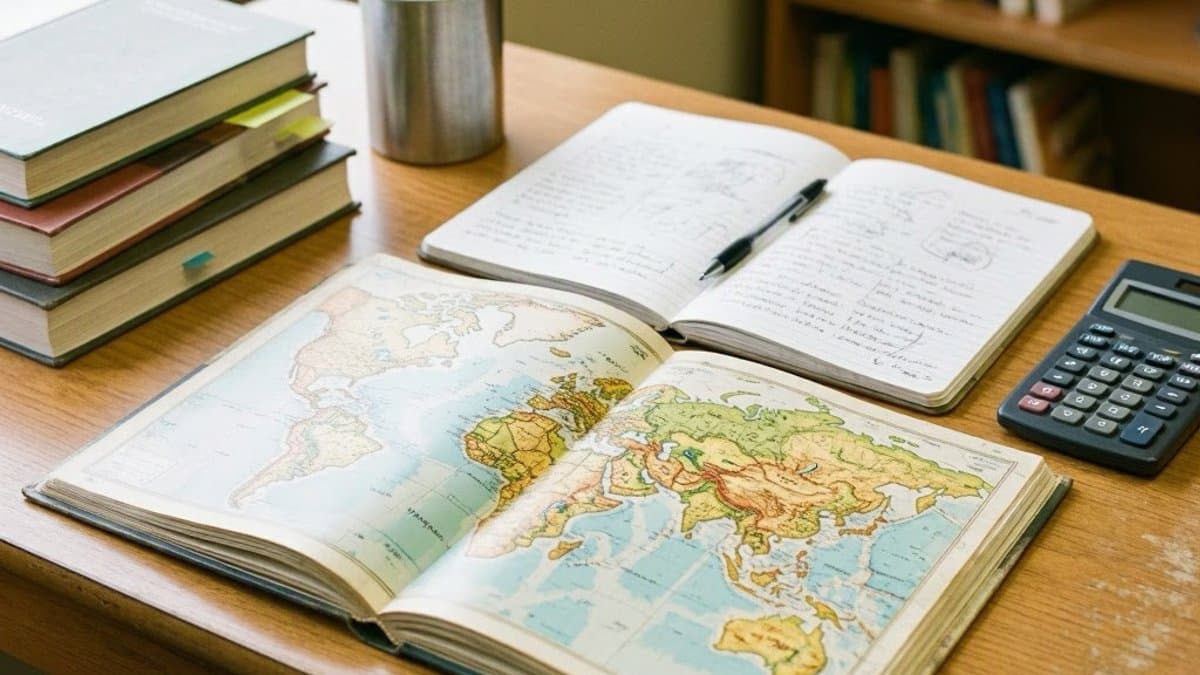
Window on the World and similar atlas books — Inspiration for cultural field trips.
For more on homeschool planning and resources, see our guides to homeschool planning and organization, homeschool socialization through co-ops, and homeschool daily schedule planning.
The world is the textbook for engaged homeschool families. Real places, real people doing real work, real history where it happened — this is education that books alone cannot provide. Build a habit of regular field trips, and watch your children develop the genuine curiosity and broad knowledge that homeschool's greatest advantage produces.
Frequently Asked Questions
- How often should homeschool families take field trips?
- There's no universal right answer, but most families benefit from at least one substantial field trip per month, plus shorter outings (library, local park exploration, etc.) weekly. Frequent field trips embed learning in real-world experiences and prevent the homeschool day from becoming entirely indoor and academic. Many homeschool co-ops organize monthly group trips, which adds social benefits to educational ones.
- Do field trips count as school days?
- In most US states, yes — field trips count toward required attendance days. Document them as you would document classroom learning: date, location, what was learned, photos or work produced. Some states require submitting field trip documentation; others don't. Check your state's homeschool laws. Even where not formally required, treating field trips as legitimate school days helps both you and your child take them seriously.
- How do I find homeschool-friendly field trip destinations?
- Start with explicit homeschool programs at: science museums, art museums, historical sites, zoos, aquariums, nature centers, and farms. Many offer discounted homeschool group rates and tailored programming. Then expand to working destinations: factories, fire stations, libraries, local farms, post offices, courthouses, and family businesses. Most welcome educational visits with advance notice. Check local homeschool Facebook groups for organized field trips and recommendations.
- What should I bring on a field trip?
- Pack: a notebook or [field trip journal](https://www.amazon.com/s?k=kids+nature+journal+notebook&tag=theslowchildhood-20) for each child, pencils and crayons for sketching, a camera or phone for photos, snacks and water (essential), tissue and basic first aid, comfortable walking shoes, and weather-appropriate clothing. For younger children, also pack a small comfort item and consider how long the trip will realistically work for their attention span. Plan for shorter trips with toddlers; full days work fine for elementary-age kids.
Enjoying this article?
Get more ideas like this delivered to your inbox every week.