Best Dollhouses for Kids (Modern, Wooden, and Vintage Compared)
The best dollhouses for kids — KidKraft, Plan Toys, Melissa & Doug, and Calico Critters compared. Plus essential furniture, dolls, and accessories.
By The Slow Childhood
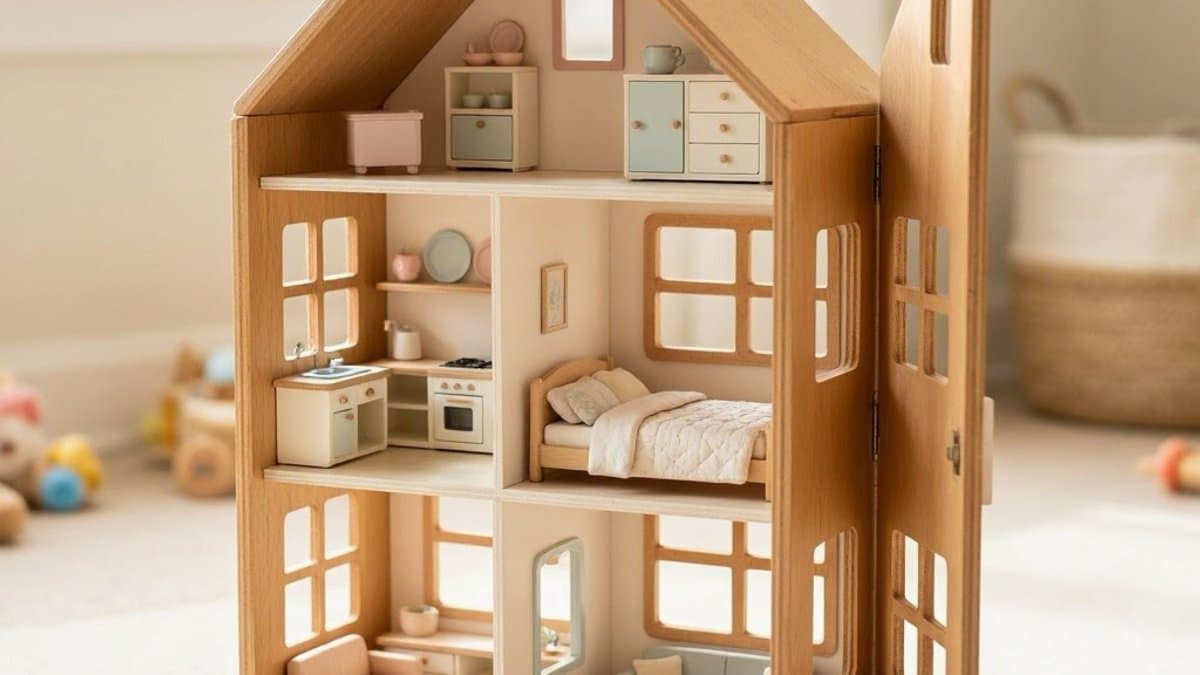
A good dollhouse becomes a portal to elaborate imaginative worlds. Children who barely play with most toys for ten minutes will spend hours in a dollhouse — arranging furniture, narrating family scenarios, conducting tiny dramas, building communities. The dollhouse provides structure (rooms, a family, basic furniture) and freedom (children fill in everything else with imagination).
This guide covers the dollhouses we recommend across price points and styles, plus the accessories that extend play.
Best Wooden Dollhouses
KidKraft Wooden Dollhouses
KidKraft Dollhouses dominate the mid-range wooden dollhouse market. The Annabelle, Majestic Mansion, and Brooklyn Loft are popular models with charming design, multiple rooms, and included furniture.
Pros:
- Beautiful wood construction
- Multiple rooms (typically 4-6+)
- Often includes some furniture
- Wide style range (modern, traditional, cottage)
- Strong build quality
- Reasonable pricing for the size
Cons:
- Substantial assembly time
- Footprint requires dedicated space
- Some pieces feel less premium than higher-end options
Best for: Most families wanting quality dollhouses at reasonable prices.
Melissa & Doug Wooden Dollhouses
Melissa & Doug Wooden Dollhouses offer slightly smaller, more affordable wooden options. Quality is good, designs are attractive.
Best for: Smaller spaces; budget-conscious wooden dollhouse.
Plan Toys Dollhouse
Plan Toys Dollhouse takes the premium sustainable approach with eco-friendly materials and clean modern design.
Best for: Eco-conscious families; design-focused homes.
Best Premium Dollhouses
Maileg Mouse Houses
Maileg Mouse Houses feature beautifully crafted small mouse-scale houses with intricate detailing. Premium European craftsmanship.
Best for: Heirloom-quality miniature world; collectors.
Lundby Dollhouses
Lundby Dollhouses (Swedish design) provide modern dollhouse aesthetics with electrical lighting features. Premium quality, clean Scandinavian design.
Best for: Modern aesthetic; advanced features.
Best Calico Critters / Sylvanian Families
Calico Critters Cozy Cottage
The Calico Critters Cozy Cottage is the entry point to the Calico Critters world. Includes a small house with a family of animal figures.
Best for: Introducing the Calico Critters universe.
Calico Critters Cloverleaf Manor
Calico Critters Cloverleaf Manor is the premium Calico Critters house — multiple floors, multiple rooms, expansive play area. The flagship of the line.
Best for: Established Calico Critters fans wanting expansion.
Calico Critters Family Sets
Calico Critters Family Sets — bear families, rabbit families, hedgehog families — populate the houses. Children typically build collections of multiple families.
Best for: Expanding the Calico Critters world; gift options.
Best Modern Dollhouses
Lundby Smaland Dollhouse
The Lundby Smaland features modern Scandinavian aesthetics with contemporary furniture.
Best for: Modern aesthetic; design-conscious families.
KidKraft Brooklyn's Loft
The KidKraft Brooklyn's Loft takes a contemporary apartment approach instead of traditional house design. Modern furniture and design throughout.
Best for: Children who like modern style; urban-themed play.
Essential Dollhouse Furniture and Accessories
Furniture Sets
If your dollhouse didn't come with furniture (or came with basic pieces), dollhouse furniture sets extend play significantly. Wooden furniture is more durable and aesthetically appropriate for wooden houses.
Dolls and Figures
Wooden dollhouse dolls — flexible families with diverse representation — populate dollhouses meaningfully. Look for diverse skin tones, varied family compositions, and multi-generational sets.
Vehicles
Small wooden cars and vehicles extend dollhouse play into community scenarios — driving to visit grandma, going to school, etc.
Pet Sets
Tiny dollhouse pets (cats, dogs, hamsters) add another layer to family play.
Food Sets
Miniature play food supports cooking scenarios within dollhouse play.
Setup and Storage Tips
Position thoughtfully. Place the dollhouse where children can sit comfortably and reach all rooms. Floor placement works best for younger children; tabletop or low shelf for older.
Keep small parts contained. Small storage bins for furniture and accessories prevent loss.
Resist over-stocking. Quality over quantity. A dollhouse with 30 well-chosen items invites more focused play than one with 200 random pieces.
Display rather than store. Open dollhouses on a shelf or floor space invite use; closed-up dollhouses get used rarely.
Rotate accessories occasionally. Bring out new pieces, put away others. Novelty refreshes engagement.
Extending Dollhouse Play
Build worlds around it. Add a Magna-Tile community around the dollhouse — a town with shops, schools, parks the doll family visits.
Connect to real life. When something happens in your real family (someone gets sick, family member visits, holiday celebration), often the dollhouse mirrors it within days.
Read related books. Dollhouse-themed picture books extend the play experience.
Make miniatures together. Polymer clay food, cardboard furniture, fabric scrap rugs — DIY accessories teach crafts and personalize the dollhouse.
For more on imaginative play and quality toys, see our guides to imaginative play ideas for preschoolers, best wooden toys for toddlers, and pretend play kitchen sets.
A dollhouse is one of those classic toys that proves itself across years. Children develop language skills, work through social and emotional content through play, build small worlds, and create the kinds of stories that build creative minds. Choose well, populate thoughtfully, and watch your child's imagination fill the rooms.
Frequently Asked Questions
- What age is best for a dollhouse?
- Dollhouses appeal across a wide age range — 2-10 years. Toddlers (2-3) play simply with figures and rearranging furniture. Preschoolers (3-5) develop elaborate stories. Early elementary (5-8) create complex narratives, family scenarios, and pretend communities. Older children (8-10) often design and renovate dollhouses, choosing wallpaper, furniture, and adding details. The right dollhouse can serve a child for 5-8 years, easily justifying the investment.
- Are dollhouses just for girls?
- Dollhouses work beautifully for any child interested in imaginative play and small-scale worlds. Many companies now market gender-neutrally, and the play patterns benefit all children — language development, narrative skills, social-emotional processing through stories, fine motor skills with small objects. Some boys play with dollhouses just as girls do, often with truck and animal incorporation. Don't let outdated marketing prevent you from giving any child a dollhouse if they show interest.
- What's the difference between a dollhouse and Calico Critters / Sylvanian Families?
- [Calico Critters / Sylvanian Families](https://www.amazon.com/s?k=Calico+Critters+house&tag=theslowchildhood-20) (the same brand sold under different names internationally) are a system of small animal characters with their own houses, accessories, and narrative world. They're more detailed and structured than open-ended dollhouses. Children either love the Calico Critters world specifically or prefer the more open-ended quality of generic dollhouses. Both can coexist in collections; many children have both.
- How big should a first dollhouse be?
- For first dollhouses, mid-size is ideal — large enough for substantial play but not overwhelming. Look for 3-4 rooms, openable in some way (front opens, back opens, top removes), and accommodating dolls 4-6 inches tall. Avoid massive multi-floor houses for first purchases — they're overwhelming and expensive. Children grow into larger collections naturally; start manageable.
Enjoying this article?
Get more ideas like this delivered to your inbox every week.