20 Process Art Ideas for Toddlers — Focus on the Experience, Not the Product
Twenty open-ended process art activities for toddlers aged 1-3 that prioritize sensory exploration and creative expression over pretty results.
By The Slow Childhood
Process art for toddlers is any creative activity where the focus is on the experience of making rather than the finished product. Unlike crafts that follow a template, process art invites children aged 1 to 3 to explore materials freely — squishing paint between their fingers, tearing paper, stamping with objects, and discovering what happens when colors mix. This approach builds fine motor skills, sensory processing, self-expression, and creative confidence. The 20 ideas below require minimal supplies, suit a range of developmental stages, and celebrate the beautiful mess of toddler creativity.
Why Process Art Matters for Toddlers
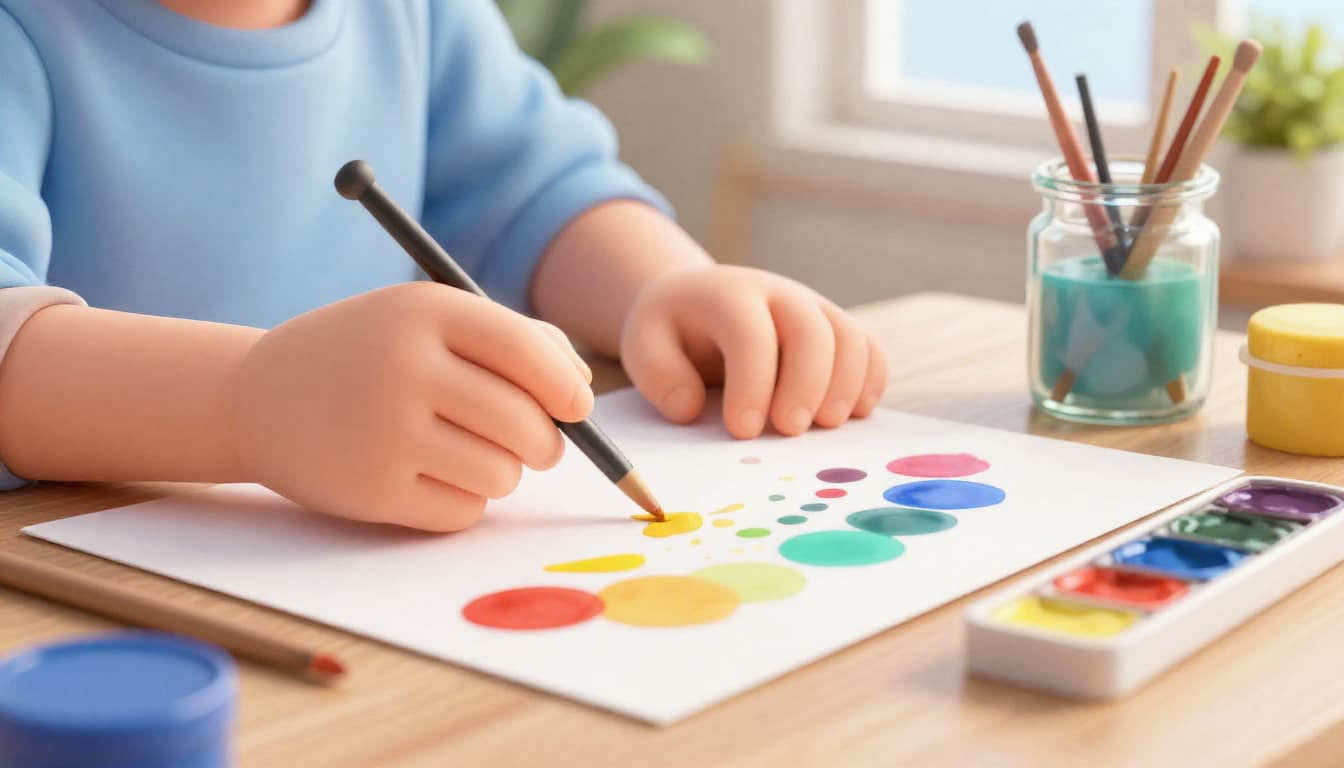
When a toddler smears paint across a sheet of paper, they are not trying to create a picture. They are learning about cause and effect ("I move my hand and color appears"), developing grip strength, exploring texture, and experiencing the joy of agency. This is some of the most important work a young child can do.
Process Art vs. Product Art
The distinction matters:
- Product art has a model. The adult shows a finished example, provides step-by-step instructions, and the child tries to replicate it. Think of pre-cut snowman parts glued in the "right" order.
- Process art has no model. The adult provides materials and the child decides what to do with them. There is no "right" way. A painting might be entirely brown because the child loved mixing all the colors together — and that is a success.
Both have value, but for toddlers (ages 1-3), process art is far more developmentally appropriate. Young children lack the fine motor control and cognitive maturity to follow craft instructions, and pushing them toward a specific result often creates frustration instead of joy.
What Toddlers Gain from Process Art
- Fine motor development — gripping brushes, tearing paper, squeezing bottles, poking dough
- Sensory integration — experiencing different textures, temperatures, smells, and visual effects
- Cause and effect understanding — "when I press the sponge, paint comes out"
- Emotional expression — art becomes an outlet before children have the words to express big feelings
- Decision-making — choosing colors, tools, and methods builds independence
- Concentration — open-ended exploration naturally sustains attention
Setting Up for Success
Before you begin any of the activities below, a few setup strategies will save your sanity.
Designate an Art Space
Choose a spot with easy cleanup — a kitchen floor, a highchair tray, an outdoor patio, or a table covered with a plastic tablecloth. Having a consistent art area means your toddler learns where art happens and you are not constantly worried about the couch.
Gather Basic Supplies
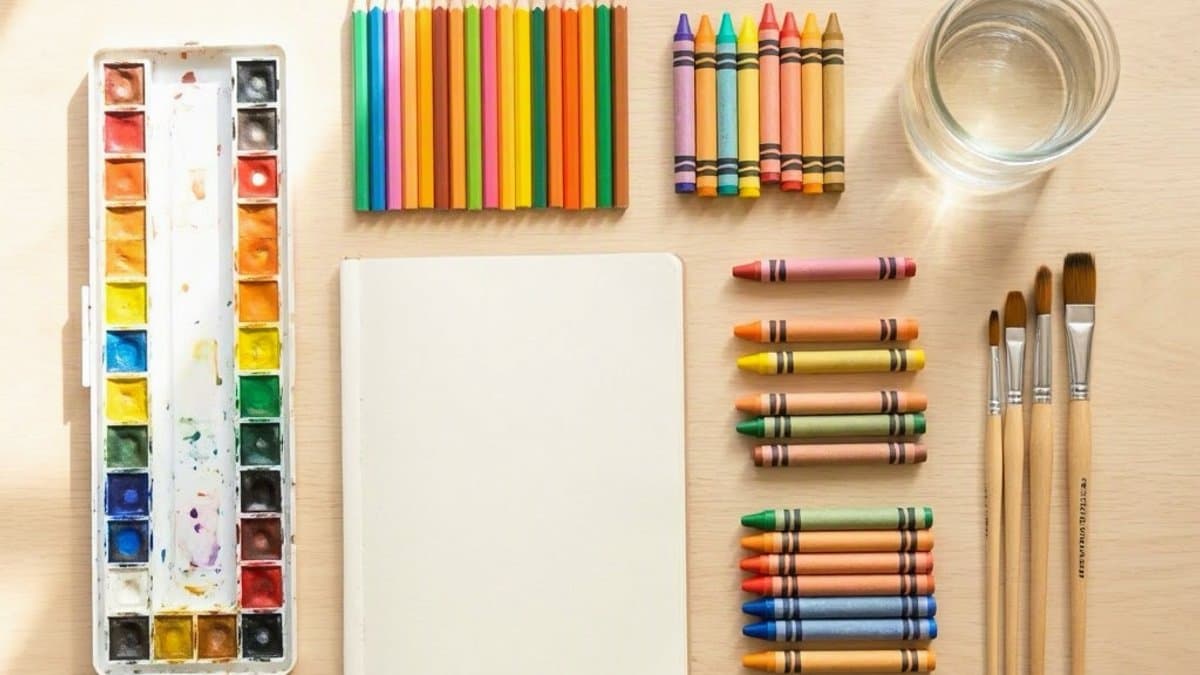
Most process art for toddlers uses the same core materials:
- Washable liquid tempera paint
- Large paper (butcher paper, newsprint, or the back of wrapping paper)
- Painter's tape (to secure paper to surfaces)
- Chunky brushes, sponges, and rollers
- Non-toxic glue sticks and liquid glue
- Playdough (homemade is ideal — see our playdough recipes)
- Smocks or old t-shirts
- A splat mat or shower curtain for floor protection
Follow the Toddler's Lead
Your job is to set up the invitation and then step back. Resist the urge to direct, demonstrate, or "fix" what they are doing. If they want to paint their arm instead of the paper, that is process art. If they spend twenty minutes just squeezing the glue bottle, that is process art too.
20 Process Art Ideas for Toddlers
Painting Activities
1. Finger Painting on a Tray
Ages: 12 months and up Materials: Washable finger paint or yogurt mixed with food coloring, a highchair tray or cookie sheet
Squirt two or three colors directly onto the tray. Let your toddler swirl, smear, and mix with their hands. Place a piece of paper on top and press down to create a print if you want to preserve it. This is one of the most satisfying first art experiences because there are zero tools to manage — just hands and color.
2. Painting with Unusual Tools
Ages: 15 months and up Materials: Tempera paint, paper, plus any of these tools — a fork, a potato masher, a flyswatter, a pine cone, a ball, a toy car, crumpled foil
Dip the object in paint and press, drag, or roll it across the paper. Toddlers love seeing the patterns that different objects create. Rotate the tools regularly to keep the activity fresh. This connects well to nature art projects when you use found objects from outdoors.
3. Cotton Ball Dabbing
Ages: 15 months and up Materials: Cotton balls, clothespins, paint in muffin tin cups, paper
Clip cotton balls into clothespins to make easy-grip stampers. Dip and dab onto paper. The clothespin grip is excellent pre-writing practice, and the soft cotton creates a satisfying fluffy texture on the page.
4. Roller Painting
Ages: 18 months and up Materials: Small foam paint rollers or brayers, paint in shallow trays, large paper
Pour thin layers of paint into trays or plates. Let your toddler roll the roller through the paint and across the paper. The back-and-forth motion is soothing and rhythmic, and the wide coverage feels satisfying — a small child covering an entire sheet of paper in seconds is quite empowering.
5. Spray Bottle Painting
Ages: 2 years and up Materials: Small spray bottles filled with diluted liquid watercolors, large paper or fabric
Hang paper on a fence or easel, or lay it flat outside. Let your toddler spray color onto it. Squeezing the spray trigger is a fantastic hand-strength exercise, and the dripping, blending effect is beautiful. This is best done outdoors.
6. Painting on Unusual Surfaces
Ages: 18 months and up Materials: Paint plus cardboard boxes, foil, wax paper, wood scraps, rocks, or fabric
Swap out the standard paper for something unexpected. A large cardboard box becomes a canvas they can paint inside. Foil reflects light through the paint. Rocks become painted treasures. The novelty of different surfaces re-engages a toddler who might be bored with paper.
Stamping and Printing
7. Vegetable Stamps
Ages: 18 months and up Materials: Halved fruits and vegetables (bell pepper, apple, celery bunch, corn cob), paint, paper
Cut produce in half and dip the cut side into paint. Press onto paper. Each vegetable leaves a unique print — a bell pepper creates a flower-like shape, a celery bunch makes a rose pattern, and a corn cob rolls textured lines. This is particularly fun as a seasonal activity using produce from the garden or farmers market.
8. Bubble Wrap Stomp Painting
Ages: 12 months and up Materials: Bubble wrap, painter's tape, washable paint, large paper
Tape a sheet of bubble wrap to the floor, paint side up (spread paint across the bubbles with a roller or brush first). Lay paper on top and let your toddler walk, stomp, or crawl across it. Lift the paper to reveal the print. The combination of popping bubbles and making art is irresistible.
9. Sponge Stamping
Ages: 15 months and up Materials: Kitchen sponges cut into simple shapes, paint, paper
Cut sponges into circles, squares, triangles, or other basic shapes. Dip and stamp. Toddlers can grasp sponge pieces easily, and the absorbent material picks up paint well. There is no pressure to create a pattern — random stamping is the whole point.
Collage and Tearing
10. Tear-and-Stick Collage
Ages: 18 months and up Materials: Tissue paper, construction paper scraps, magazine pages, glue stick or contact paper
For younger toddlers, use clear contact paper (sticky side up, taped to the table) as the base — they can press materials onto it without needing to manage glue. Older toddlers can use a glue stick on cardstock. Let them tear paper freely and stick it wherever they choose. The tearing motion is a valuable fine motor exercise.
11. Nature Collage
Ages: 18 months and up Materials: Collected nature items (leaves, flower petals, small sticks, seeds), glue or contact paper, cardstock
Take a nature walk first to collect materials — this extends the activity into an outdoor exploration. Back home, let your toddler arrange and stick their findings onto paper. This pairs perfectly with a seasonal nature table where you display collections from different times of year.
12. Sticker Exploration
Ages: 15 months and up Materials: Sheets of stickers (large dot stickers work best for small hands), paper
Peeling and placing stickers is a surprisingly challenging fine motor task for toddlers. Start with large round dot stickers, which are easier to peel. Offer a piece of paper and let them cover it however they wish. No patterns required — a paper densely covered in overlapping stickers is a masterpiece of persistence.
Sensory Art
13. Taste-Safe Edible Paint
Ages: 12 months and up (especially for babies who mouth everything) Materials: Plain yogurt mixed with food coloring, or mashed fruit (blueberries, beets, spinach) as paint, paper or a tray
For the youngest toddlers who still put everything in their mouths, edible paint eliminates the safety worry entirely. The texture is different from standard paint, which adds a sensory dimension. Use thick paper or just let them explore on the tray surface.
14. Ice Painting
Ages: 15 months and up Materials: Large ice cubes or popsicles made from liquid watercolors or food-colored water, thick paper
Freeze liquid watercolors or food-colored water into ice cube trays (insert a popsicle stick for easy gripping). Let your toddler "paint" with the melting ice on thick paper. The cold temperature, the melting process, and the color spreading are all fascinating sensory elements. This is particularly refreshing as a summer activity.
15. Shaving Cream Swirl (Ages 2+)
Ages: 2 years and up (supervise closely — not taste-safe) Materials: Shaving cream, food coloring or liquid watercolors, a tray, a scraper
Spread shaving cream on a tray. Drop colors on top. Let your toddler swirl with their hands, a fork, or a stick. To make a marbled print, lay paper on top, press gently, and scrape off the excess cream. The sensory experience of the cream — its texture, temperature, and fluffiness — is the real activity. The print is a bonus.
16. Sand and Glue Texture Art
Ages: 2 years and up Materials: Liquid glue in a squeeze bottle, sand, paper, a tray to catch overflow
Squeeze glue onto paper in any pattern, then sprinkle sand over the top. Shake off the excess. The result is a raised, textured surface that the child can feel after it dries. Add color by mixing paint into the sand beforehand. This introduces concepts of texture and dimension.
Dough and Sculpture
17. Playdough Exploration Station
Ages: 15 months and up Materials: Homemade playdough, loose parts for poking and imprinting (buttons, shells, sticks, cookie cutters, rolling pin)
Set out a ball of fresh homemade playdough with a rotating selection of tools and loose parts. The toddler squishes, rolls, pokes, and imprints without any goal other than exploration. Add natural materials like acorns and pine needles for a nature-inspired invitation. The aromatherapy of freshly made lavender or cinnamon playdough adds another sensory layer.
18. Clay Pinch and Poke
Ages: 2 years and up Materials: Air-dry clay, nature items for imprinting, simple tools (plastic knife, rolling pin, fork)
Give your toddler a small ball of air-dry clay and let them shape it however they want. Pressing leaves, shells, or pine cones into the surface creates beautiful imprints. Unlike playdough, the finished pieces harden and can be painted later — turning this into a two-session activity.
Drawing and Mark-Making
19. Chunky Crayon Scribble
Ages: 12 months and up Materials: Chunky beeswax crayons (block or stick shape), large paper taped to the table
Tape a large piece of paper to the table so it does not slide. Offer two or three chunky crayons. That is it. The toddler scribbles. This is the foundation of all future writing and drawing. Block-shaped crayons (like Stockmar blocks) are easiest for very young children to grip, while chubby stick crayons suit the 18-month-and-up crowd. These pair naturally with the handwork sensibilities of a Waldorf approach.
20. Chalk on Wet Paper
Ages: 18 months and up Materials: Sidewalk chalk or thick chalk sticks, dark construction paper sprayed with water
Spray dark paper (black, navy, or brown) with water until damp. Let your toddler draw on it with chalk. The wet surface makes the chalk colors appear vivid and saturated — a dramatic visual effect that fascinates young children. This also works wonderfully as an outdoor activity on a damp patio or sidewalk.
How to Encourage Without Directing
The hardest part of process art for many adults is stepping back. Here are phrases to use instead of "What are you making?" or "That's a beautiful flower!"
Comment on What You See
- "You are using a lot of blue today."
- "I notice you are making circles."
- "You mixed the red and yellow together."
Comment on Effort and Process
- "You worked on that for a long time."
- "You tried a new way to hold the brush."
- "You really covered the whole paper."
Ask Open-Ended Questions (Sparingly)
- "Tell me about your painting."
- "What does that feel like?"
- "What happened when you mixed those?"
Avoid asking "What is it?" — because it might not be anything, and the question implies that it should be.
Displaying and Preserving Process Art
Process art does not always produce something worth framing, and that is fine. But when your toddler creates something you want to keep:
- Photograph it — a photo album of their art journey takes up no space and shows growth over time
- Rotate a display — hang three or four recent pieces on a low line with clothespins, rotating regularly
- Gift it — grandparents treasure process art precisely because it is authentic
- Let it go — not every piece needs to be saved, and that is an important lesson about creating for the joy of it rather than for the product
Building an Art Routine
You do not need to set up elaborate invitations every day. A simple art routine might look like:
- Monday: Painting (rotate the tool or surface)
- Wednesday: Dough or clay
- Friday: Collage or drawing
Keep supplies in a low, accessible spot so your toddler can initiate art independently as they grow. A small shelf with a few crayons, paper, and playdough — set up the way you might organize a busy board station — invites creative play without requiring your constant setup.
The goal is not to produce art. The goal is to raise a child who feels confident exploring materials, expressing ideas, and experimenting without fear of doing it wrong. Every swirl of paint, every torn piece of paper, every smashed ball of dough is building that foundation.
Frequently Asked Questions
- What is process art for toddlers?
- Process art is any art activity where the focus is on the experience of creating rather than producing a specific finished product. There are no step-by-step instructions, no models to copy, and no 'right' way to complete the activity. For toddlers, process art typically involves sensory-rich materials like paint, dough, collage supplies, and natural materials that they can explore freely.
- At what age can toddlers start doing process art?
- Toddlers can begin process art as early as 12 months with taste-safe materials like yogurt paint, cooked pasta, and edible finger paint. By 18 months, most children can use chunky crayons, stamp with objects, and explore playdough. By age 2-3, they are ready for liquid paint with brushes, glue and collage, and more complex sensory materials.
- How is process art different from craft projects?
- Craft projects have a predetermined outcome — every child's finished piece looks roughly the same because they follow step-by-step directions. Process art has no predetermined outcome. The child decides what to do with the materials, and every result looks different. Crafts teach following instructions; process art develops creativity, sensory processing, fine motor skills, and self-expression.
- How do I set up process art without making a huge mess?
- Use a designated art space with easy cleanup: tape paper to a highchair tray, use a splat mat on the floor, set up a low table in the kitchen, or take art outdoors. Dress your toddler in a smock or old clothes. Limit the number of materials offered at once. Embrace that some mess is part of the learning — but strategic setup keeps it manageable.
Enjoying this article?
Get more ideas like this delivered to your inbox every week.