Best Playhouses and Backyard Forts for Kids (2026 Buying Guide)
The best playhouses, forts, and outdoor shelters for kids — wooden playhouses, plastic cottages, teepees, climbing forts, and DIY options. What's worth the money and what to skip.
By The Slow Childhood
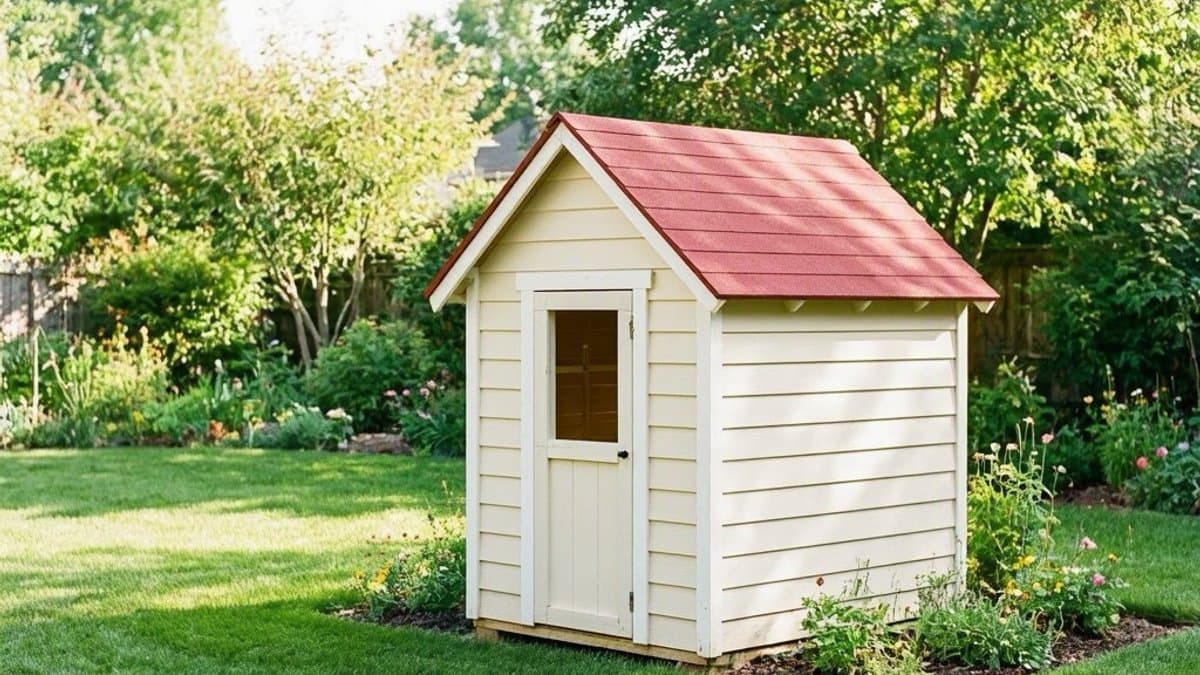
A playhouse transforms a backyard. It becomes the anchor for imaginative play — a post office, a pirate ship, a pizzeria, a witch's cottage, a coffee shop, a fire station, or whatever the child's current obsession happens to be. Children who have a dedicated outdoor space they consider their own spend dramatically more time outdoors than children who do not. The return on investment for a good playhouse, measured in hours of self-directed outdoor play across a childhood, is extraordinary.
But not all playhouses are created equal. A cheap plastic playhouse can be a great entry-level purchase, while a wooden Cedar Summit can serve three children across 15 years. The right choice depends on your budget, yard, and how long you plan to stay in your home.
Best Wooden Playhouses
Wooden playhouses are the premium category. They look like real buildings, age beautifully, and often become a beloved feature of the home that buyers ask about years later.
Outdoor Wooden Playhouses to Consider
Cedar Summit by KidKraft
KidKraft Cedar Summit offers some of the best wooden playhouses in the mid-premium range. They use real cedar construction, come in attractive cottage-style designs, and include details like working shutters, flower boxes, and doorbells.
Pros:
- Real cedar wood construction
- Attractive designs that fit well in most yards
- Includes charming details (shutters, doorbells, flower boxes)
- Durable for 10+ years with minimal maintenance
- Strong resale value
Cons:
- Assembly is substantial (often 8-12 hours for two adults)
- Price range $600-1500 depending on model
- May require reinforcement in certain climates
Best for: Families wanting a beautiful, durable wooden playhouse that can serve multiple children.
KidKraft Modern Outdoor Playhouse
KidKraft Modern takes a contemporary design approach with clean lines and a more architectural aesthetic. It fits well with modern homes and landscape designs.
Best for: Modern-design families who find traditional cottage playhouses too cutesy.
Little Tikes Build-and-Grow Wooden Playhouse
Little Tikes Build-and-Grow is Little Tikes' wooden line. It is more affordable than Cedar Summit but less detailed in design.
Best for: Budget-conscious families wanting wood construction under $500.
Best Plastic Playhouses
Plastic playhouses are the budget and ease-of-assembly champions. For families who rent, who are not sure how long they will stay in their home, or who want something quick and simple, plastic is often the right choice.
Little Tikes Cape Cottage
The Little Tikes Cape Cottage is the classic plastic playhouse. Generations of children have grown up with some version of this design. It is sturdy, weather-resistant, easy to assemble, and has working doors with a Dutch door top.
Pros:
- Affordable (around $300-400)
- Easy assembly (2-3 hours)
- Weather-resistant
- Durable within the plastic playhouse category
- Holds resale value surprisingly well
Cons:
- Plastic aesthetic
- 5-7 year lifespan typical
- UV can fade colors over time
Best for: Families wanting a reliable, affordable plastic playhouse with proven longevity.
Step2 Neat & Tidy Cottage
The Step2 Neat & Tidy Cottage is similar to Little Tikes in philosophy but with slightly different aesthetic choices. Step2 tends toward more muted, slightly more sophisticated color palettes.
Best for: Families who prefer Step2's aesthetic over Little Tikes.
Smoby Friends House
The Smoby Friends House is a European-style plastic playhouse with more modern, architectural lines than American-style cottage playhouses.
Best for: Families who want a modern design without going to the wooden playhouse price range.
Best Teepees and Fabric Structures
For families with limited yard space, flexible needs, or who want an easily-moved play structure, fabric teepees and tents offer a good middle ground.
Asweets Kids Teepee Tent
The Asweets Kids Teepee Tent provides a classic teepee shape with durable wooden poles and cotton canvas walls. It works outdoors in good weather and indoors year-round.
Pros:
- Portable — can move between indoors and outdoors
- Relatively affordable ($80-150)
- Easy to set up and break down
- Works in small spaces
- Matches most home aesthetics
Cons:
- Not waterproof for serious outdoor use
- Less durable than built structures
- Smaller interior than a full playhouse
Best for: Families wanting an adaptable indoor/outdoor play structure.
Little Dove Kids Play Tent
The Little Dove Play Tent is similar to Asweets with slightly different design variations. Both brands offer quality at similar price points.
Best for: Same use case as Asweets — a question of which design you prefer.
Woolf & Sage Teepee
Woolf & Sage Teepees are premium cotton canvas teepees with a more elevated aesthetic. They cost more but look beautiful in a children's room or beside a garden.
Best for: Design-conscious families willing to pay for a premium fabric structure.
Best Climbing Forts and Outdoor Playsets with Forts
For families wanting a playhouse-plus-playground combination, climbing forts with attached play structures offer the most play value per square foot of yard.
Gorilla Playsets Chateau Tower
The Gorilla Playsets Chateau Tower combines a raised clubhouse/fort with climbing features, a slide, and often swings. Children get both the enclosed play space of a playhouse and the active climbing play of a playset.
Pros:
- Combines multiple play types (climbing, sliding, imaginative)
- Raised fort creates genuine excitement and adventure
- High quality cedar construction
- Can accommodate multiple children playing simultaneously
- Long lifespan (10+ years)
Cons:
- Expensive ($1500-4000 depending on configuration)
- Significant installation effort
- Requires substantial yard space
- Permanent decision (difficult to move or remove)
Best for: Families with ample yard space investing in long-term outdoor play.
Backyard Discovery Playsets
Backyard Discovery offers cedar playsets across a wide range of sizes and prices. They are the most common brand sold at Costco and home improvement stores.
Best for: Mid-range playset buyers balancing features, quality, and price.
Best DIY Playhouse Options
For handy families, building a playhouse from scratch or from a kit offers the most customization and often the best value.
Pallet Wood Playhouse Plans
Free or inexpensive playhouse plans are widely available online. A pallet wood playhouse can be built for under $200 if you have basic tools and some building experience.
Best for: Handy families who enjoy building projects.
Backyard Discovery Kit Playhouses
Some Backyard Discovery products come as kits rather than fully-assembled playhouses. Kits are more affordable than pre-built options and give you more control over placement.
Best for: Families who want wood but need lower cost and are comfortable with assembly.
Indoor Playhouse Options
Ikea KURA Bed Conversions
The Ikea KURA reversible bed ($200) can be configured as a loft bed with play space underneath, effectively creating an indoor playhouse below the child's bed. Many families find ways to turn the under-bed space into reading nooks, pretend kitchens, or quiet retreats.
Best for: Families wanting to maximize bedroom space with dual-function furniture.
Indoor Teepees
The teepees listed above (Asweets, Little Dove) work beautifully indoors. For families with dedicated playrooms or flexible living spaces, an indoor teepee creates a magical reading or imaginative play corner.
Play Tent Tunnels
For younger children, play tent and tunnel systems combine tents, tunnels, and sometimes ball pits into modular indoor play systems. Great for ages 2-5 but often outgrown by 6.
Playhouse Accessories Worth Adding
Play Kitchen Accessories
A play kitchen set inside a playhouse transforms it into a restaurant or home scenario. This extends play for years.
Chalk and Chalkboards
A small chalkboard mounted inside a playhouse becomes a menu board, school blackboard, or art center depending on the current pretend scenario. Melissa & Doug Chalkboard options work well.
Dress-Up Clothes
A small rack with dress-up clothes accessible inside or beside the playhouse transforms pretend play. Children spend more time in character when costumes are immediately available.
Solar Lights
Small solar-powered string lights inside a playhouse create magical evening play spaces. Children love having "their own" lighted house.
Placement and Setup Tips
Consider sight lines. Place the playhouse where you can see it from a common area — kitchen, family room, deck. Children will play in it more when they know an adult is roughly aware, and you will have peace of mind.
Near shade if possible. A playhouse in full sun becomes unbearable in summer. Placement near a tree or with structured shade extends the usable season dramatically.
Level ground matters. Spend the time or money to level the ground or add a foundation. Unlevel playhouses degrade faster and feel less solid.
Leave space around it. Don't put the playhouse tight against a fence or wall. Space around the structure allows for creative play extensions and easier maintenance.
Plan for growth. A playhouse sized for a 3-year-old may feel small by 8. Budget-friendly playhouses sometimes do not grow well with children. Wooden playhouses with larger interiors typically serve children longer.
For more outdoor play ideas, see our guides to backyard games, fort building ideas, and outdoor toys for active play.
A playhouse is one of those purchases that seems optional when you are buying it and irreplaceable after you have it. Choose based on your yard, budget, and timeline — any of the options above, used well, can become the backyard centerpiece that makes your children want to be outside every day.
Frequently Asked Questions
- What age is a playhouse best for?
- Playhouses work for children ages 2-10, with the sweet spot being ages 3-8. Toddlers love the enclosed space and imaginative possibilities, preschoolers and early elementary children use them for extended pretend play, and older children often convert them into clubhouses or reading nooks. A well-built wooden playhouse can serve an entire childhood, often through multiple siblings. The age range is one of the best arguments for investing in quality over the cheapest option.
- Wooden or plastic playhouse — which is better?
- Wooden playhouses are significantly more durable, age better, look nicer, and have higher resale value — but they cost 2-3x more and require more installation effort. Plastic playhouses (like Little Tikes) are weather-resistant, easy to assemble, and often more affordable, but they typically last 3-5 years before the plastic degrades in UV light. If you can afford wood and have the installation capacity, wood is the better long-term investment. If budget or time is limited, quality plastic playhouses still provide years of great play.
- Do playhouses need a foundation?
- Small plastic playhouses can sit directly on grass, though they do better on a level surface like pavers, rubber mulch, or a low deck. Wooden playhouses benefit enormously from a proper foundation — either a concrete pad, a gravel base, or a raised wooden deck. A foundation prevents rot, keeps the floor level, and dramatically extends the structure's lifespan. Plan for the foundation cost when budgeting for a wooden playhouse.
- Are indoor playhouses worth it?
- Indoor play tents and fabric playhouses work well for children who have limited outdoor space, who live in extreme climates, or who want imaginative play options year-round. They typically cost $50-150 and can be stored or moved relatively easily. Structured indoor playhouses (like Ikea KURA beds or built-in reading nooks) are more permanent but can be wonderful focal points of a kids room. The main trade-off is that indoor playhouses do not provide the full backyard play experience.
Enjoying this article?
Get more ideas like this delivered to your inbox every week.