The Ultimate Kids' Gift Guide by Age and Occasion (Birthdays to Holidays)
A complete, age-by-age gift guide for kids from toddler to tween — open-ended, screen-free, developmental toys, books, and supplies, plus a framework for choosing gifts that actually last.
By The Slow Childhood
There is a particular kind of dread that comes with buying a gift for a child. You want it to land. You want their face to light up. And you do not want it to be the thing that gets played with for nine minutes on the morning of the birthday and then migrates, forever, to the bottom of a bin. After years of buying, testing, and quietly removing toys from our own home, we have developed strong opinions about what actually earns its place — and what to skip no matter how loudly it is marketed.
This is the gift guide we wish someone had handed us at the start. It is organized by age band so you can jump straight to the kid you are shopping for, and it ends with a section on choosing by occasion, because a birthday gift, a holiday gift, and a "just because" gift are genuinely different jobs. Everything here leans toward the same philosophy: fewer, better, open-ended things that grow with the child rather than entertain them for an afternoon.
The One Rule That Matters Most
Before any specific recommendation, here is the single principle that should guide every purchase: the best toys do 10 percent of the work and let the child do 90 percent. A toy that sings, lights up, and runs through its routine on its own gives the child nothing to do but watch. A basket of wooden blocks does almost nothing on its own, which is exactly why a child will build with it a thousand different ways across seven years.
When you are standing in a store or scrolling a cart, ask three questions:
- Can it be played with more than one way? Open-ended beats single-purpose every time.
- Will it still make sense in two or three years? The best gifts grow with the child.
- Does the child do the work, or does the toy? You want the child doing the work.
If a gift passes all three, buy it with confidence. If it fails all three, it is destined for the donation pile no matter how excited everyone is on day one. For the deeper case on why this matters, our piece on screen-time alternatives that actually stick covers the developmental research behind the philosophy.
Quick Reference: Best Gift by Age and Budget
| Age band | Under $25 | $25–60 (sweet spot) | Splurge / lasts years |
|---|---|---|---|
| 12–24 months | Wooden stacking rings | Large wooden blocks | Pikler-style climbing triangle |
| 2–4 years | Play silks / scarves | Wooden train set | DUPLO classic brick box |
| 4–6 years | Watercolor & paper kit | Magnetic tiles starter | Classic building brick box |
| 6–9 years | Card / board game | Marble run set | Microscope or science kit |
| 9–12 years | Great book series | Building / Technic set | Real beginner camera or telescope |
Use this as a map, not a rulebook. The "sweet spot" column is where most birthday and holiday budgets should live — substantial enough to last, modest enough to give more than once.
Ages 12–24 Months: The Toddler
Toddlers do not need much, and they need it to be simple, sturdy, and safe to mouth. This is the age where parents are most tempted by flashy electronic toys, and almost the worst age to buy them. A one-year-old learns from grasping, banging, stacking, filling, and dumping — not from pressing a button that does the thinking for them.
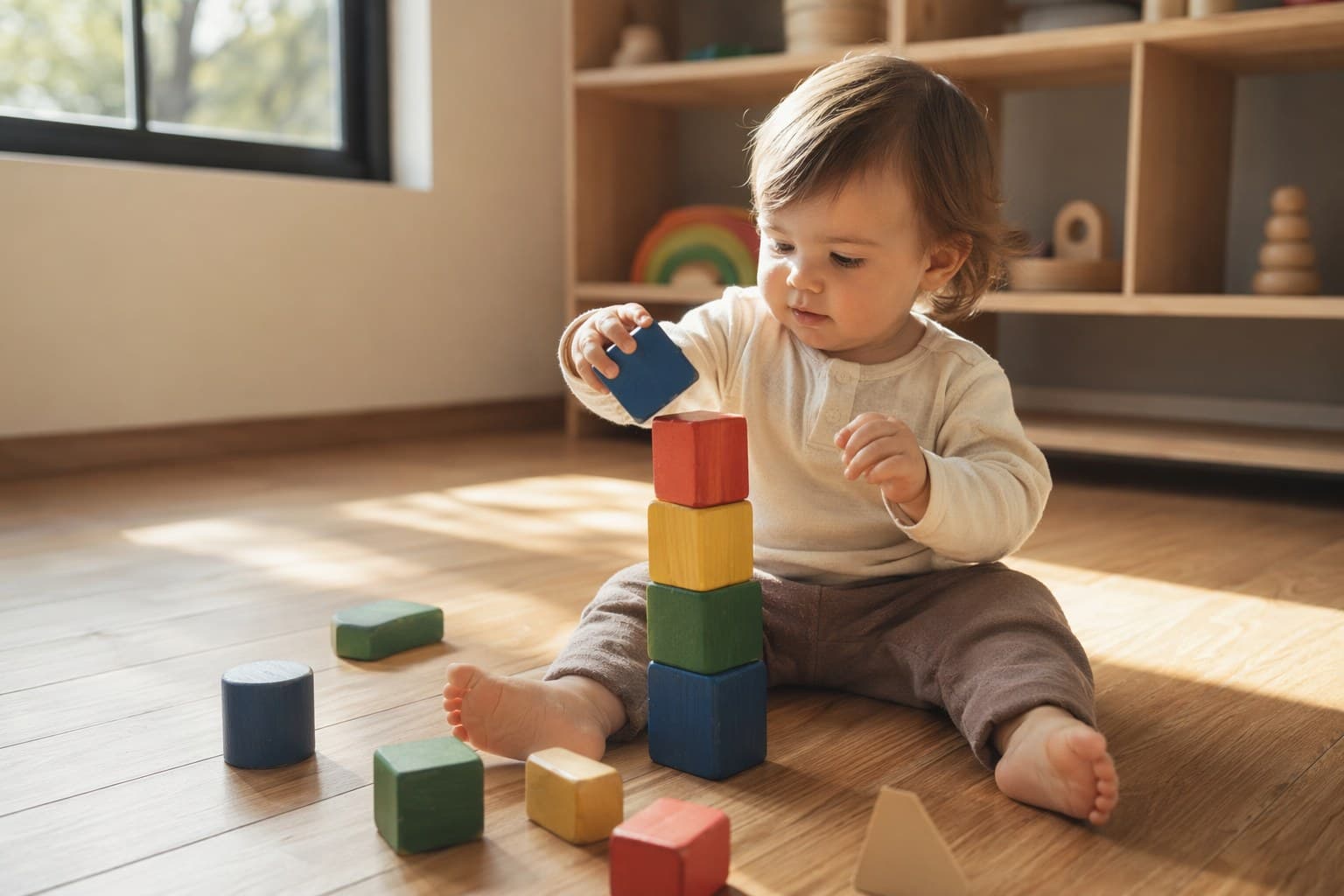
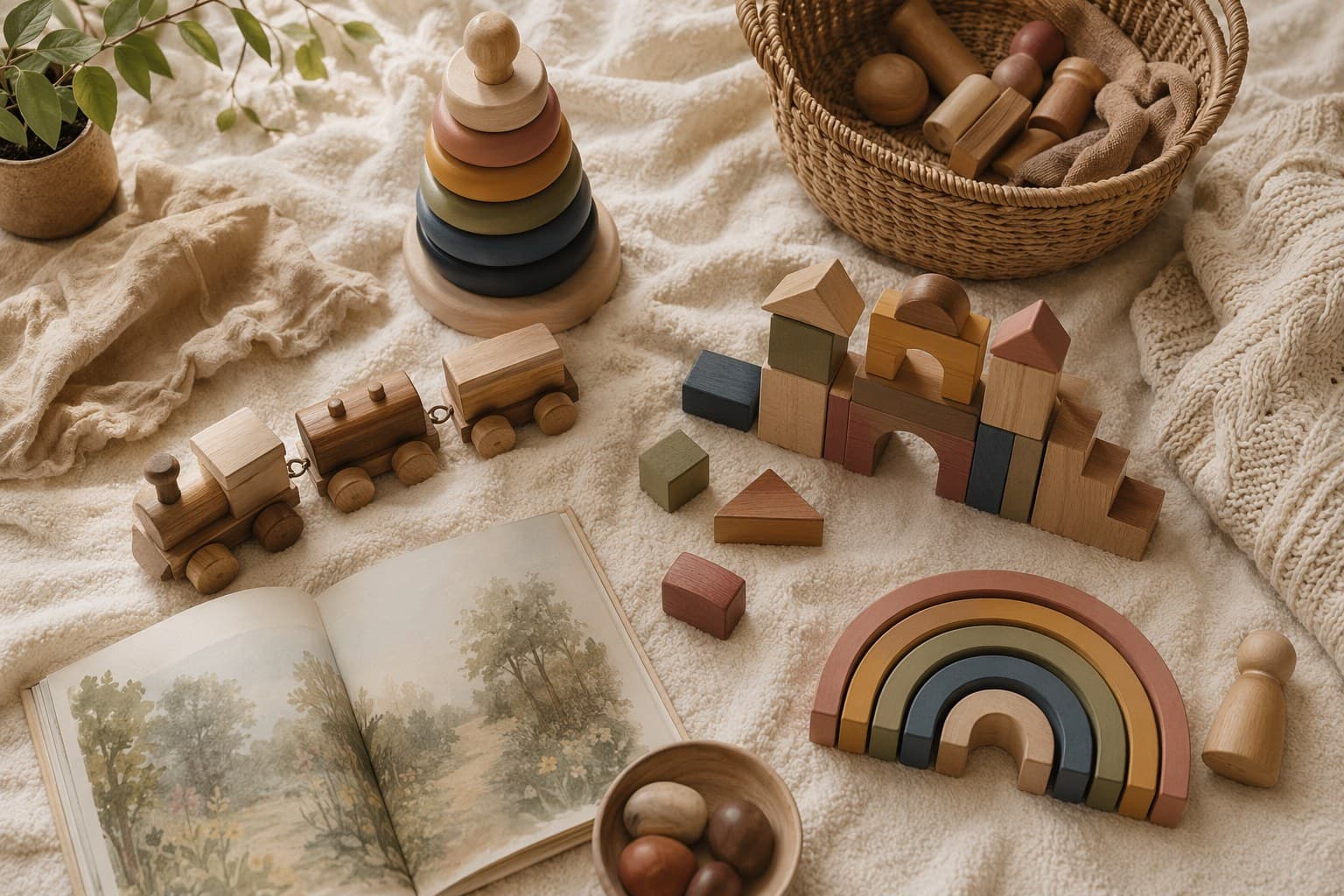
The gifts that earn their place at this age are deceptively plain. A set of wooden stacking and nesting toys teaches size ordering, cause and effect, and the deep toddler joy of putting things in and taking them back out. A basket of large wooden building blocks will outlast the entire childhood. And open-ended wooden toys in general are the strongest possible foundation — our full breakdown lives in the guide to the best wooden toys for toddlers.
For movement, a push wagon or sturdy ride-on supports the gross-motor explosion happening at this age. If you want one "wow" gift that lasts for years, a climbing triangle is worth the splurge.
Skip: anything with a screen, anything that does the playing for the child, and the giant plastic activity tables that beep. They are loud, they break, and toddlers tire of them within weeks.
Ages 2–4 Years: The Preschooler
This is when imagination switches on. A two-year-old will narrate a whole world over a single toy car; a four-year-old will run a restaurant, a vet clinic, and a rocket launch before lunch. The right gifts feed that pretend play and give it props without scripting it.
A wooden train set is the classic for good reason — it is part building toy, part imaginative world, and it expands forever (see our deep dive on the best train sets for kids). A play kitchen and food set is one of the highest-mileage gifts you can give at this age, used daily by kids of every gender and personality; we compare options in our pretend-play kitchen guide. And a simple set of play silks or scarves becomes capes, rivers, blankets, tents, and oceans — the cheapest open-ended gift on this entire list and one of the best.
For the builder, this is also the age to introduce DUPLO, the toddler-safe big-brick version of LEGO; our full age-by-age path is in the best LEGO sets by age.
Skip: licensed-character plastic that ties play to a single TV show. It dates fast and narrows imagination instead of widening it.
Ages 4–6 Years: The Builder and Maker
Now the hands are ready for real making. Fine-motor control has caught up to ambition, and kids this age want to build, draw, cut, and create things they can show off. This is the single best age to give materials rather than toys.
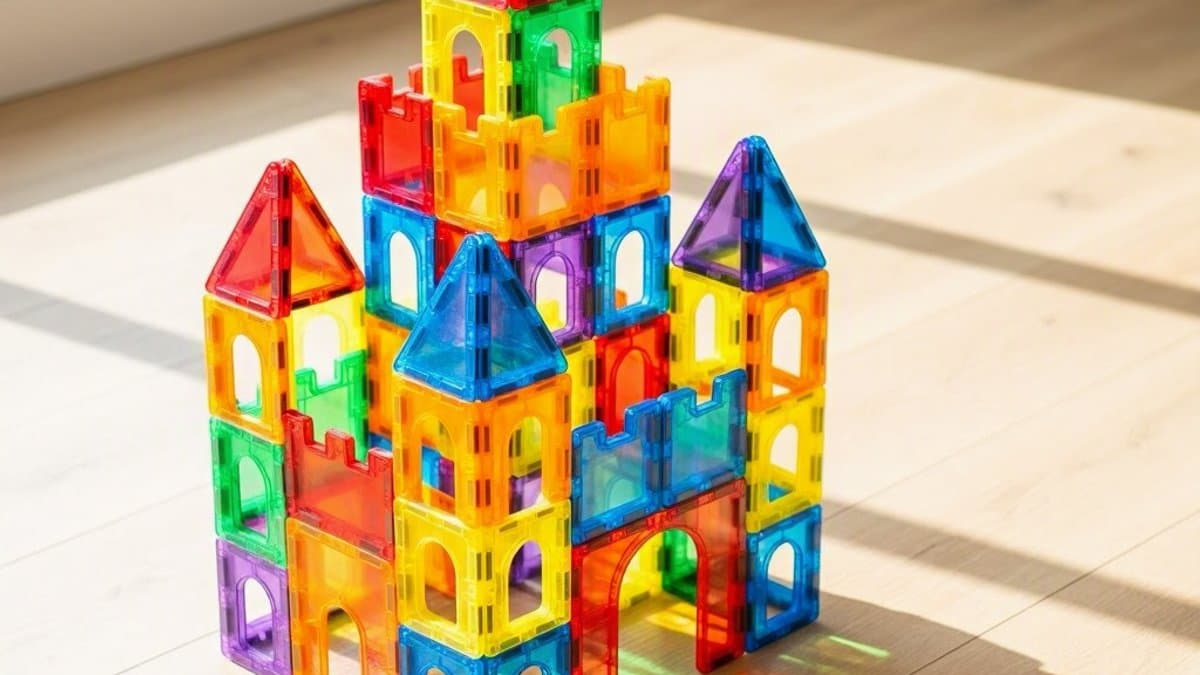
Top of the list: magnetic tiles. They are open-ended, they grow from age 3 through 10-plus, and they develop spatial reasoning, symmetry, and engineering intuition through pure play. We compared every major brand head-to-head in our magnetic tiles buying guide — the short version is buy quality and buy enough of them.
This is also the age where a proper art supply set becomes a transformative gift. Real materials, not a flimsy "activity kit" — good crayons, washable paint, quality paper, and child-safe scissors. Our best art supplies for kids guide breaks down what is worth buying. Pair it with a tabletop or standing easel and you have created a daily creative habit, not just a present.
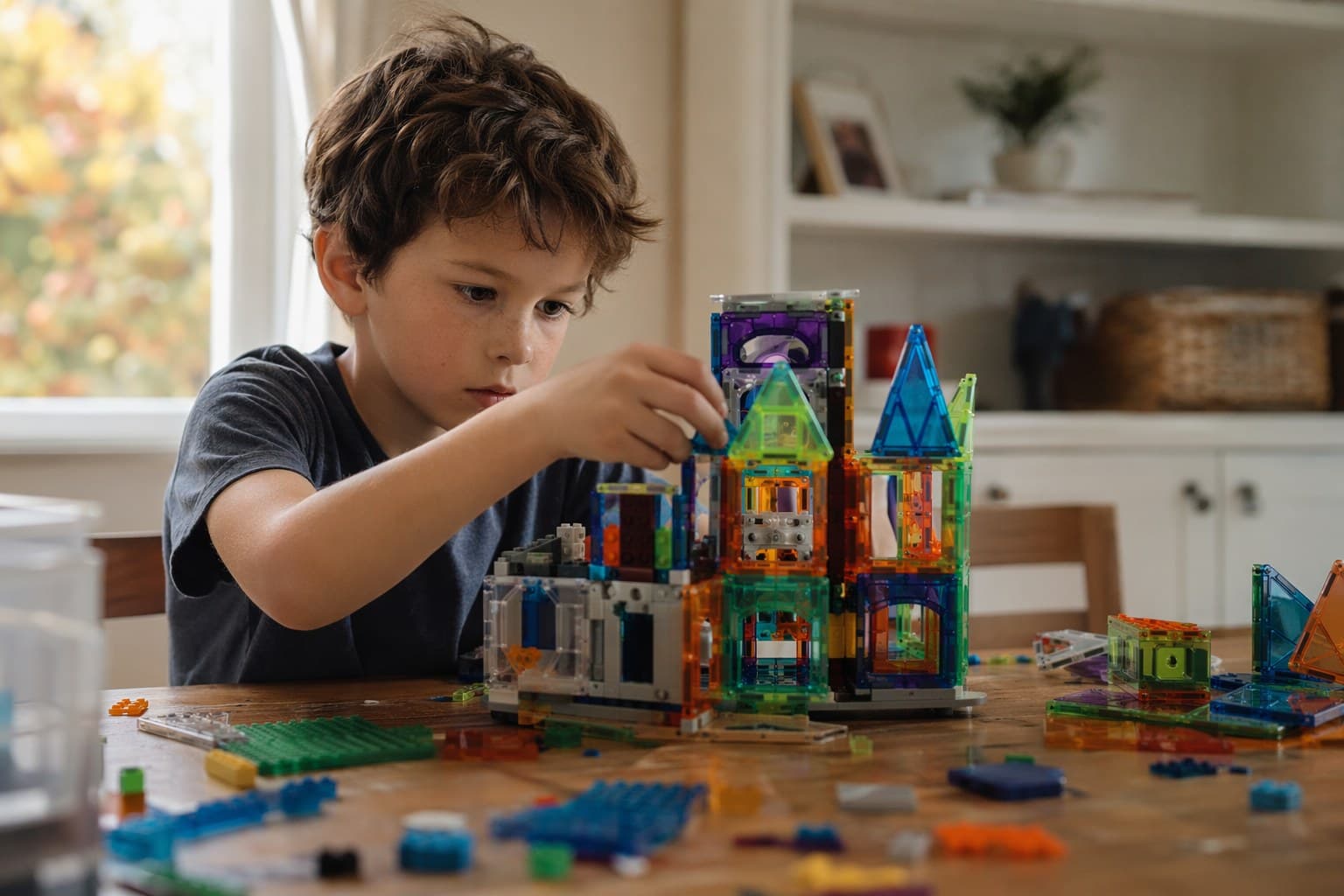
Skip: "STEM" toys that are really just one-trick plastic gadgets with a science sticker on the box. Real open-ended building does more for STEM thinking than most things marketed as STEM.
Ages 6–9 Years: The School-Ager
School-age kids can sustain attention, follow multi-step instructions, and feel real pride in completing something hard. Gifts can finally have a challenge curve. This is the age to give things that reward persistence.
A marble run set is a perfect match — it is engineering disguised as play, with instant feedback every time a marble does or does not make it down. We cover the best modular systems in the best marble run sets. For the kid who wants to know how the world works, a beginner science experiment kit or a real kids' microscope delivers genuine wonder; our science experiment kits guide sorts the great from the gimmicky.
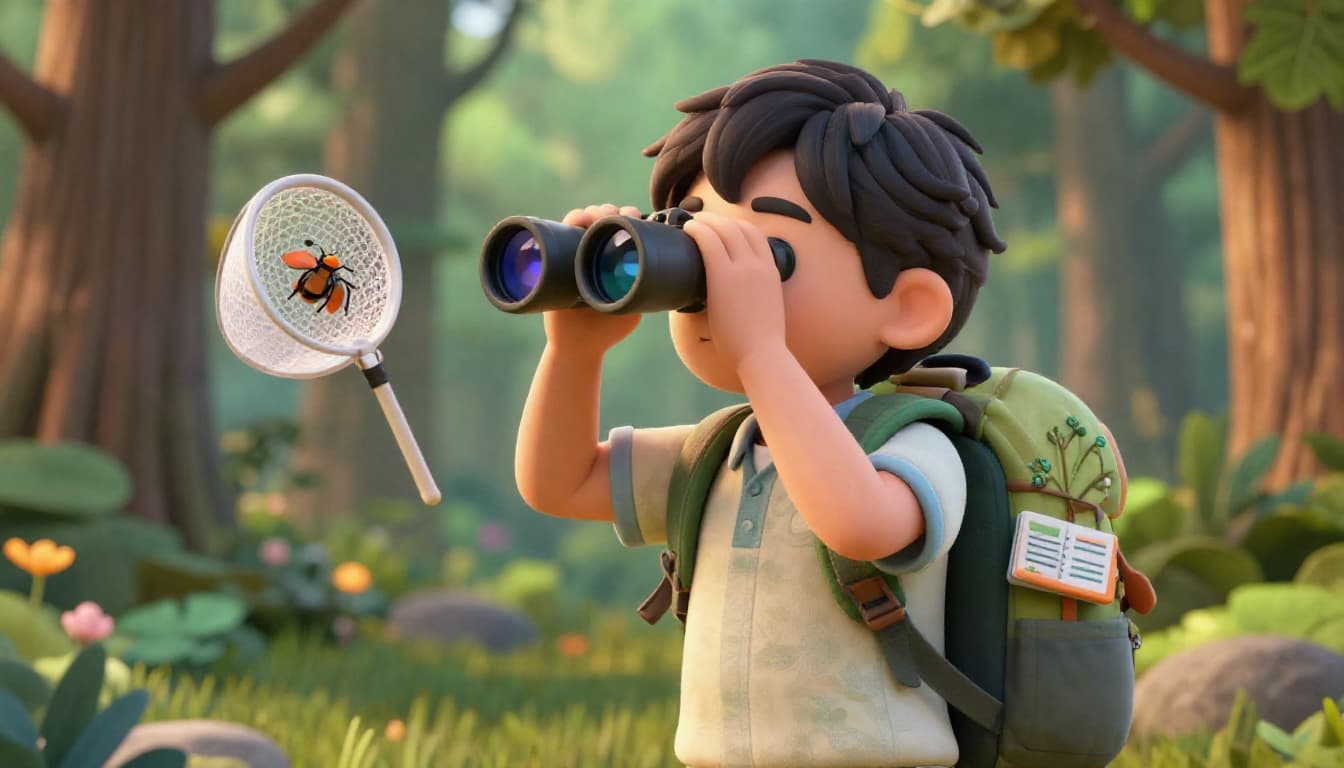
This is also the golden age for family games. A good cooperative or strategy board game is a gift to the whole household, not just the child — see our list of screen-free family board games. And do not underestimate a great outdoor gift: a quality exploration or bug-catching kit turns the backyard into a laboratory.
Skip: anything battery-dependent that breaks in a month, and the avalanche of small collectible plastic (the kind that arrives in blind bags and ends up underfoot).
Ages 9–12 Years: The Tween
The tween years are where gift-givers most often default to electronics — and where a thoughtful physical gift stands out most precisely because so few people give them anymore. Tweens are developing real interests and skills; the best gifts treat them like the capable, curious people they are becoming.
A great book series is one of the most underrated tween gifts there is — a series gives them somewhere to live for weeks, and it builds the reading habit that pays off for life. We make the case for this in building a screen-free reading culture. For the maker who has outgrown basic building, advanced building and Technic sets introduce real mechanical engineering.
This is also the age to give a "real tool" rather than a toy version of one — a beginner telescope, a starter camera, a sturdy pocketknife (with the right family), or quality art and craft supplies. A tween who receives a real tool feels trusted, and that feeling is half the gift. For the active tween, a quality bike or scooter supports the independence they are reaching for — our bikes and ride-ons guide helps with sizing.
Skip: the reflexive new screen. If a tablet or game console is genuinely the plan, that is a family decision rather than a surprise gift — and it should not crowd out the gifts that build skills, patience, and curiosity.
Choosing by Occasion
The same child needs different things from a gift depending on the occasion. Here is how we think about it.
Birthdays
A birthday is the moment for the "anchor" gift — the one larger, open-ended thing that the child will return to all year. This is where the magnetic tiles, the building set, the play kitchen, or the bike belong. Resist the urge to pile up quantity; one great anchor gift beats five small ones, and it teaches the child that gifts are special rather than constant. If you are throwing the party too, our screen-free birthday party ideas keep the whole day in the same spirit.
Holidays
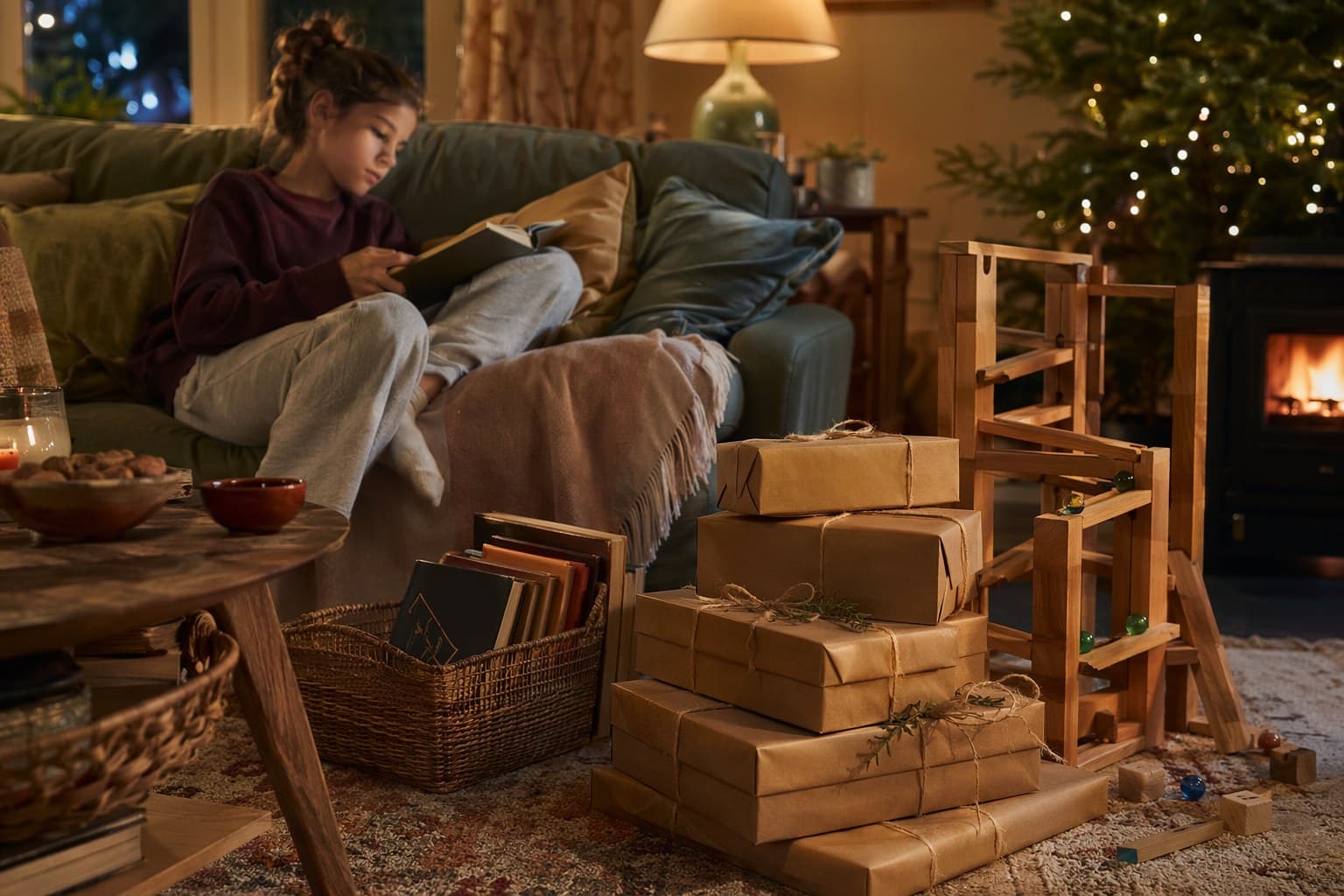
Holidays reward variety and tradition more than a single anchor. A great holiday mix is one slightly bigger open-ended gift, one book or book series, one consumable (art supplies, baking kit, craft materials), and one experience or "togetherness" gift like a board game. The consumable is the secret ingredient — it gets used up instead of adding to the pile, and it keeps the focus on doing rather than owning.
"Just Because" and Recovery-Day Gifts
For a sick day, a hard week, or a long trip, skip the object entirely. A new board game, a fresh sketchbook, or a craft kit you do together is the kind of gift that becomes a memory. The point is shared time, not stuff.
Gifts from Grandparents and Relatives
If you are guiding a generous relative who wants to spoil a child, steer them toward the splurge column of the table above — the climbing triangle, the big LEGO set, the telescope. These are the gifts most families cannot justify buying for themselves, which makes them the perfect thing for someone who wants to give big. A shared experience or an annual contribution toward something larger also beats a flood of small plastic.
The "Anti-Gift" List: What to Skip at Every Age
After years of culling our own home, a few categories consistently underperform regardless of age:
- Anything that does the playing for the child. If the toy performs and the child watches, it is a screen with extra steps.
- Single-show licensed plastic. It dates fast, narrows imagination, and rarely combines with anything else.
- Blind-bag collectibles. They teach acquiring over playing, and the pieces are everywhere within a day.
- "Educational" gadgets that drill. Open-ended materials teach more than apps and drill-toys dressed up as learning.
- Quantity for its own sake. A mountain of cheap gifts is less joyful — and less played-with — than a few great ones.
The kindest thing you can do for a child's play life, and for the adults who have to live in the house, is to give less and give better.
Frequently Asked Questions
How do I give "less" when a child is begging for a specific trendy toy? It is fine to honor a heartfelt want sometimes — a child who genuinely loves a thing should occasionally get it. The goal is balance, not deprivation. Make the trendy item one part of the mix, anchor the occasion with something open-ended, and let the lopsided ratio over a whole year tell the story. Most trendy wants fade; the blocks, books, and building sets stay.
What about secondhand gifts? Excellent, especially for the splurge categories. Quality wooden toys, building sets, and books hold up beautifully secondhand, cost a fraction, and keep good toys out of landfill. A complete used building set is a genuinely great gift — no child has ever cared whether the box was new.
Is it bad to give clothes or "boring" practical gifts? Not at all, particularly as kids get older. A great backpack, a real raincoat, a special water bottle, or art supplies are all gifts a kid actually uses. The trick is to choose something they would pick themselves — practical does not have to mean joyless.
The Bottom Line
The best children's gifts share a quiet quality: they sit there doing almost nothing until a child picks them up and brings them to life. That is the whole secret. Blocks, tiles, art supplies, books, a great game, a real tool — these are the things that get pulled out on a thousand ordinary afternoons long after the wrapping is gone. Spend your money there, give a little less than the catalogs tell you to, and trust the child to do the rest.
For more on building a home full of the kind of play that lasts, browse our guides to open-ended loose parts play and hands-on STEM activities for young kids. The best gift you can give, in the end, is the time and space for unhurried play — everything on this list is just an invitation to it.
Frequently Asked Questions
- How much should I spend on a kid's gift?
- There is no universal number, but the research on play is clear that fewer, better toys beat a pile of cheap ones. For most birthdays and holidays, one well-chosen open-ended gift in the $25-60 range will outlast and out-engage three or four $15 impulse toys. The cost that actually matters is cost per year of use. A $130 set of building blocks played with for seven years costs under $20 a year; a $20 light-up plastic toy abandoned in two weeks costs far more in clutter, frustration, and landfill. Spend on things that grow with the child rather than things that peak on the first day.
- What makes a gift 'open-ended' and why does it matter?
- An open-ended toy can be used many ways, at many ages, with the play directed by the child rather than the toy. Blocks, magnetic tiles, art supplies, loose parts, and pretend-play props are open-ended. A toy that does one scripted thing — presses a button to play a song, follows a single track — is closed-ended and gets boring fast. Open-ended gifts matter because they build the skills childhood is actually for: problem-solving, imagination, persistence, and self-direction. They also save money, because a child returns to them for years instead of weeks.
- What should I give a kid who 'has everything'?
- Give an experience, a consumable, or a replenishment rather than another object. A nature exploration kit, a subscription to a science or craft box, a stack of fresh art supplies, a great book series, tickets to something, or a 'first tool' like a real magnifying glass or a sturdy backpack all land better than another plastic toy in an overflowing playroom. Consumables are the secret weapon for the kid who has everything — they get used up and never add to clutter, and the child remembers the maker, not the merchandise.
Enjoying this article?
Get more ideas like this delivered to your inbox every week.