Summer Reading Starter Kit: Building a Screen-Free Reading Culture
Beat the summer slide by building a cozy, screen-free reading culture at home — with library partnerships, the right book series, and daily rituals that actually stick.
By The Slow Childhood

Every June, the same quiet worry shows up in parenting groups and homeschool forums: how do we keep kids reading once the structure of the school year falls away? The fear is real and well documented. Children who stop reading over the summer slide backward — by some estimates losing two to three months of reading progress, a gap that compounds year after year. But the solution is not a worksheet packet or a reading-app streak. It is a culture. When reading is simply what your family does — woven into the rhythm of long summer days, made cozy and screen-free and entirely ordinary — the summer slide takes care of itself. This starter kit walks through exactly how to build that culture, from your library card to your reading nook to the daily rituals that make it last.
Start With the Library, Not the Bookstore
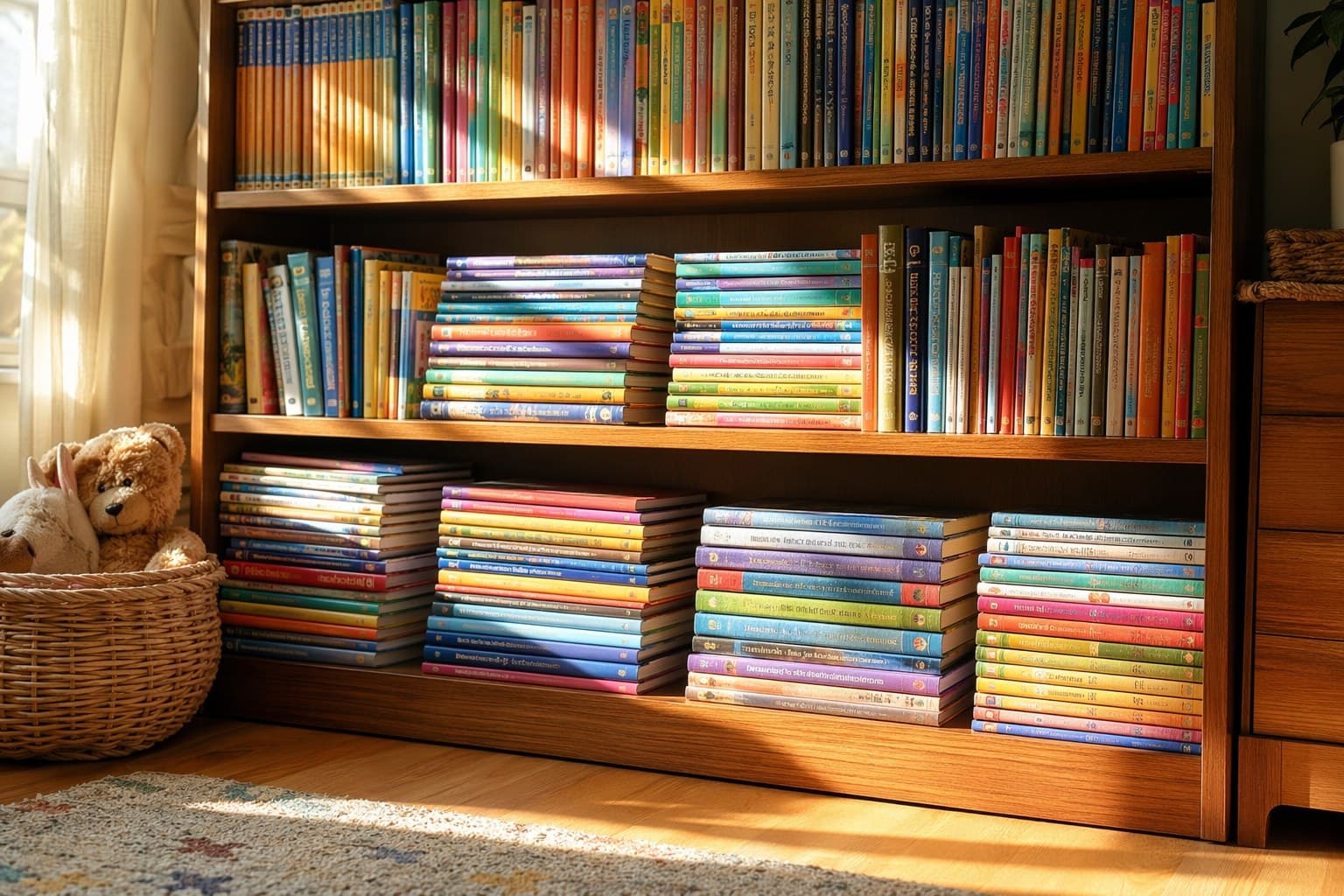
Before you spend a dollar, get to your public library. It is the single most powerful and underused tool in the screen-free summer arsenal, and almost every branch in the country runs a free summer reading program from roughly June through August.
These programs are quietly brilliant. Kids log the books or minutes they read, earn small prizes — a coupon for a free book, a ticket to a ballgame, a backpack — and get to feel part of something bigger than their own living room. The external motivation of a reading log and a prize chart is genuinely useful for kids who are not yet intrinsically hooked. Sign up the first week of summer break, before the novelty of freedom wears off.
Make the library a standing weekly appointment, the same way you would a swim lesson. Tuesday mornings, say, every week, all summer. Let each child get their own card and check out their own stack. The ritual of choosing — wandering the shelves, reading back covers, building a tower of books to carry home — is half the magic. Most branches let you place holds online, so you can reserve the next book in a series before your child finishes the current one and avoid the dreaded gap that breaks a reading streak.
Many libraries also run free in-person events all summer: author visits, magic shows, LEGO clubs, and story times. These give kids a reason to associate the building itself with delight, which matters more than any single book. A child who loves going to the library will, eventually, love what is inside it.

Find the Series That Hooks Them
If you want a child to read a lot — and volume is the whole game in summer — give them a series. Series are reading rocket fuel. Once a child falls for a set of characters, the next book is not a chore to be assigned; it is a craving to be satisfied. They will tear through eight, twelve, twenty volumes without anyone nagging, building fluency and stamina with every page.
The key is matching the series to the reader, not to the grade level on the box. Here is where to look by stage.
Early readers (ages 5–7). The Frog and Toad books and Mercy Watson are nearly perfect — short, warm, and genuinely funny, with enough white space to feel achievable. The Elephant and Piggie books by Mo Willems are the gold standard for kids just gaining confidence.
Newly independent (ages 7–9). This is the sweet spot for Magic Tree House, with its 30-plus volumes of history and adventure, and the Boxcar Children. Funnier readers love Dog Man and other graphic novels — and yes, graphic novels absolutely count as reading.
Confident middle readers (ages 9–12). Reach for The Penderwicks for cozy family stories or Percy Jackson for kids who want page-turning momentum.
For a deeper bench of titles worth owning and rereading, our grade-by-grade read-aloud book guide pairs beautifully with summer — many of those living books make wonderful family reads on the porch.
Build a Reading Nook Worth Returning To
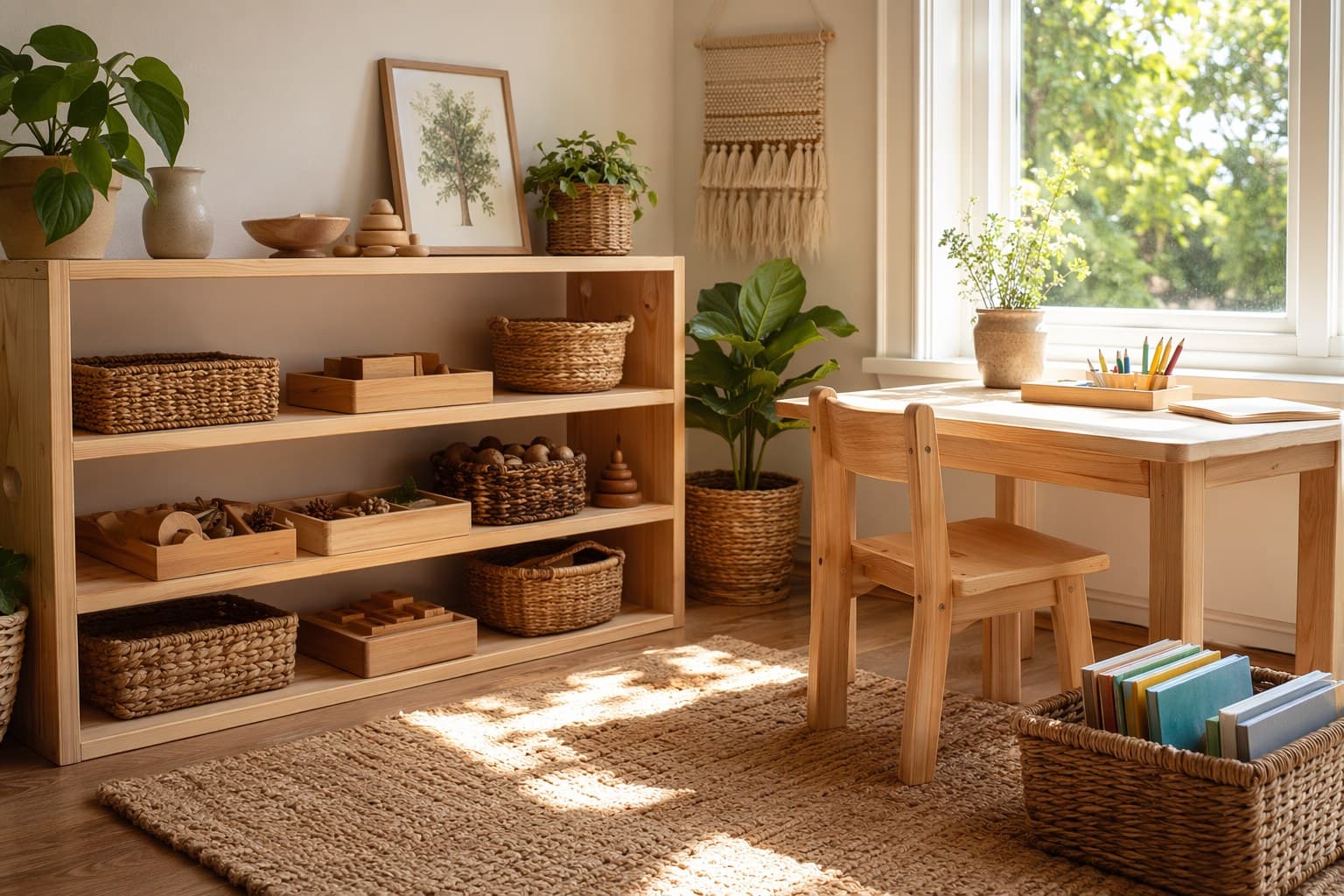
A reading culture needs a physical home — a specific, inviting spot that says this is where we read. You do not need a Pinterest reading-loft renovation. You need comfort, good light, and a sense of being a little bit set apart from the noise of the house.
Start with the floor or a corner. A big, squishy floor reading pillow or cushion instantly turns a bare corner into a destination. Add a basket of current library books within arm's reach so there is never a hunt. A small lamp or, for evening readers and under-the-blanket types, a clip-on book light extends reading right up to bedtime without an overhead light blasting the whole room.
The small touches matter more than you would expect. A set of decorative bookmarks — the kind kids actually want to use — turns marking your page into a tiny pleasure, and a child who has "their" bookmark feels ownership over the habit. Outdoors, a blanket under a tree or a hammock can become the summer reading throne. The point is to make the easiest, coziest thing in the room also the reading thing.
If you are working to crowd out screens generally, the nook does double duty. Pair it with the ideas in our roundup of screen time alternatives kids actually choose — when the reading spot is the most comfortable seat in the house, the tablet has real competition.

The Daily Rituals That Make It Stick
Equipment and library cards get you started. Rituals are what carry a reading culture through the whole summer. The trick is to anchor reading to something that already happens every day, so it never depends on willpower or remembering.
DEAR time. "Drop Everything And Read" is a classic for a reason. Pick a 20-minute window — right after lunch is ideal, when energy dips and bodies want to be still — and everyone reads, parents included. The "everyone" part is non-negotiable. Children read when they see the adults around them reading. A parent scrolling a phone while a child is told to read is teaching exactly the wrong lesson.
The afternoon read-aloud. Reading aloud is not just for little ones. A daily chapter from a shared book — read on the back steps with popsicles, or in the car on errands — becomes the heartbeat of the summer. It exposes kids to vocabulary and stories above their independent level and creates the shared family references that turn into in-jokes for years.
The earlier bedtime trade. Offer the oldest deal in parenting: lights-out at the normal time, or 30 extra minutes if you spend them reading in bed. Nearly every child takes the reading. It is how a generation of bookworms got made.
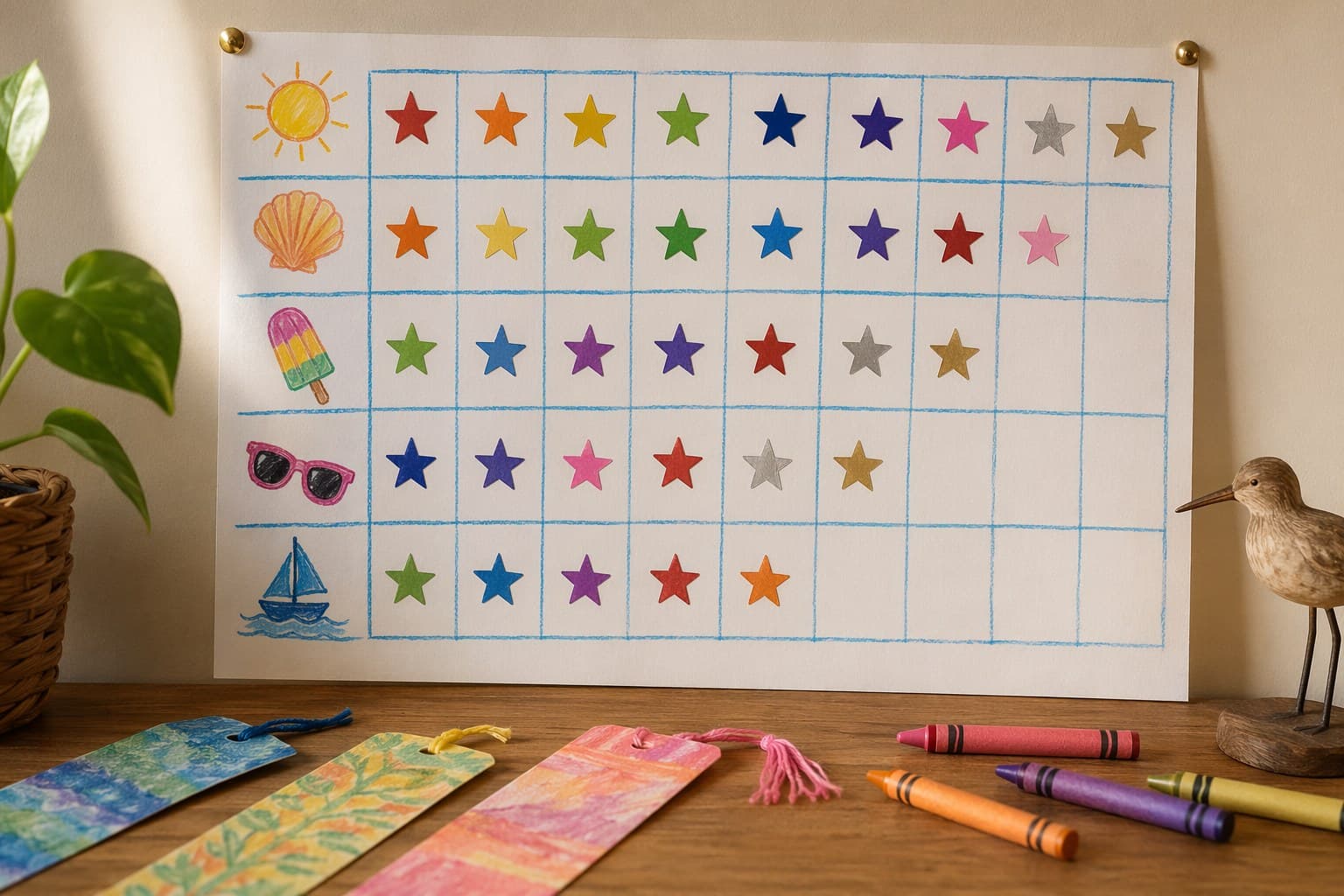
A visible log. Hang a summer reading log or chart somewhere prominent — the fridge, the nook wall. Coloring in a square, adding a sticker, watching a paper reading-thermometer climb toward a family reward (a trip for ice cream at 25 books, a movie night at 50) gives the habit a satisfying, tangible shape. Tie the chart to the library's program and you get a double dose of motivation.
These rituals only need to last a few weeks before they stop feeling like effort and start feeling like summer itself.
Let Them Choose, and Get Out of the Way
Here is the rule that undoes most well-meaning reading plans: stop assigning, and start trusting. Summer reading works because it is free reading. The moment a book becomes homework, the joy leaks out.
Let your child read "too easy" books, graphic novels, joke books, the same series for the fourth time, and books about topics you find dull. Reading specialist Stephen Krashen's research on free voluntary reading is unambiguous: the children who read the most by choice become the strongest, most willing readers, full stop. Difficulty does not build readers. Volume and pleasure do.
Your job is to stock the environment and remove the friction — keep good books everywhere, model reading yourself, make the nook irresistible, and then back off. A magazine subscription, audiobooks for car rides and quiet rest time, comic books in the bathroom basket: all of it counts, all of it builds the habit.
This same philosophy of trusting the child and choosing engaging materials runs straight through the school year, too. If summer reading lights a fire you want to keep burning, our guide to choosing a reading curriculum shows how to carry that joyful, choice-driven approach into formal lessons without snuffing it out.
The summer slide is real, but it is also entirely preventable — and you do not prevent it with pressure. You prevent it by building a home where reading is cozy, constant, and chosen. Get the library card. Build the nook. Find the series. Light the lamp. Then watch what happens when reading stops being a task and simply becomes who your family is.
Frequently Asked Questions
- Is the summer reading slide real, and how much does it matter?
- Yes. Decades of research, including work by Richard Allington and the long-running studies by Johns Hopkins, show that children who do not read over the summer can lose roughly two to three months of reading progress. The losses compound year over year, especially for kids who do not have easy access to books. The good news is that reading just four to six self-chosen books over the summer is enough to prevent the slide for most children.
- How many minutes a day should my child read in summer?
- Aim for 20 minutes of independent or family reading per day for elementary-age kids — that is the number most reading specialists cite, and it adds up to nearly two hours a week. For younger children, 10 to 15 minutes is plenty. The minutes matter less than the consistency: a short daily ritual beats a long Saturday marathon every time.
- What if my child only wants to read the same easy series over and over?
- Let them. Rereading a beloved series builds fluency, confidence, and vocabulary, and it is exactly how reluctant readers become voracious ones. Volume of reading at an easy, joyful level matters far more than difficulty in the summer months. The goal is a child who chooses to read, not a child who reads what an adult thinks is challenging enough.
Enjoying this article?
Get more ideas like this delivered to your inbox every week.