Best Sandbox Sets for Backyard Play (2026 Guide)
The best sandboxes for backyard play — Step2, KidKraft, Little Tikes, and DIY options compared. Plus essential accessories and how to keep sand clean.
By The Slow Childhood
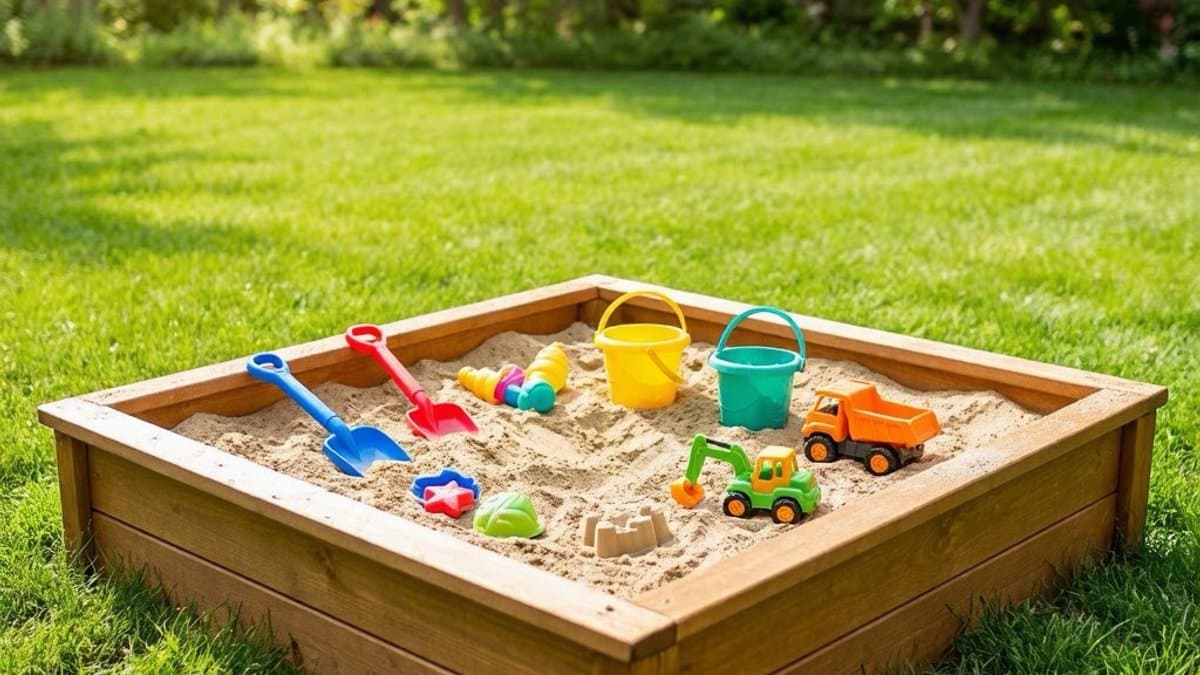
A backyard sandbox is one of those classic childhood spaces that feels increasingly rare. Many newer homes don't have them, and many parents view sand as a hassle. But families who set up sandboxes well often find them the most-used outdoor toy of the toddler and preschool years. The combination of sensory experience, open-ended building, and outdoor air makes sandbox time uniquely valuable — and the cleanup is far less than expected if you set it up properly.
Best Wooden Sandboxes
KidKraft Wooden Sandbox
The KidKraft Wooden Sandbox is the most popular wooden sandbox for good reason. The cedar construction holds up to weather, the included canopy provides essential shade and rain protection, and the size accommodates 2-3 children comfortably.
Pros: Real cedar wood, includes canopy, sturdy construction, holds 200-400 lbs of sand Cons: Substantial assembly time, requires occasional sealing, larger footprint Best for: Permanent backyard installation; families wanting heirloom quality.
Backyard Discovery Wooden Sandbox
Backyard Discovery Sandbox provides a similar wooden sandbox option at a slightly different price point and design. Quality is comparable to KidKraft.
Best for: Alternative to KidKraft if you prefer a different design or find pricing better.
DIY Wooden Sandbox
A DIY 4x4 or 6x6 sandbox built from cedar boards and weed cloth costs $50-100 and takes a few hours to build. Add a tarp cover and you have a custom sandbox sized to your yard.
Best for: Handy families wanting maximum customization and savings.
Best Plastic Sandboxes
Little Tikes Turtle Sandbox
The Little Tikes Turtle Sandbox is the iconic American sandbox — a plastic turtle shape with a removable shell that doubles as a cover. Generations of children have grown up with one.
Pros: Easy assembly, lightweight, includes cover, instantly recognizable design Cons: Smaller capacity (about 150 lbs of sand), plastic aesthetic, smaller play area Best for: Toddlers (1-4); apartment families with patios; first sandbox experiences.
Step2 Naturally Playful Sandbox
The Step2 Naturally Playful Sandbox offers a more substantial plastic sandbox with built-in seating and storage areas for tools.
Best for: Step up from turtle-style sandboxes; families wanting plastic without the toddler aesthetic.
Best Combo: Sand and Water Tables
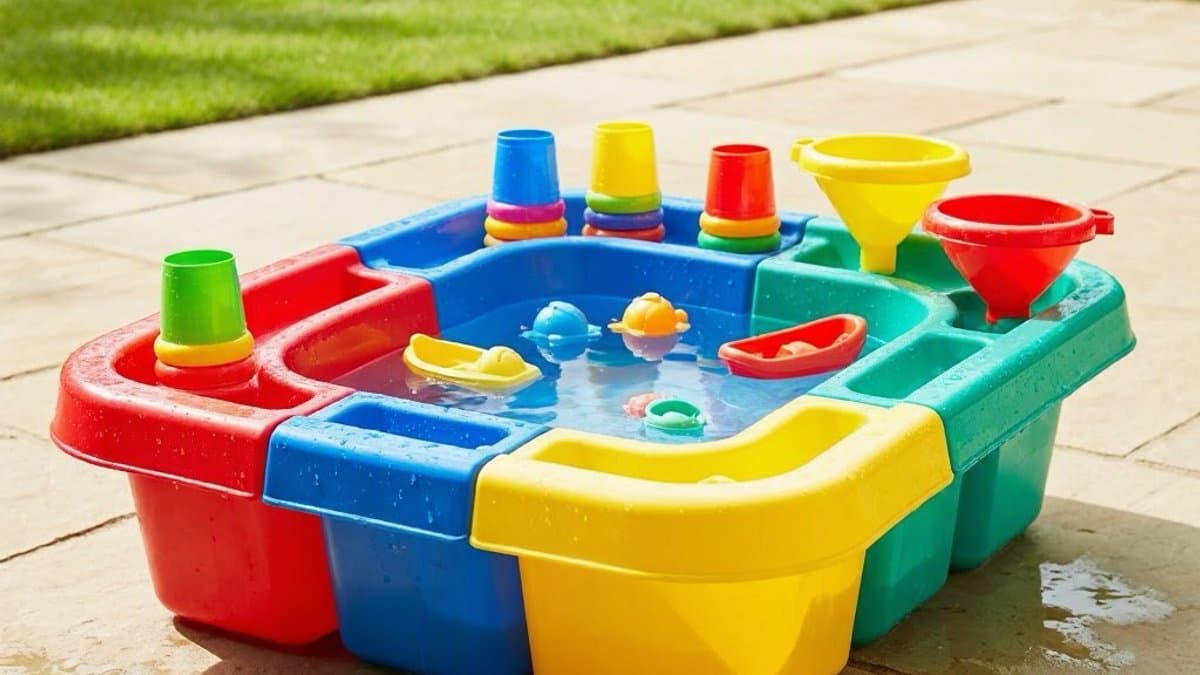
Step2 Sand and Water Activity Table
The Step2 Sand and Water Table provides separated sections for sand and water play in one compact unit. Better for smaller spaces than full sandboxes.
Best for: Small yards or families wanting both sand and water play in one piece.
Essential Sandbox Accessories
Cover
Every sandbox needs a cover. If your sandbox didn't come with one, universal sandbox covers are inexpensive insurance against cats and rain.
Sand Tools
Beyond the basic shovel and pail, quality sandbox tool sets with rakes, sieves, molds, and trucks extend play significantly. Hape Sandbox Tools are especially well-made.
Sand Molds and Castle Building
Sand castle mold sets — towers, walls, fish, vehicles — invite structured building play.
Construction Vehicles
Plastic construction vehicles (dump trucks, excavators, bulldozers) extend sand play into pretend construction sites. Bruder makes excellent quality vehicles.
Kinetic Sand for Indoor
For days when outdoor sandbox isn't available, Kinetic Sand provides similar sensory experience indoors with much less mess.
Sand Quality and Quantity
Use only play sand. Construction sand may contain crystalline silica (a respiratory hazard). Beach sand from unknown sources can contain shells, glass, or contaminants. Stick to bagged play sand from reputable brands.
Quantity to buy:
- Turtle-style small sandbox: 150-200 lbs
- 4x4 wooden sandbox: 250-300 lbs
- 6x6 wooden sandbox: 400-500 lbs
Refresh annually. Top up sand each spring as some inevitably gets carried out. Replace sand entirely every 2-3 years.
Setup and Maintenance
Choose a level location — uneven ground destabilizes the sandbox and creates uncomfortable play.
Add a weed barrier underneath wooden sandboxes — a layer of weed cloth or landscape fabric prevents grass and weeds from growing up through the sand.
Position thoughtfully — partial shade is ideal. Full sun makes sand uncomfortably hot in summer; full shade keeps sand damp and slow to dry.
Cover religiously — every time play ends. The cover is the difference between clean sand and a litter box.
Clean periodically — pick out leaves, sticks, and debris weekly. Once or twice a year, rake through the entire sandbox to break up clumps and check for unwanted contents.
For more outdoor play, see our guides to water tables for toddlers, backyard games for summer, and outdoor toys for active play.
A good sandbox earns its space in the yard. Set it up well, accept some sand will end up in shoes and pockets, and watch it become the place where your toddlers and preschoolers want to spend their afternoons.
Frequently Asked Questions
- What is the best sand for a sandbox?
- Use only play sand specifically labeled as such — silica-free, non-toxic, washed and screened. Avoid construction sand or beach sand from unknown sources, which may contain harmful additives or contaminants. [Sakrete Play Sand](https://www.amazon.com/s?k=Sakrete+play+sand+50+lb&tag=theslowchildhood-20) and [Quikrete Play Sand](https://www.amazon.com/s?k=Quikrete+play+sand&tag=theslowchildhood-20) are both safe, washed, screened play sand widely available at home improvement stores. Most sandboxes need about 200-400 pounds of sand to fill properly.
- How do I keep cats and rain out of the sandbox?
- A cover is essential — cats see uncovered sandboxes as litter boxes, and rain creates muddy mess. Most quality sandboxes come with covers; replace them when worn. Stretch tarps with bungee cords work as backup. Remove cover during use, replace immediately when done. Even with a cover, refresh sand every 2-3 years as it gets dirty over time.
- What age is best for a sandbox?
- Sandboxes work for ages 18 months through 8 years, with the sweet spot at ages 2-6. Toddlers love the sensory experience of sand; preschoolers add imaginative play (construction sites, beaches, bakeries); early elementary kids dig elaborate tunnels and structures. Older children often prefer beach trips or the looser play space of a beach over a backyard sandbox.
- Wooden or plastic sandbox — which is better?
- Wooden sandboxes look better, last longer (10+ years with maintenance), and hold significantly more sand. Plastic sandboxes are easier to assemble, easier to move, and don't require sealing or maintenance. For long-term family use in a permanent location, wooden wins. For renters, smaller yards, or families wanting an easy first-sandbox experience, plastic is the right choice. Both can work beautifully — the choice depends on your situation.
Enjoying this article?
Get more ideas like this delivered to your inbox every week.