Best Trampolines for Kids (Safety, Size, and What to Actually Buy)
An honest guide to buying a kids trampoline — the safest brands, the best sizes by family, mini trampolines for indoor use, and the safety rules that actually prevent injuries.
By The Slow Childhood
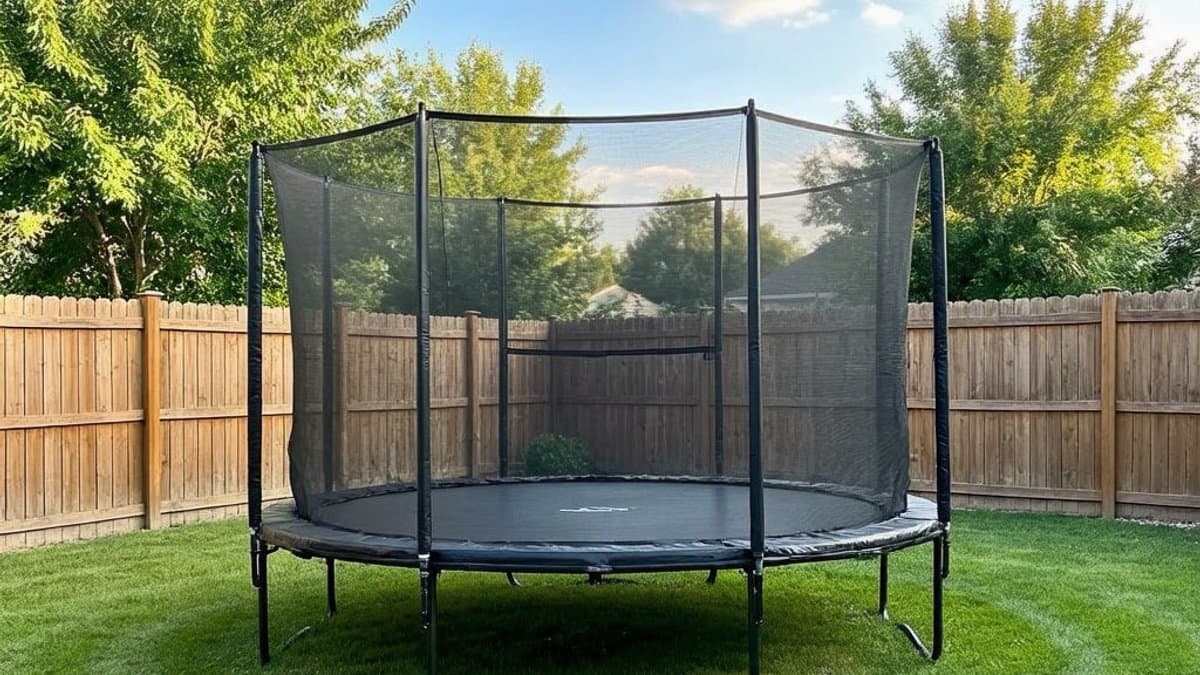
Trampolines are one of those toys that parents either love or love-to-hate. The injury statistics are real. So is the pure joy of watching a child bounce for an hour, coming inside flushed, giggling, and happily exhausted. With the right trampoline and strict safety rules, the risks can be managed and the benefits are enormous: hours of active outdoor play, built-in exercise, vestibular development, and the kind of physical confidence that comes from controlled risk.
This guide covers the trampolines we actually recommend after extensive research and talking to families who own them — plus the safety rules that actually work.
Before You Buy: Read This
Trampoline injuries are real and common. Most injuries happen when:
- Multiple children jump at the same time (causing collisions or one child bouncing another unexpectedly)
- Someone attempts flips or somersaults without proper training
- The trampoline has exposed springs (entrapment injuries)
- There is no safety enclosure or the enclosure is damaged
- The trampoline is placed on a hard surface (falls land harder)
The good news is that these risk factors are largely preventable. Families who follow one-jumper-at-a-time rules, use modern enclosed trampolines, prohibit somersaults, and supervise children while jumping experience dramatically lower injury rates.
If you cannot commit to enforcing these rules, a trampoline is probably not right for your family.
Best Premium Trampolines (Springless)
Springfree Trampoline
Springfree Trampolines are the safest trampolines on the market. The patented design uses flexible fiberglass rods beneath the jumping mat rather than exposed steel springs, eliminating the most common source of trampoline injuries. The frame sits below the jumping surface so feet cannot hit it, and the enclosure net is supported by flexible poles that give way rather than causing hard impacts.
Strengths:
- Eliminates spring-based injury risk entirely
- Frame is below the jumping surface — no foot strikes
- Flexible enclosure poles reduce head/face impacts
- 10-year warranty on most components
- Weight capacity up to 330 pounds
Weaknesses:
- Expensive (starting around $1500 for the smaller sizes)
- Installation is complex (many families pay for professional assembly)
- The bounce feel is different from traditional spring trampolines (some prefer it, some don't)
Sizes available: 8-foot round, 10-foot round, square/rectangular options up to 13x8 feet. Best for: Families prioritizing maximum safety and willing to invest in the long term.
Vuly Thunder
Vuly Thunder is another springless design, using leaf springs concealed under the mat rather than traditional exposed springs. The bounce quality is excellent and the build quality is robust.
Strengths:
- Springless design with good bounce quality
- Galvanized steel frame for weather resistance
- Strong safety enclosure included
- Available in medium and large sizes
Weaknesses:
- Also expensive ($1200-2000 range)
- Less widely available in the US than Springfree
Best for: Families wanting springless safety at a slightly lower price point than Springfree.
Best Mid-Range Trampolines (Spring)
For families who cannot stretch to premium springless models, these mid-range spring trampolines offer reasonable safety with much lower price tags. All have proper enclosures — never buy a trampoline without one.
Skywalker Trampolines 12-Foot
Skywalker Trampolines 12-foot models are the most popular mid-range option. The enclosure net attaches directly to the jumping mat (rather than outside the springs), which eliminates the spring-pinch risk. Thick safety pads cover the springs.
Strengths:
- Proper enclosure design (net inside the springs)
- Thick spring padding
- Reasonable price (around $400-500 for the 12-foot)
- Widely available with good parts support
- Decent build quality for the price
Weaknesses:
- Springs are still present (safer than older designs but not springless)
- Build quality is not as premium as Springfree or Vuly
- Lifespan of 4-6 years is typical
Best for: Families wanting a reasonably safe, reasonably priced trampoline.
JumpKing Trampolines
JumpKing Trampolines offer another mid-range option with enclosure netting and basic safety features. Build quality is comparable to Skywalker.
Best for: Similar use case to Skywalker — an alternative option in the mid-range category.
Best Mini Trampolines
Mini trampolines (also called rebounders) work for indoor use or small yards. They are lower-risk than full-size trampolines because the jumping surface is smaller and the height is lower.
Little Tikes 3-Foot Trampoline
The Little Tikes 3-foot trampoline is designed specifically for toddlers and preschoolers. The enclosure bar gives children something to hold onto, and the low jumping surface keeps the stakes low.
Ages: 18 months - 5 years Price: About $50-80 Best for: Indoor active play for very young children.
JumpSport iBounce Mini Trampoline
The JumpSport iBounce is a premium kids mini trampoline with a built-in enclosure bar for safety. The 48-inch size gives more room than tiny toddler trampolines while remaining safer than full-size models.
Ages: 3-10 years Price: About $200-250 Best for: Older children who need active indoor play, especially in colder climates.
Stamina Folding Trampoline
The Stamina Folding Trampoline is a 36-inch adult-style rebounder that also works well for children 5+. It folds flat for storage — useful in smaller homes.
Ages: 5+ years with supervision Price: About $50-70 Best for: Multi-use indoor trampolines that can serve kids and adults alike.
Essential Safety Accessories
Trampoline Anchor Kit
A trampoline anchor kit secures the trampoline to the ground so it does not flip in high winds. This is critical — unanchored trampolines have seriously injured people and damaged property during storms. Consider an anchor kit mandatory, not optional.
Ladder
A trampoline ladder allows younger children to get on and off safely without trying to climb over the enclosure or dropping down from the jumping mat.
Spring Cover Replacement
If your trampoline has springs, the padding that covers them will degrade in sunlight within 2-3 years. Replacement spring pads are an inexpensive way to maintain safety as the trampoline ages.
Weather Cover
A trampoline weather cover protects the jumping mat from UV damage, extending the life of the mat by years. Apply when the trampoline is not in use for extended periods.
Safety Rules That Actually Work
These rules, enforced consistently, prevent most trampoline injuries:
One jumper at a time. The single most important rule. Most injuries happen when multiple children jump simultaneously. The bigger child bounces the smaller child unexpectedly, collisions happen, and landings go wrong.
No somersaults, flips, or handsprings. Without proper training, these frequently result in landing on head or neck. Forbid them entirely at home. If your child wants to learn gymnastics skills, enroll them in a gymnastics class with proper equipment and coaching.
Adult supervision for all jumping. Not necessarily watching every bounce, but present and aware. Children who know an adult is watching self-regulate better than children left entirely alone.
Shoes off, no jewelry, empty pockets. Shoes damage the mat. Jewelry and pocket objects are choking/impact hazards.
Not after rain or if wet. Wet mats are slippery and dangerous.
Inspect the trampoline regularly. Check springs, pads, netting, and frame for damage. Fix or replace damaged components immediately.
Place on level ground with safe perimeter. Clear 6 feet around the trampoline of hard objects. Place on grass or sand, not concrete or packed dirt. Some families dig a trampoline pit to lower the jumping surface to ground level, which reduces fall height.
Remove the ladder when not in use. Prevents unsupervised use, especially important for homes with toddlers.
When a Trampoline Is Worth It
A trampoline makes the most sense when:
- You have yard space and neighbors who won't be disturbed
- Your children are active and need outdoor physical outlets
- You live in a climate with significant outdoor time possible
- You are willing to enforce strict safety rules consistently
- You can budget for a quality model rather than a cheap one
- Your children are old enough to understand and follow rules (typically 4+)
A trampoline is probably NOT worth it when:
- You have very small children who will try to sneak on unsupervised
- You cannot commit to enforcing one-jumper-at-a-time
- Your budget only allows for a cheap entry-level model
- Your yard space or surface is inadequate
- You are not willing to maintain it properly
Alternatives Worth Considering
If a full-size trampoline is not right for your family, these alternatives provide similar benefits with less risk:
- Mini trampoline indoors — active play without the scale of outdoor models
- Indoor obstacle courses — challenging physical play with minimal equipment
- Backyard games and active play — running, jumping, climbing without trampolines
- Gymnastics or tumbling classes — proper training for the skills children want to learn
For more outdoor play ideas, see our guides to outdoor toys, backyard games, and fort building.
A trampoline is not a casual purchase — it is a long-term outdoor infrastructure decision that will shape your backyard and your children's active play for years. Choose thoughtfully, invest in safety features, enforce the rules consistently, and the trampoline will earn its place as one of your family's most-loved additions.
Frequently Asked Questions
- Are trampolines actually safe for kids?
- Trampolines can be safe when used correctly, but they do carry real injury risk. The American Academy of Pediatrics recommends against home trampolines, though they acknowledge that with strict safety rules — one jumper at a time, proper enclosure netting, no somersaults, adult supervision — the risks can be significantly reduced. Modern trampolines with springless designs and full safety enclosures are dramatically safer than the older spring-and-metal-frame designs most parents remember.
- What size trampoline should I buy?
- Size depends on yard space and intended use. Mini trampolines (38-48 inches) work for indoor use or for single young children. 8-foot trampolines fit small yards and work for one child at a time. 12-foot trampolines are the sweet spot for most families — large enough for real jumping, small enough to fit most yards. 14-foot and 15-foot trampolines give more room but require substantial yard space and higher budgets.
- How much should I spend on a trampoline?
- Quality trampolines start around $400 for basic models and range to $2500+ for premium brands like Springfree and Vuly. Cheap trampolines ($150-300 range) often have weak springs, thin pads, poorly constructed frames, and inadequate safety nets — they are false economy and frequently become dangerous within a year or two. Budget at least $500-800 for a safe mid-size trampoline that will last 5+ years, or invest in a premium springless model for maximum safety.
- Should I get a springless trampoline?
- Yes, if your budget allows. Springless trampolines (like Springfree and Vuly Thunder) use fiberglass rods beneath the mat instead of exposed metal springs. This eliminates the #1 source of trampoline injuries — children getting feet or limbs trapped in springs or pinched between springs and the frame. Springless trampolines cost 2-3x more than spring models but are demonstrably safer. For families serious about trampoline use, the investment is worthwhile.
Enjoying this article?
Get more ideas like this delivered to your inbox every week.