Bug Study in Spring: Observation, Identification, and Natural Curiosity
Spring brings an explosion of insect life — and kids are wired to notice it. Learn how to turn that fascination into real observation and identification skills, with simple tools, an age-by-age plan, and humane handling habits that build a young naturalist.
By The Slow Childhood
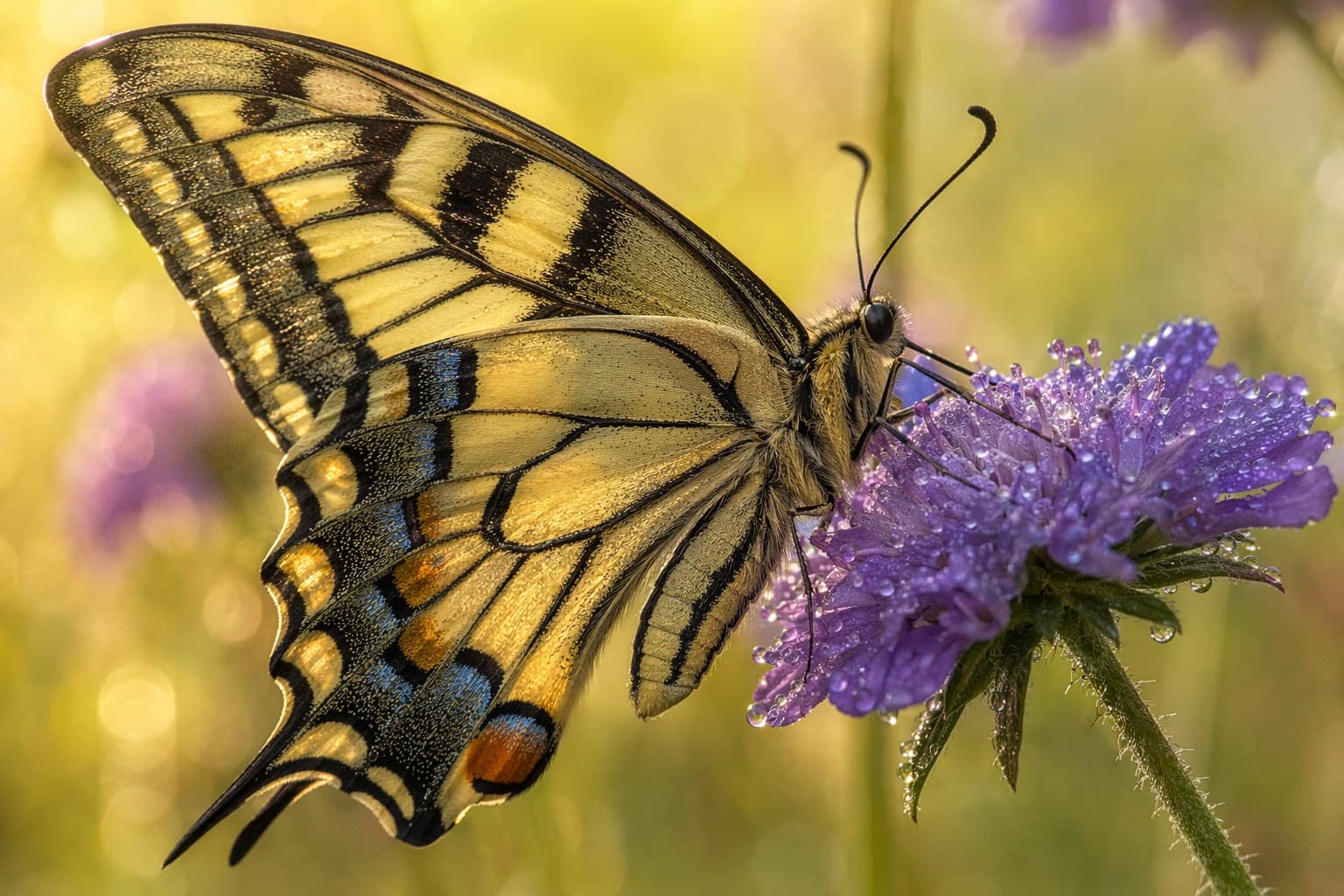
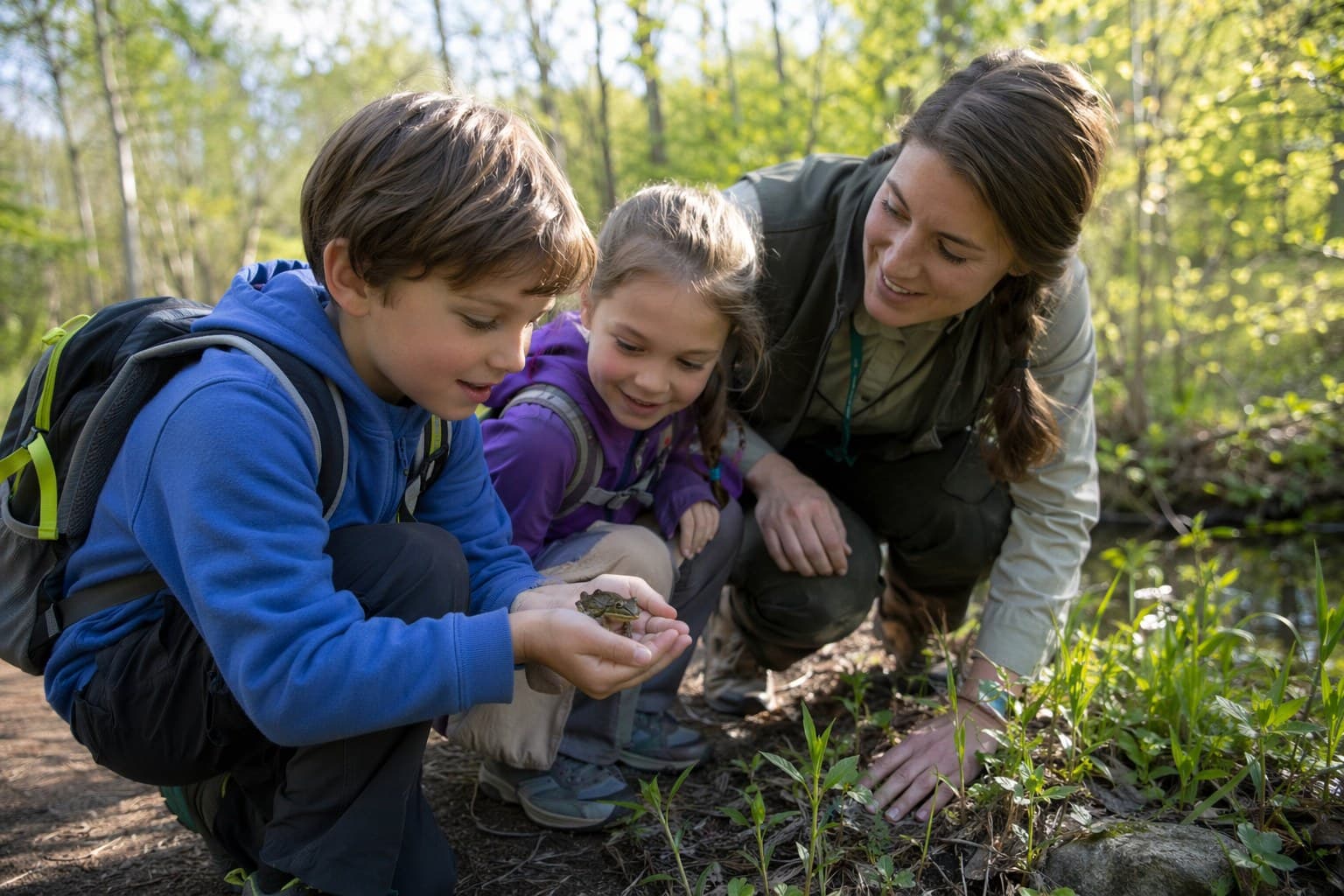
There is a stretch of late spring when the world fills up with small moving things. A bee works a clover flower, an ant carries a crumb three times its size, a beetle clatters across the porch, a butterfly opens and closes its wings on a warm rock. Children notice this before we point it out. The fascination is already there — the question is whether we shoo it away ("don't touch that, it's dirty") or lean into it and hand them the tools to look closer.
I am firmly on the side of leaning in. Insects are the single best entry point into real scientific observation for one simple reason: they are everywhere, they are free, and they do interesting things while you watch. You do not need a trail, a permit, or a long drive. A patch of weeds by the driveway holds a week of study. This guide walks through how to turn a child's natural bug obsession into genuine observation and identification skills, what tools actually help, and how to do it all without harming the very creatures you are learning to love.
Start With Watching, Not Catching
The instinct, for kids and adults alike, is to grab. But the best bug study begins with stillness. Before anyone reaches for a net, spend the first few minutes simply watching what an insect does. Where is it going? What is it eating? How does it move — does it walk, hop, fly in straight lines or loops? This is observation in its purest form, and it is the habit Charlotte Mason called "the science of relations": knowing a creature through real attention rather than a label.
I teach families a short watching routine before any handling. Pick one insect and answer four questions out loud: What is it doing right now? How many legs and body parts can you count? Where did it come from and where is it going? What is one thing about it that surprises you? Those four questions turn a glance into a study. They also slow children down enough that the bug usually stays put, because calm, still kids are far less alarming to a beetle than a swooping hand.
This watching-first approach pairs naturally with the broader skill of slow looking. If you want to build that habit across all your outdoor time, our guide to outdoor nature activities for kids is full of ways to make stillness feel like a game rather than a chore.
The Tools That Make Bugs Worth Studying
You can begin with nothing but your eyes, and I would not let a lack of gear stop you for a single day. But a few inexpensive tools genuinely transform what a child can see and do.
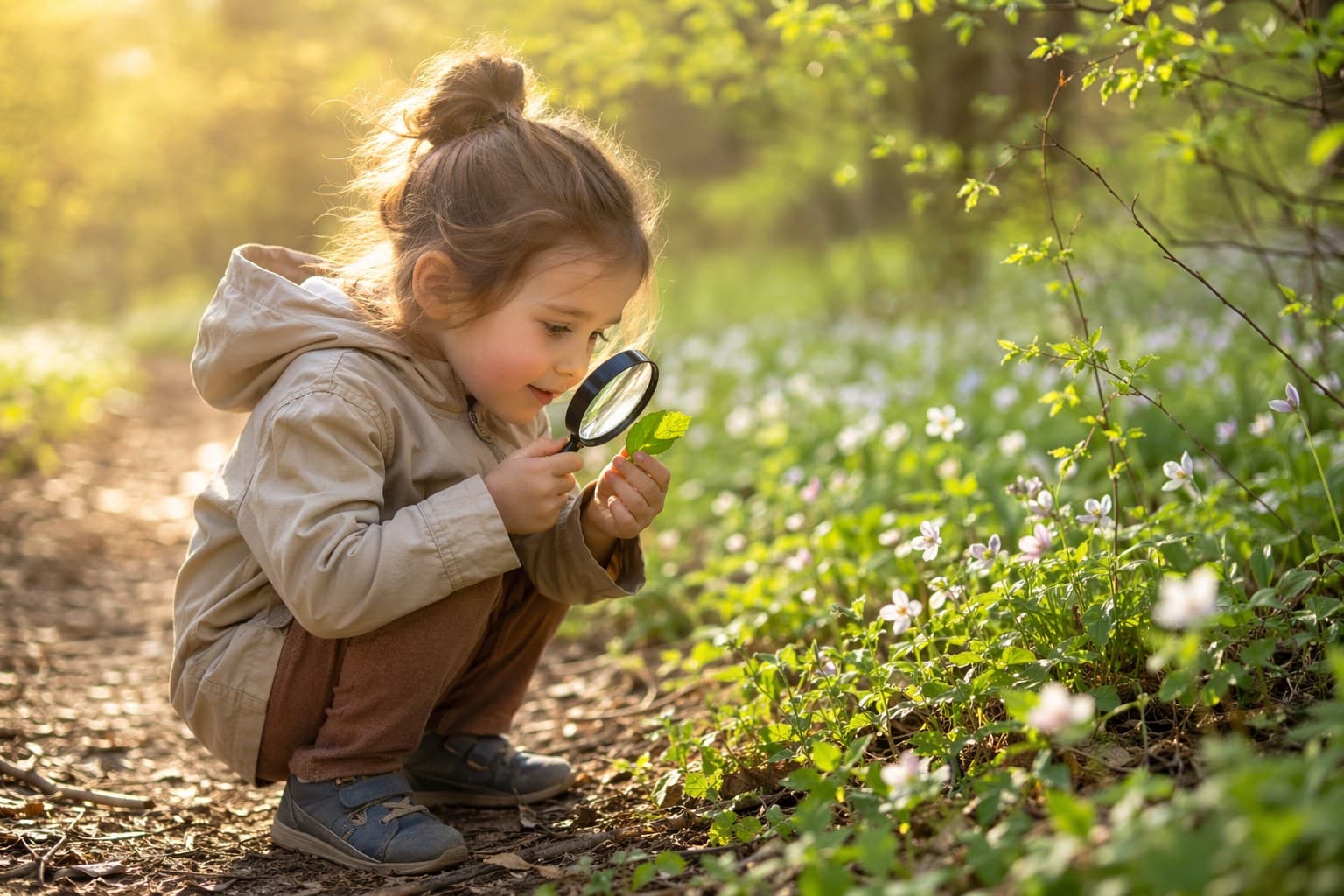
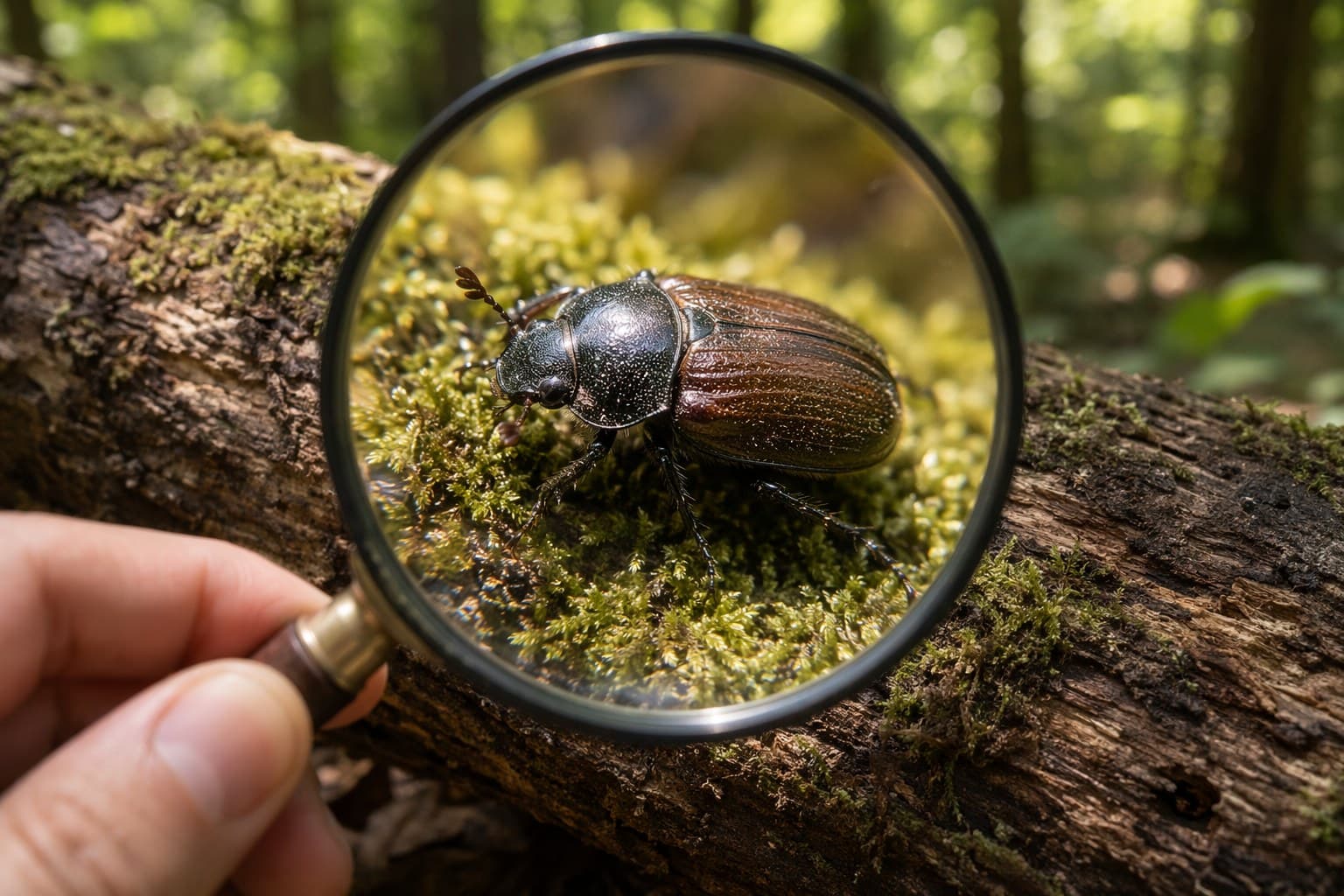
The first and most important is magnification. A handheld magnifying glass or 10x hand lens reveals the world insects actually live in — the segmented legs of an ant, the scaled wings of a moth, the compound eyes of a fly that look like a thousand tiny windows. I have watched a child go silent for a full minute over a housefly's eye through a lens. That silence is the whole point.
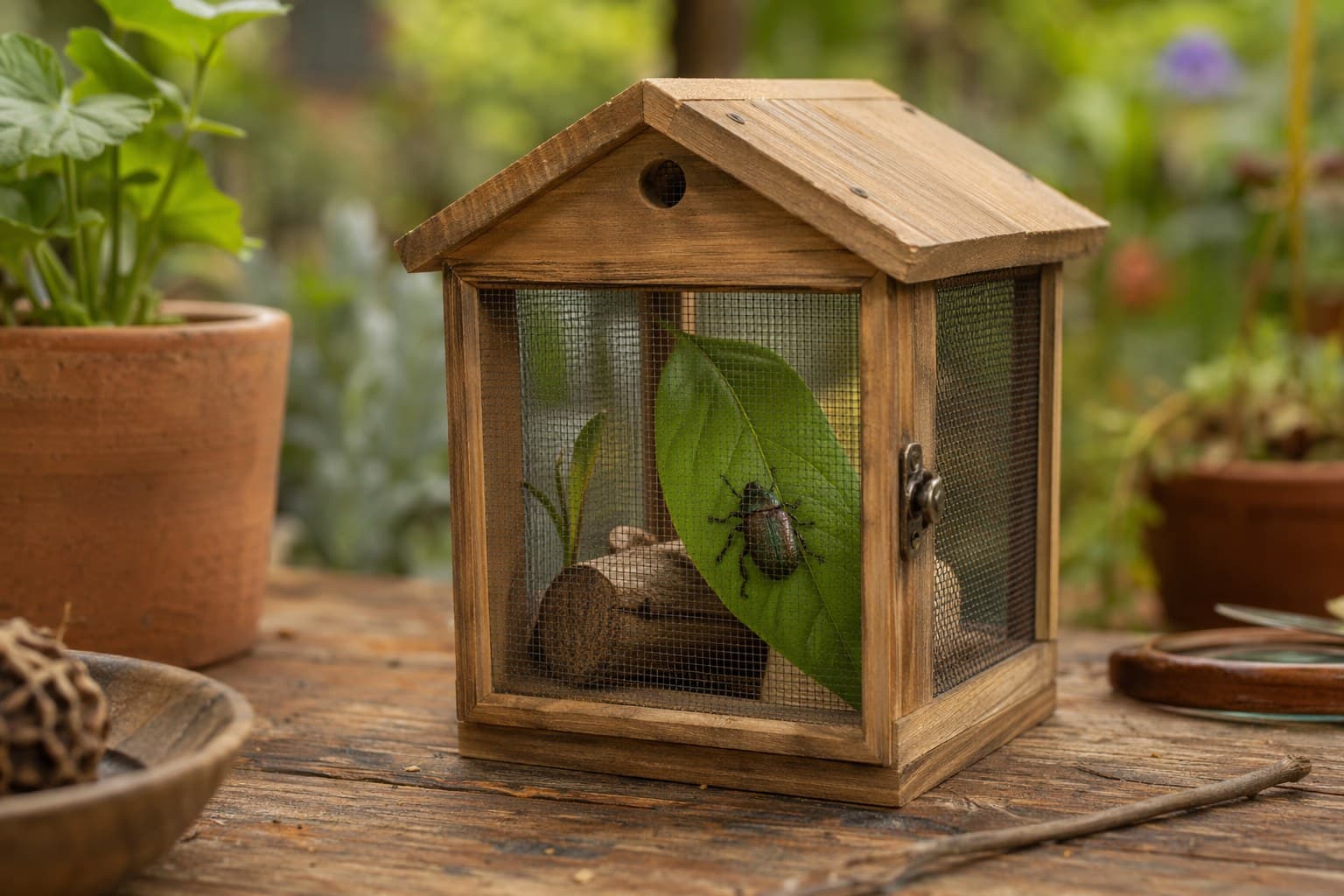
For temporary, humane catching, a soft butterfly net paired with a clear catch-and-release container lets kids hold a creature still long enough to really see it. Choose containers with magnifying lids so the bug can be studied without being handled at all. For longer observation of slower creatures like caterpillars or beetles, a ventilated bug house observation kit gives a safe temporary home — emphasis on temporary. We will come back to release rules in a moment.
Then comes naming. A regional insect identification guide matched to your part of the country matters more than a glossy general one, because the bugs in a Florida backyard are not the bugs in a Maine one. And finally, recording: a dedicated bug journal for sketches and notes is where observation becomes science, which is worth its own section.
Observe First, Identify Second — Always in That Order
The most common mistake I see is rushing to the name. A child finds something, an adult says "that's a ladybug," and the looking stops. The label closes the door that curiosity just opened.
Reverse it. Describe before you name. Have the child record what they actually see — count the legs (six means insect, eight means spider or other arachnid), note the body sections, the colors, the wings, the antennae, the way it moves. Only after the description is captured do you open the field guide together and play detective: "Six legs, three body parts, hard shiny red shell with black spots — let's find what matches." Now the name is a reward for looking, not a substitute for it.
This counting habit is also the single most useful identification skill you can teach. Insects have three body parts and six legs. Spiders have two body parts and eight legs and never have wings. Centipedes, pill bugs, and worms are different groups entirely. A child who can sort a yard creature into "insect or not" using that simple checklist is already thinking like a taxonomist. The same observe-then-name discipline carries across all nature study — our nature walk observation guide breaks down the five lenses I use to teach close looking on any walk, not just a bug hunt.
Recording: Where Watching Becomes Science
A single observation is a moment. A series of recorded observations is data, and data is where the real learning lives. The bug journal is the bridge.
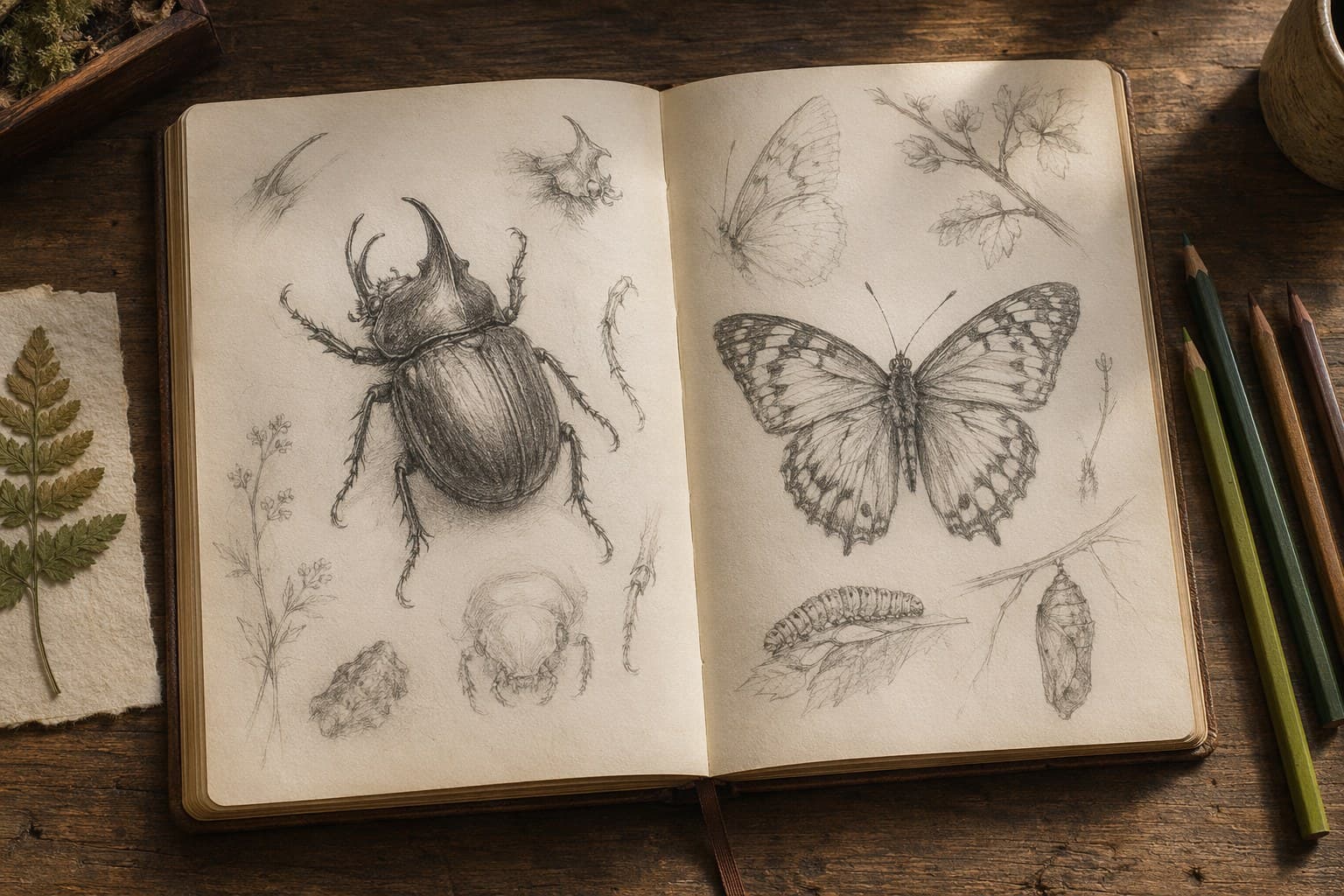
For a sketch, accuracy beats beauty. Ask the child to draw what they see and label three things beside it: the date and place, a count or measurement (six legs, about two centimeters long), and one genuine question ("Why does it keep cleaning its antennae?"). Over a spring, a journal like this becomes a record of change — the first bees, the appearance of caterpillars, the day the butterflies arrive. If your child loves the drawing side of this, our roundup of nature journal ideas for kids has seasonal page layouts and prompts that work beautifully for insects.
One of my favorite long projects is following a single life cycle. Find caterpillars on a host plant in May, watch them eat and grow, observe a chrysalis form, and record the day a butterfly emerges. Few science lessons land as hard as a child watching metamorphosis happen on their own kitchen counter. For families who catch the experiment bug, that same record-keeping mindset carries indoors — our kitchen science experiments for kids lean on the exact same observe-predict-record loop.
A Simple Plan by Age
Match the work to the child and bug study stays joyful rather than forced.
- Ages 2-3: Pure noticing. Watch a bug move, name what it does, touch nothing that bites or stings. You do the recording; success is one minute of real attention.
- Ages 4-5: Introduce the hand lens and counting. "How many legs? Insect or spider?" Short dictated notes and a scribbled drawing.
- Ages 6-8: The sketch-and-label method, one bug per outing, plus first use of a field guide to name what they described.
- Ages 9-12: Repeat observations of the same spot or species over weeks, life-cycle tracking, and simple data tables of what appears when.
Handle Gently, Release Promptly
None of this works if we treat insects as disposable. The ethic is part of the lesson, and it is a short one: observe and return. Keep a caught creature briefly, in shade, with a damp leaf from its home, and release it the same day at the same spot. Teach children to scoop rather than grab, to avoid anything that stings, and to leave bees and wasps to do their work undisturbed.
A child who learns to study a beetle and then carefully set it back in the grass has learned something bigger than entomology. They have learned that curiosity and care belong together — that looking closely at a living thing comes with a responsibility to protect it. Start this week. Find one bug, watch it for one full minute before anyone speaks, and write down three things. That single minute, repeated through a spring, is how a young naturalist is made.
Frequently Asked Questions
- What age can children start a bug study?
- Almost any age. Toddlers around 2-3 can watch a beetle cross a sidewalk and name what it is doing. By 4-5, children can use a hand lens, count legs, and learn the difference between an insect and a spider. From 6 to 8 most kids can sketch what they find and begin using a simple field guide, and by 9 and up they can keep records over weeks, identify to species, and notice life-cycle stages. The fascination is built in from the start — your job is mostly to slow it down and add tools as they are ready.
- How do I keep insects alive if we catch them to observe?
- Keep them briefly and comfortably. Use a ventilated container with a damp leaf or twig from where you found the bug, keep it out of direct sun so it does not overheat, and never hold a creature more than a few hours. Most insects do best released the same day, at the same spot you found them. Teach children that the goal is to observe and return, not to keep — a quick study followed by a release does far more for both the insect and the child than a jar left on a windowsill.
- How do you tell an insect from a spider or other bug?
- Count the body sections and legs. True insects have three body parts (head, thorax, abdomen) and six legs, and most have antennae and often wings. Spiders have two body parts and eight legs, no antennae, and no wings — they are arachnids, not insects. Other yard creatures like centipedes, pill bugs, and worms are different groups again. Teaching this single counting habit gives children a reliable, repeatable way to sort what they find without needing to know the species first.
Enjoying this article?
Get more ideas like this delivered to your inbox every week.