Edible Flower Gardens: Growing Beautiful, Safe-to-Eat Flowers
A practical guide to growing an edible flower garden with kids — which safe-to-eat flowers grow easiest from seed, how to plant nasturtiums, calendula, and violas, and how to turn the harvest into salads, ice cubes, and real culinary discovery.
By The Slow Childhood
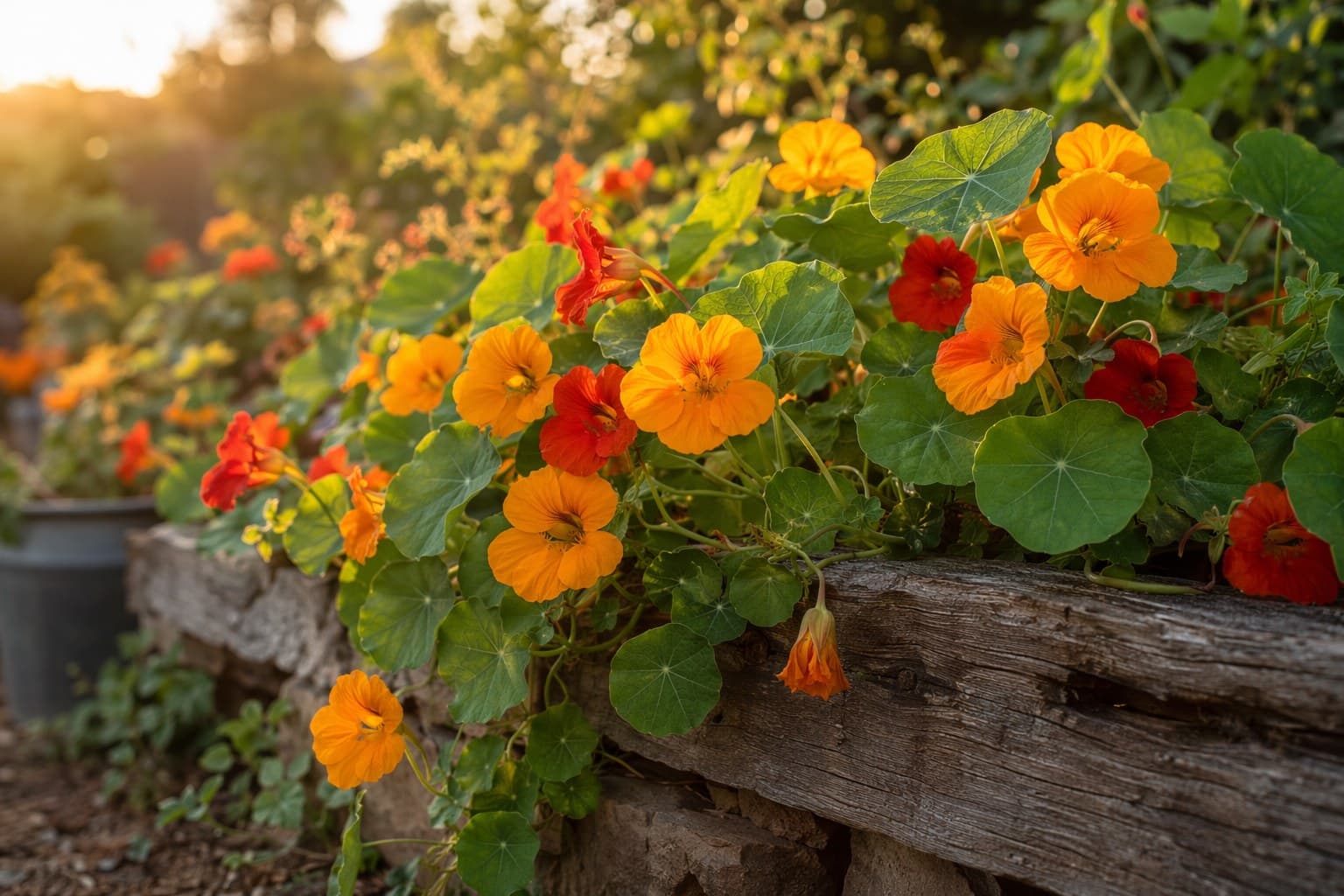
The first time our daughter ate a flower on purpose, she did it suspiciously, holding a single orange nasturtium at arm's length like it might bite back. She nibbled one edge, paused, and her whole face changed. "It's spicy," she whispered, scandalized and delighted, and then she ate four more. That moment — the collision of beautiful and edible, of garden and dinner plate — is the entire reason an edible flower garden is one of the best growing projects you can do with children.
An edible flower garden does something a vegetable patch cannot. It is gorgeous from the first bloom, it invites tasting and discovery rather than just waiting, and it teaches one of the most useful habits a child can carry into the world: that you only eat what a grown-up has named and confirmed is safe. This guide walks through choosing safe-to-eat flowers, planting them with kids, the one safety rule that matters most, and — the part that makes it stick — actually eating what you grow.
Why Edible Flowers Are a Perfect Kids' Garden
Most gardening with young children struggles against time. A carrot seed is an abstract promise; a child loses interest weeks before there is anything to show. Edible flowers solve this the way herbs do, with speed and generosity. Nasturtiums germinate in seven to ten days and bloom within five or six weeks. Calendula is not far behind and then flowers relentlessly all season, more the more you pick. There is always something happening, always a new bloom to find on the morning walk to the garden.
They are also forgiving plants. Nasturtiums actually prefer poor soil and a little neglect — too much fuss gives you lush leaves and no flowers. Calendula reseeds itself and comes back uninvited, which children find magical. This is a garden that tolerates the over-watering and chaotic enthusiasm that comes with shared care.
And there is real learning folded into the beauty. Caring for a garden is classic practical-life work, and the safety conversation around what is and is not edible is genuine, important knowledge. If you are new to growing with little ones, our beginner's guide to gardening with kids covers the broader foundations — soil, sun, and a child's first tools — that this flower garden sits on top of.
The Safe-to-Eat Three: Nasturtiums, Calendula, and Violas
Resist planting a dozen kinds at once. Start with three reliable, genuinely edible performers, win a few times, and expand later.
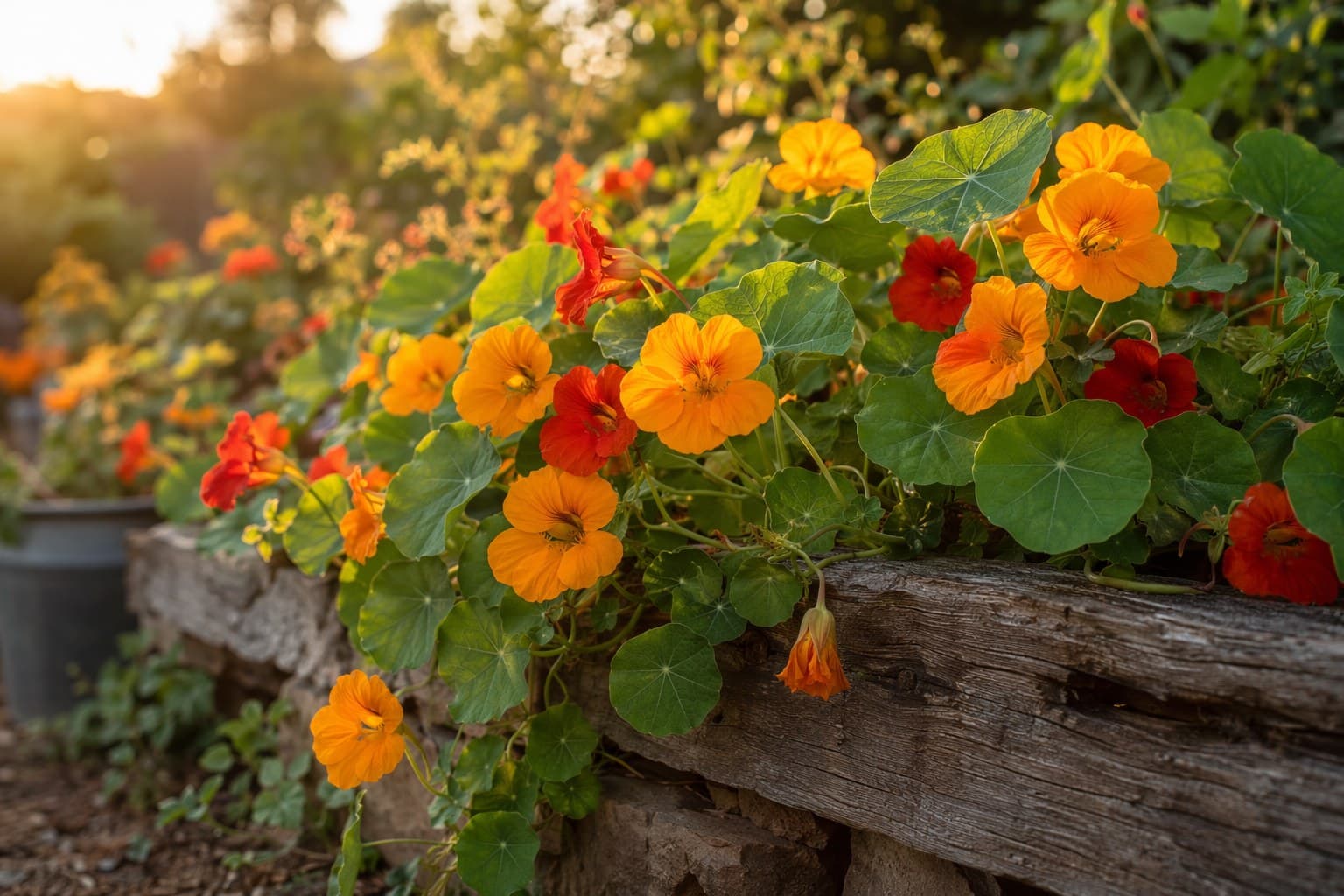
Nasturtiums are the showpiece and the easiest possible start. The seeds are large as peas, so even a toddler can plant them one at a time. The flowers are vivid orange, red, and yellow, the round leaves are pretty too, and everything above ground is edible with a peppery, watercress-like bite. They thrive in poor soil and full sun, which makes them gloriously low-effort. A packet of nasturtium seeds goes a long way, and the trailing varieties look beautiful tumbling out of a pot.
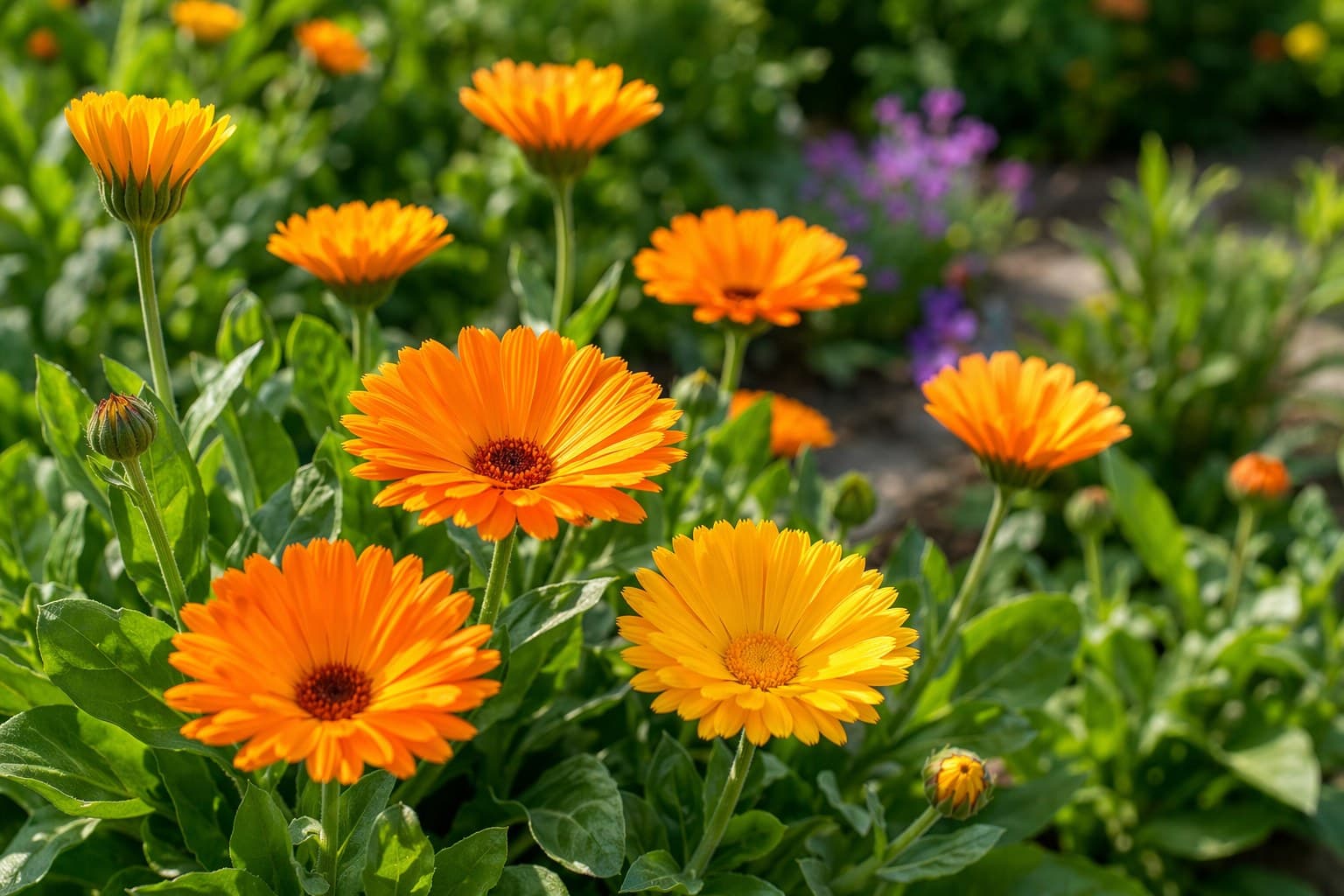
Calendula, often called pot marigold, germinates fast and blooms in cheerful orange and gold for months on end. The petals are mild and slightly earthy — historically used to color butter and rice, earning the nickname "poor man's saffron." Pick the flowers often and the plant rewards you with more. Look for organic calendula seeds so you know nothing has been sprayed on the petals you plan to eat.
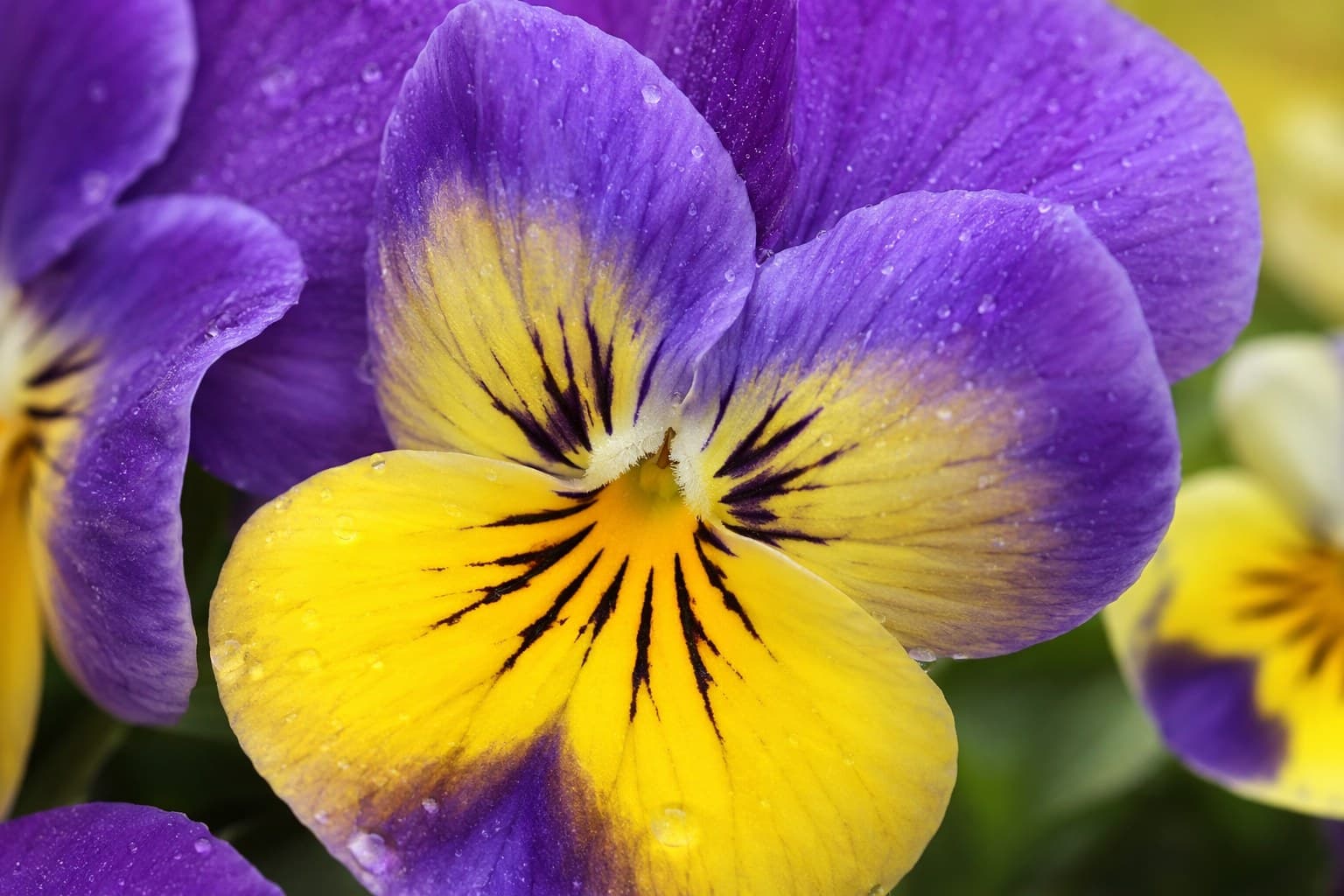
Violas and pansies are the gentle, sweet ones. Their faces are irresistible to children, and the petals taste faintly of fresh lettuce. They are slower from seed but bloom happily in cooler weather when other flowers sulk, extending your edible season at both ends. A packet of pansy and viola seeds covers a surprising amount of ground, and the blooms are small enough to scatter whole across a plate.
If you would rather not source these separately, a curated edible flower seed collection bundles safe varieties into one box and gives a child a menu to choose from — and choosing their own flower hands them real ownership of the project.
The One Safety Rule That Matters Most
This is the conversation to have before a single seed goes in the ground, and it is non-negotiable. Many common garden flowers are toxic — foxglove, sweet pea, daffodil, lily of the valley, oleander — and they grow right alongside the safe ones. A child cannot tell the difference by looking, and they should never have to.
So teach one firm, simple family rule from day one: we only eat the flowers a grown-up has named and said yes to. Not the pretty ones. Not the ones that look the same. Only the named, confirmed yes. Reinforce it that we never eat flowers from a florist, a roadside, or a neighbor's yard, because those are often sprayed with chemicals even when the species is edible.
Framed well, this is not fear — it is competence. You are teaching a child to identify, to ask, and to respect that the natural world is both generous and worth treating carefully. A good edible flower growing guide with clear photographs is a worthwhile reference to keep on the kitchen shelf, so a child can match the flower in their hand to the picture on the page and learn to confirm for themselves.
Planting Day, Step by Step
Set up outside or at a table with a tray underneath, and let go of any hope that this stays tidy. The mess is part of the work.
- Prepare the soil or pots. Nasturtiums and calendula are happy in a sunny garden bed or a large container with drainage. Use a real potting soil for pots, not yard dirt. Remember nasturtiums actually flower better in lean soil, so skip the fertilizer for them.
- Plant the seeds. Push nasturtium seeds about an inch deep, one per hole, spaced a hand's width apart — their size makes them perfect for a child planting each one deliberately. Scatter calendula and viola seeds more shallowly and cover lightly.
- Press and label. Have your child firm the soil and push in a label, saying each flower's name aloud as they go — a quiet literacy moment built right into the work.
- Water gently. A small, child-controllable kids watering can makes this the job they reach for first every morning. Water until the soil is moist, then stop.
- Wait and watch. Place everything in full sun. Nasturtiums and calendula will be up within a week or two — fast enough to keep even a four-year-old's faith.
The whole process takes about twenty unhurried minutes, exactly the kind of absorbing, screen-free project that connects beautifully with the wider nature-based learning across subjects we love weaving into ordinary days.
From Garden to Plate: Eating What You Grow
This is the step that closes the loop, and it is the one most people skip. Growing food nobody eats is a lesson half-learned. Plan, from the very start, to bring the flowers to the table.
Start with no-cook wins where the flower is the star:
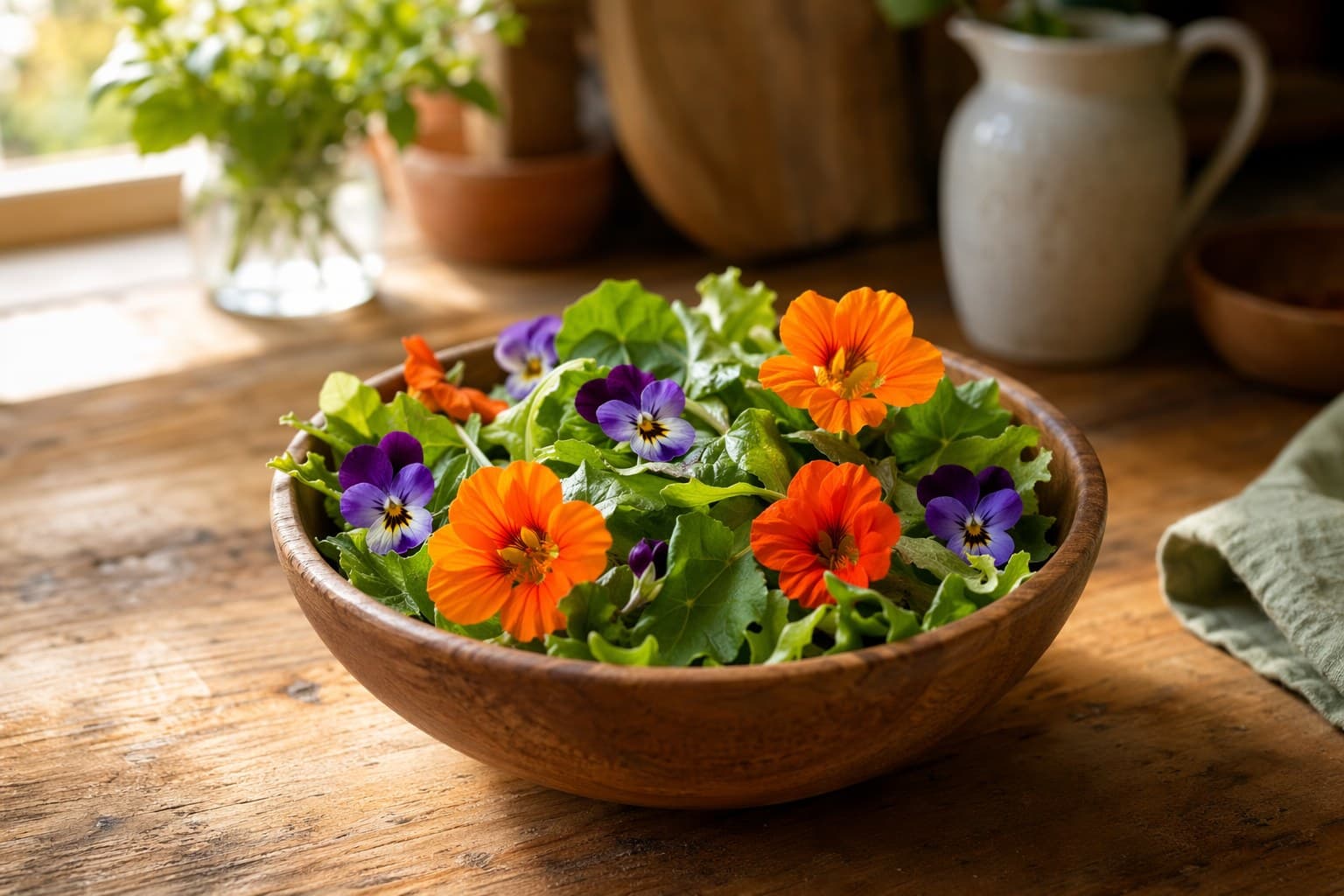
- Confetti salad. Scatter whole nasturtium and viola flowers across a green salad. The color alone makes children eat salad they would normally push away, and the peppery nasturtium against sweet viola is a real flavor lesson.
- Flower ice cubes. Freeze a single viola or calendula petal in each cube of an ice tray. Dropped into water or lemonade, they turn an ordinary drink into something a child is genuinely proud to have made and served.
- Petal butter. Mash chopped calendula petals into softened butter with a pinch of salt and spread it on warm bread, watching the gold streak through.
- Decorating duty. Let a child press whole flowers onto cream cheese toast, the top of a cake, or a bowl of yogurt. The flower goes on last, by them, as the finishing flourish.
The tasting itself becomes the activity. Try the three flowers side by side and ask your child to describe each — spicy, sweet, grassy — and you have slid sideways into a sensory science experiment. If that thread appeals, our roundup of easy kitchen science experiments for kids is full of the same low-supply, high-wonder spirit.
Start Small, Start This Week
You do not need a big bed or a perfect plan to begin. A single pot of nasturtiums on a sunny step is genuinely enough — large seeds a child can plant alone, fast color, and a peppery first taste within weeks. Plant it this week, teach the one safety rule, and hand over the watering can.
In a month or so you will be scattering homegrown flowers across a salad, watching a child eat greens without complaint because they grew the orange bits on top. That collision of beautiful and edible, of garden and plate, teaches something a worksheet never could: that the natural world is generous, that food can be lovely, and that knowing exactly what is safe to eat is its own quiet kind of power.
Frequently Asked Questions
- Which edible flowers are easiest to grow with kids from seed?
- Nasturtiums, calendula, and violas are the three most forgiving edible flowers for children. Nasturtium seeds are large, easy for small fingers to handle, and germinate in seven to ten days. Calendula sprouts almost as fast and blooms for months. Violas and pansies are slower from seed but nearly impossible to kill once established and bloom in cool weather when little else does. All three are genuinely safe to eat, which is the whole point of choosing them for a kids' garden.
- Are all flowers safe for children to eat?
- No, and this is the most important thing to teach. Many common garden flowers are toxic, including foxglove, sweet pea, daffodil, and oleander. Only eat flowers you have positively identified as edible, grown yourself without pesticides, and never eat flowers from a florist or roadside, which are often treated with chemicals. The firm family rule worth teaching from day one is simple: we only eat the flowers a grown-up has named and said yes to. That single habit keeps the activity safe.
- What do edible flowers actually taste like?
- It varies more than kids expect, which is half the fun. Nasturtiums are peppery and bright, a lot like watercress or arugula. Calendula petals are mild and slightly earthy, sometimes called poor man's saffron for the warm color they lend to rice and butter. Violas and pansies are gently sweet and grassy, almost like fresh lettuce. Tasting them side by side becomes a real lesson in describing flavor, and most children are genuinely surprised that a flower can taste spicy.
Enjoying this article?
Get more ideas like this delivered to your inbox every week.