Garden Prep for Families: Planning, Soil, and Seed Selection Guide
Late April is the ideal window to plan a family garden. This guide walks you through choosing a spot, testing and amending soil, building beds, and selecting fast-growing seeds kids will actually love watching come up.
By The Slow Childhood
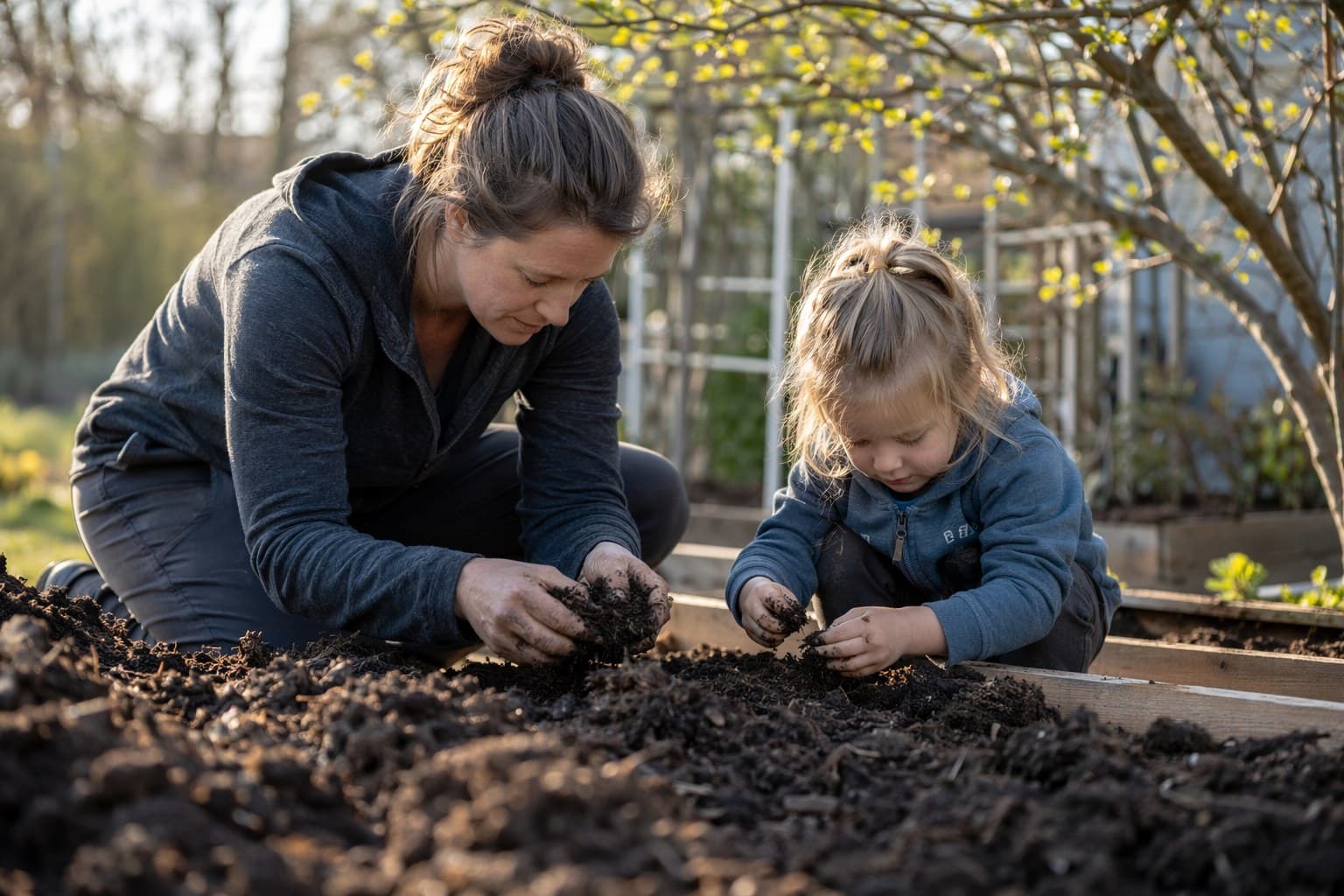
Garden prep is the quiet, unglamorous work that makes everything else possible — and late April is exactly the right time to do it with your kids. Before a single tomato ripens or a sunflower towers over a toddler, someone has to choose a sunny spot, loosen and feed the soil, build or top off a bed, and pick seeds that match both your climate and your children's attention spans. The good news is that none of this requires expertise or expensive equipment. It requires a weekend, a few simple tools, and a willingness to let small hands get dirty. This guide walks your family through the four foundations of a successful garden — site, soil, structure, and seeds — in the order you should tackle them.
Step One: Choose the Right Spot
Almost every garden disappointment traces back to one of two things: not enough sun or poor drainage. Before you think about beds or seeds, spend a day watching your yard.
Most vegetables and flowers need six or more hours of direct sunlight. Pick a morning and check your candidate spot every hour or two, noting when it is in sun and when it falls into shade. South- and west-facing areas usually get the most. Avoid the deep shade under large trees, which also steal water and nutrients with their roots.
Drainage matters just as much. After a rain, see where water pools and lingers — those low spots will drown roots. A slightly raised area, or a raised bed you build yourself, solves most drainage problems. Finally, choose a spot you will actually walk past every day. A garden you see is a garden you tend. If your family already enjoys outdoor nature activities, placing the garden along a path you already use makes daily watering and observation effortless.
Step Two: Test and Understand Your Soil
Soil is the part of gardening adults skip and kids love. The single most useful thing you can do before planting is run a quick test, and a basic home soil testing kit makes it a genuine science experiment your children can run themselves.
You are looking for two things:
- pH: Most vegetables thrive between 6.0 and 6.8. If your soil is far below 6.0 (acidic), garden lime raises it; if it is well above 7.0 (alkaline), elemental sulfur or peat lowers it. Add amendments gradually over weeks, not all at once.
- Nutrients: Test kits give a rough read on nitrogen, phosphorus, and potassium. Low numbers across the board usually just mean your soil needs organic matter.
While you have hands in the dirt, do the jar test with your kids: fill a clear jar one-third with soil, top with water, shake hard, and let it settle for a day. Sand sinks first, then silt, then clay on top, with organic matter floating. The visible layers teach soil texture better than any worksheet. Sandy soil drains fast and dries out; clay holds water and compacts. Both improve dramatically with the same fix — compost.
Step Three: Build Structure and Amend the Bed
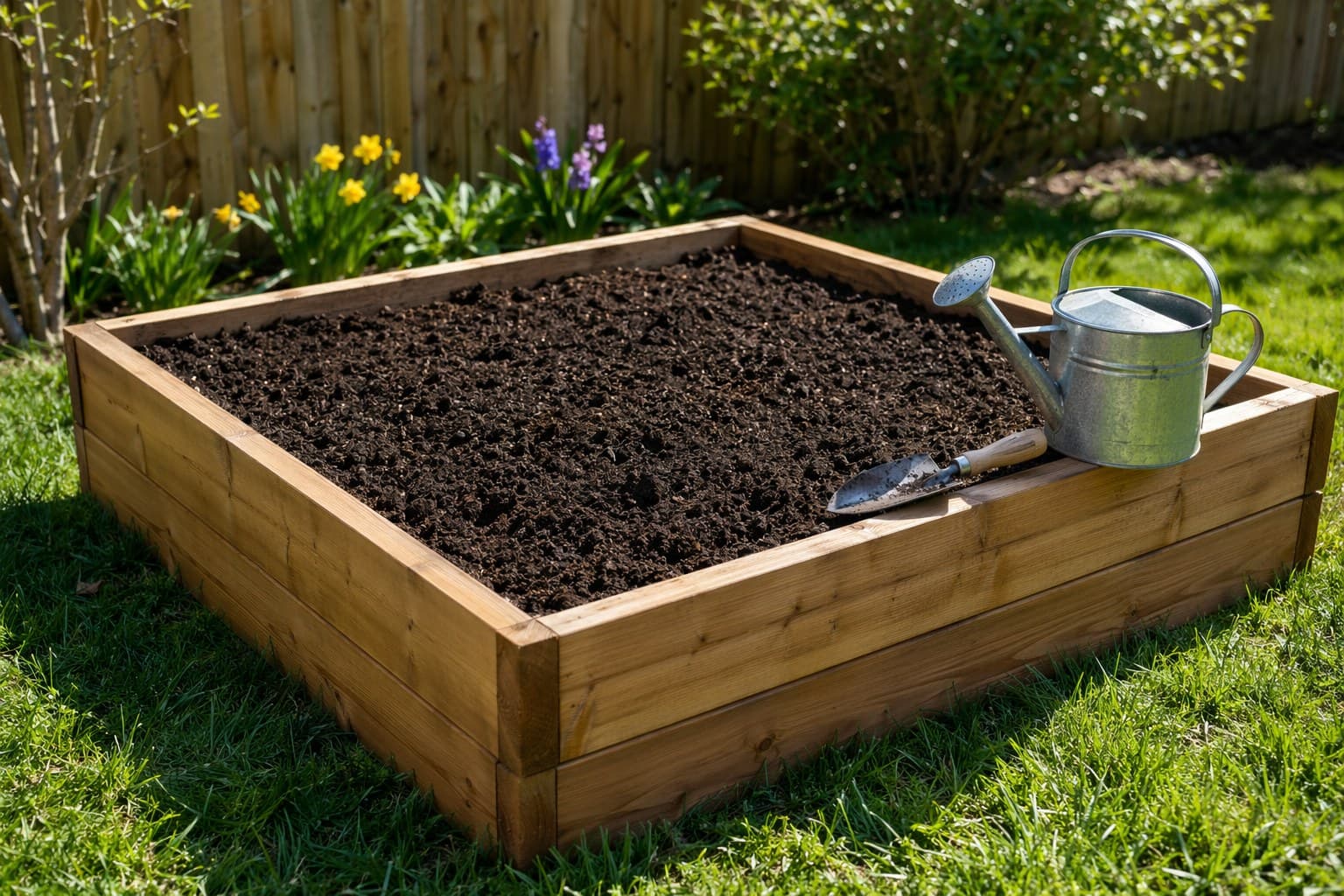
For a first family garden, a raised bed is the gold standard. The defined frame keeps the project manageable, the height is comfortable for short bodies, and you control the soil completely. A simple 4-by-4-foot raised bed kit assembles in an afternoon and gives a family of two or three children plenty of room without overwhelming anyone. If you are setting up a dedicated outdoor learning zone, the same thinking that goes into a budget homeschool room setup applies here: define the space, keep tools within reach, and make it genuinely the children's own.
Fill or top off the bed with a mix that is roughly half quality topsoil and half compost. Even an existing bed benefits from a fresh layer of garden compost and soil amendment worked into the top several inches each spring. Compost is the great equalizer — it loosens clay, helps sand hold moisture, and feeds soil life. Kids can pour, dump, and mix it in with their hands, which is half the fun.
This is also the moment to make sure everyone has a tool that fits their hands. Skip the flimsy plastic toys that snap on the first rock. A sturdy child-sized hand trowel set lets children dig, level, and plant alongside you instead of waiting their turn. Real tools, sized small, signal real responsibility.
Step Four: Select Seeds Kids Will Love
Seed selection is where children get to dream, and where you quietly stack the deck toward success. The principle is simple: choose seeds that are large enough for small fingers and fast enough to keep interest alive.
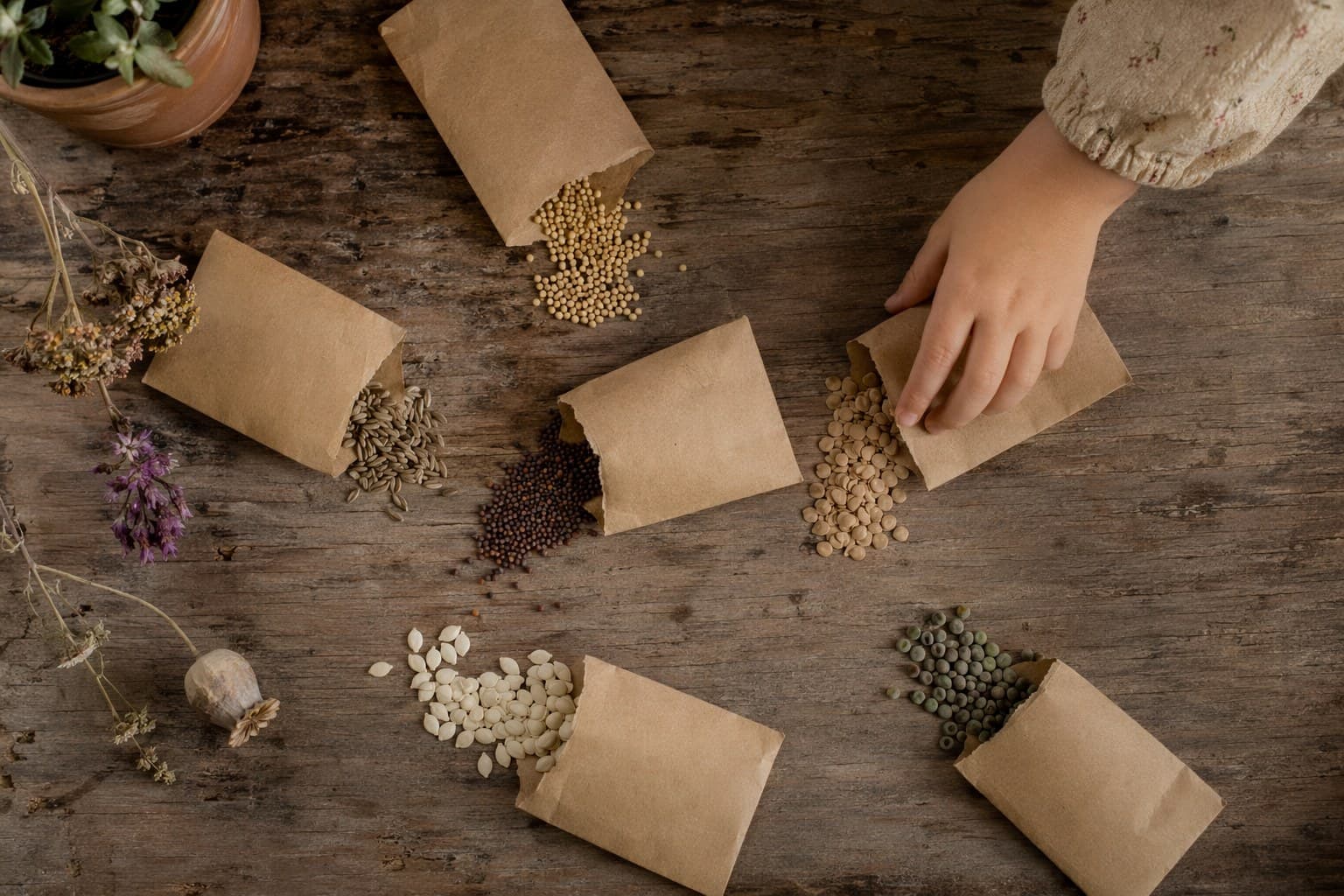
Order from a reputable seed company so germination rates are high — a packet of kid-friendly seed varieties from Johnny's Selected Seeds gives you proven performers rather than the leftover rack at the hardware store. Spread the packets across a table and let each child choose a few. The act of choosing builds ownership before a single seed goes in the ground.
Here is a reliable starting list by how the planting feels to a child:
- Big, easy seeds: sunflowers, sugar snap peas, bush beans, pumpkins. Easy to grasp, hard to plant wrong.
- Fast rewards: radishes (ready in under a month), lettuce (cut-and-come-again), zinnias (quick, bright, endless bouquets).
- The crowd-pleaser: cherry tomatoes, started indoors now or bought as a seedling, then picked warm off the vine all summer.
Have your children sort the packets into "plant now" (cool-season crops like peas, lettuce, and radishes that handle a light frost) and "wait for warm" (beans, sunflowers, squash, tomatoes that need warm soil). This sorting is a real botany lesson disguised as a sticker-style activity, and it slots neatly into the kind of nature-based learning across subjects that makes a garden so much more than a hobby.
Make a Simple Map Together
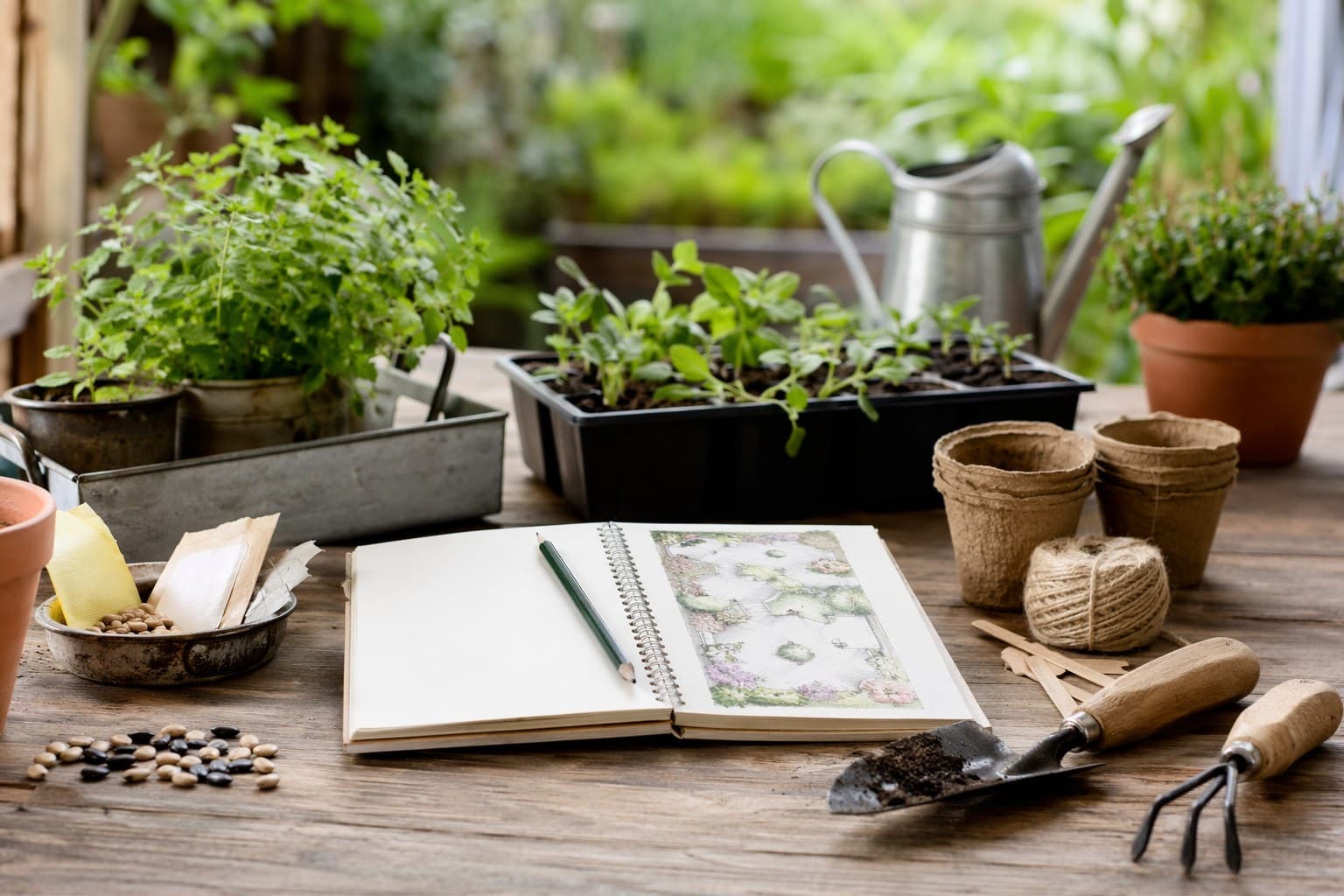
Before planting, sketch the bed on paper. Mark where the tall things go (sunflowers and pole beans on the north side, so they do not shade everyone else) and where the low things go (lettuce, radishes, herbs in front). Note spacing from the seed packets — most kid failures come from planting too close, then watching everything compete and sulk. A map turns abstract instructions into a plan children can follow, and it becomes the first page of a garden journal you can revisit at harvest.
A Realistic Late-April Weekend Plan
You do not need to do everything at once. Here is how a single prep weekend can flow:
- Saturday morning: Watch the yard, pick the sunniest, best-draining spot.
- Saturday afternoon: Run the soil test and the jar test. Let the jar settle overnight.
- Sunday morning: Build or top off the bed; mix in compost. Read the jar results.
- Sunday afternoon: Lay out seed packets, sort by season, sketch the map, and direct-sow your cool-season crops.
That is a complete foundation. The warm-season seeds and seedlings go in a few weeks later, once your last frost has passed and the soil has warmed.
Frequently Asked Questions
Can young toddlers really help with garden prep, or will they just make a mess? They will make a mess, and that is part of the value. Toddlers can carry small buckets of compost, drop large seeds into holes you have made, pat soil down, and water. Give them a defined job and a real tool, and the "mess" becomes meaningful work.
What if I have no yard at all? Garden prep scales down beautifully. Three to five large containers on a patio or balcony, filled with quality potting mix and compost, give children the full experience of soil, seeds, and growth. The only real change is that containers dry out faster and need daily watering.
How much should a first garden cost? Modestly. A raised bed kit, a few bags of compost, a soil test, a handful of seed packets, and one set of child tools will cover a first season for the price of a couple of takeout dinners. Most of it carries over to future years.
The Real Harvest
The vegetables and flowers are wonderful, but they are not the only return on this work. A child who helps test the soil, mix the compost, choose the seeds, and sketch the map is learning patience, planning, chemistry, and responsibility before anything has even sprouted. The prep weekend is where the season's curiosity takes root. Do this part well and unhurried, and the rest of the summer largely takes care of itself — one watering, one weed, and one proud discovery at a time.
Frequently Asked Questions
- When should I start preparing a garden with my kids?
- In most of the United States, late April through mid-May is the prime window. Soil has thawed and dried enough to work, daytime temperatures are warming, and your last frost date is usually just ahead. Use the few weeks before your last frost to test soil, build or top off beds, and start warm-season seeds like tomatoes indoors. Direct-sow cool-season crops (peas, lettuce, radishes) as soon as the soil can be crumbled in your hand without clumping.
- Do I really need to test my soil before planting?
- A simple test is worth the twenty minutes it takes. An inexpensive home soil test kit tells you your pH and rough nutrient levels, which explains a lot of mysterious garden failures. Most vegetables want a pH between 6.0 and 6.8. Knowing your numbers lets you amend intentionally instead of guessing. For kids, the test itself is a hands-on chemistry lesson with color-changing results they will remember.
- What seeds are easiest for children to plant and grow?
- Choose seeds that are large enough for small fingers and fast enough to keep interest alive. Radishes (25-30 days), sunflowers, sugar snap peas, bush beans, lettuce, and nasturtiums are the classic kid-proof choices. Big seeds like peas, beans, and sunflower seeds are easy to handle and forgiving if planted a little crooked or too deep. Save tiny, slow, or fussy seeds for a later season.
- How big should a first family garden be?
- Start small enough that the whole thing feels manageable on a busy week. A single 4-by-4-foot raised bed, or three to five large containers, is plenty for a first season. A small garden that gets tended beats a large one that becomes overwhelming. You can always expand next year once watering and weeding have become part of your family rhythm.
Enjoying this article?
Get more ideas like this delivered to your inbox every week.