May Activities Calendar: Seasonal Moments Worth Celebrating
A month-long May activities calendar for families — gardens, Mother's Day, May Day, Memorial Day weekend, and dozens of small seasonal moments worth marking with your kids, screen-free and unhurried.
By The Slow Childhood

There is a particular quality to a May evening that no other month offers. The light stretches long past dinner, the air is finally warm enough to leave the door open, and the yard hums with the first insects of the year. After the false starts of early spring, May arrives like a season that finally means it. And it moves fast. The lilacs that perfume the whole street one week are brown by the next; the strawberries appear and vanish; the fireflies show up exactly once and then become ordinary.
This is why we keep a May calendar. Not an over-scheduled one — the opposite, really. A loose, hand-marked list of seasonal moments worth pausing for, so the month does not slip past in a blur of ordinary Tuesdays. Below is the calendar we return to every year, organized by week, with the dates that matter in 2026 and the small rituals that make them land. Take what fits your family and leave the rest blank on purpose.
Why a Seasonal Calendar Beats a Packed Schedule
There is good evidence that family rituals matter. A long-running body of research, including a frequently cited 50-year review by psychologists Barbara Fiese and colleagues, links predictable family routines and rituals to better emotional regulation in children, stronger family identity, and a measurable sense of belonging. The key word is predictable, not busy. A child does not benefit from a calendar crammed with classes and outings. They benefit from knowing that on the first warm evening, the family walks to find fireflies, and that Grandma comes for Mother's Day, and that the garden goes in around the same week every year.
So the goal here is two to four anchor moments per week, most of them free, and large stretches of nothing in between. We mark ours in pencil on a single family calendar planner that hangs at kid height in the kitchen, so even our pre-readers can point to "the firefly day" with their own picture stickers. If you want a structured but flexible approach to the broader rhythm of the season, our guide to outdoor nature activities for kids pairs well with the dated moments below.
A few supplies make the whole month easier without turning it into a project. We keep a small nature journal for kids by the door, a sheet of activity stickers for marking completed days, and a packet of wildflower seeds ready to scatter the moment the soil warms. That is genuinely all the gear required.
Week One (May 1–7): May Day, Gardens, and Beginnings
May 1 — May Day. This is the oldest spring festival there is, and it makes a perfect kickoff. The traditional ritual is simple and entirely doable with small children: fill a paper cone or a recycled tin can with flowers, hang it on a neighbor's doorknob, knock, and run before they answer. Our kids find the "ring and run" element thrilling, and an elderly neighbor down the street now expects her May basket every year. If you have a yard, this is also the night to braid ribbons around a stick for a tabletop maypole.
The full Flower Moon (May 1). May's full moon is named for the abundance of blooms, and in 2026 it lands right on May 1. Step outside after bedtime — or stretch bedtime, just this once — and look up together. Naming the moons across the year is one of the easiest seasonal rhythms to start.
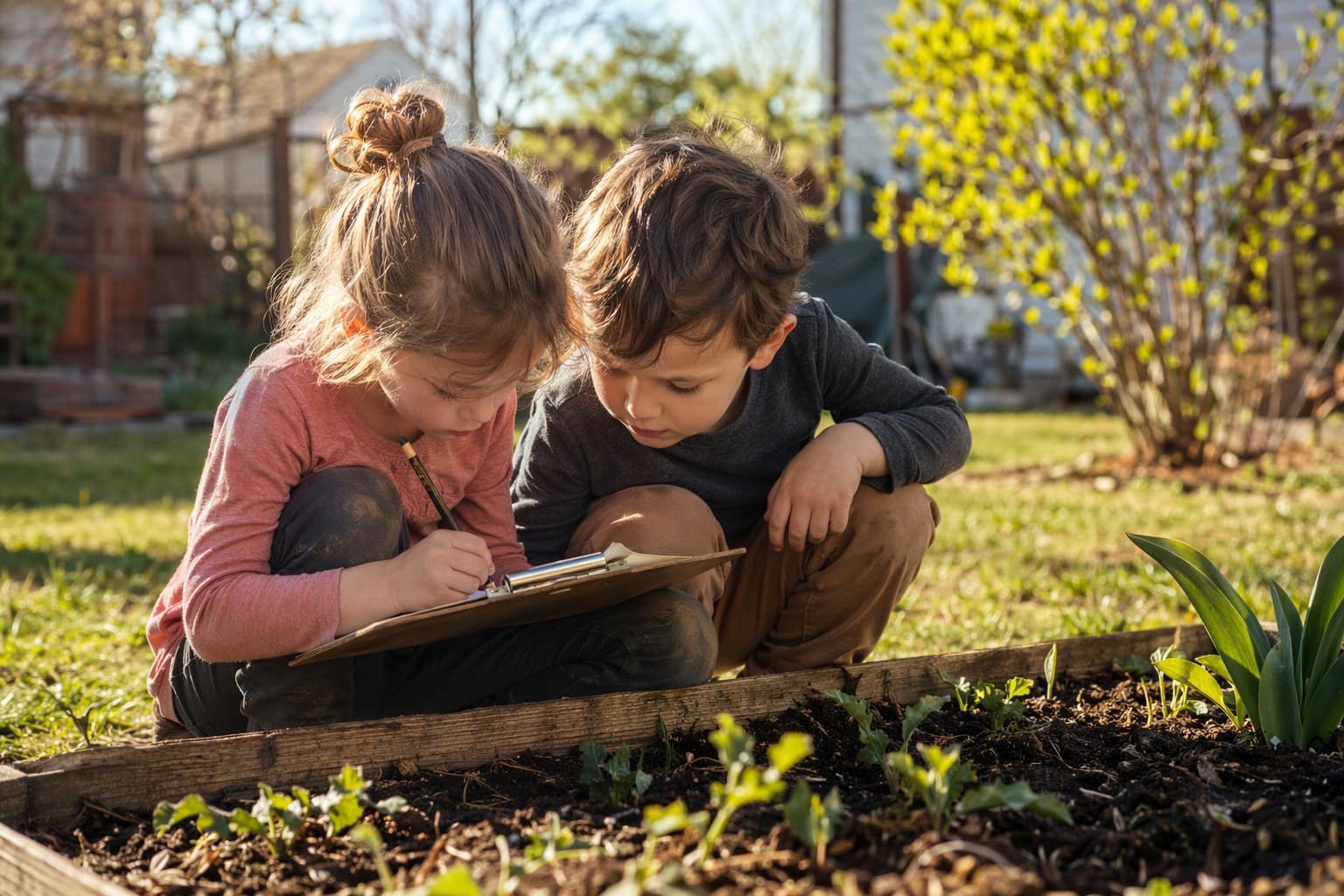
Get the garden in. For most of the country, the first week of May is the safe-to-plant window after the last frost. This is real, consequential work that children take genuine pride in, and it gives them daily responsibility for the rest of the month. Start fast-growing wins like radishes, beans, and sunflowers so there is visible payoff within weeks. We have a full beginner walkthrough in our guide to gardening with kids for beginners. Hand the youngest helpers their own child-sized garden trowel set and give them a patch that is truly theirs.

Week Two (May 8–14): Birds, Mothers, and the Family
May 9 — World Migratory Bird Day. Spring migration peaks in early-to-mid May across much of North America, and the second Saturday is the official global celebration. Set an alarm for the "dawn chorus" — the half hour after sunrise when songbirds are loudest — and sit on the porch with cocoa to listen. Keep a running tally of species in your nature journal. Most families are surprised to log 15 to 25 birds in a single backyard over the month.
May 10 — Mother's Day. Mark this one gently and make it about presence rather than gifts. Our favorite tradition is a child-led breakfast (toast counts) followed by an unhurried walk to pick whatever is blooming. If your kids want to make something, simple is best — a handful of pressed flowers in the nature journal, or a hand-drawn coupon book. For more doable, heartfelt ideas, see our roundup of Mother's Day gifts kids can make.
May 15 — International Day of Families. A quiet, underused date that is worth claiming. Use it for a family meeting on the summer ahead, a multi-generational video call, or simply a board game night with no agenda. It is a good annual checkpoint for asking the kids what they want this summer to feel like.
Week Three (May 15–21): The First Fireflies and Strawberry Season
By the third week, the season tips fully into early summer, and two of the year's best small moments arrive on their own schedule. The job here is not to plan but to notice.
Watch for the first firefly. In most of the eastern and midwestern US, fireflies emerge in mid-to-late May once nighttime temperatures hold above 50°F. Make a standing family rule: the first person to spot one calls everyone outside, no matter what. We mark the date every year on the calendar, and comparing it across years has become its own little phenology project.
Strawberry season. Local strawberries are at their peak and cheapest in May across the South and warming up everywhere else. A pick-your-own farm visit is one of the great low-effort outings of the month — kids eat their weight in berries, learn where food comes from, and you come home with enough to freeze. Follow up by mashing some for shortcake; the connection between the field and the plate is the lesson.
Plan the summer bucket list. With school winding down, this is the ideal week to dream up summer together. Sit down with the kids and brainstorm thirty screen-free things you want to do — our summer bucket list of screen-free ideas is a ready-made starting point. Writing it as a family builds anticipation and gives the long open days ahead a gentle shape.

Week Four (May 22–31): Memorial Day and the Turn Toward Summer
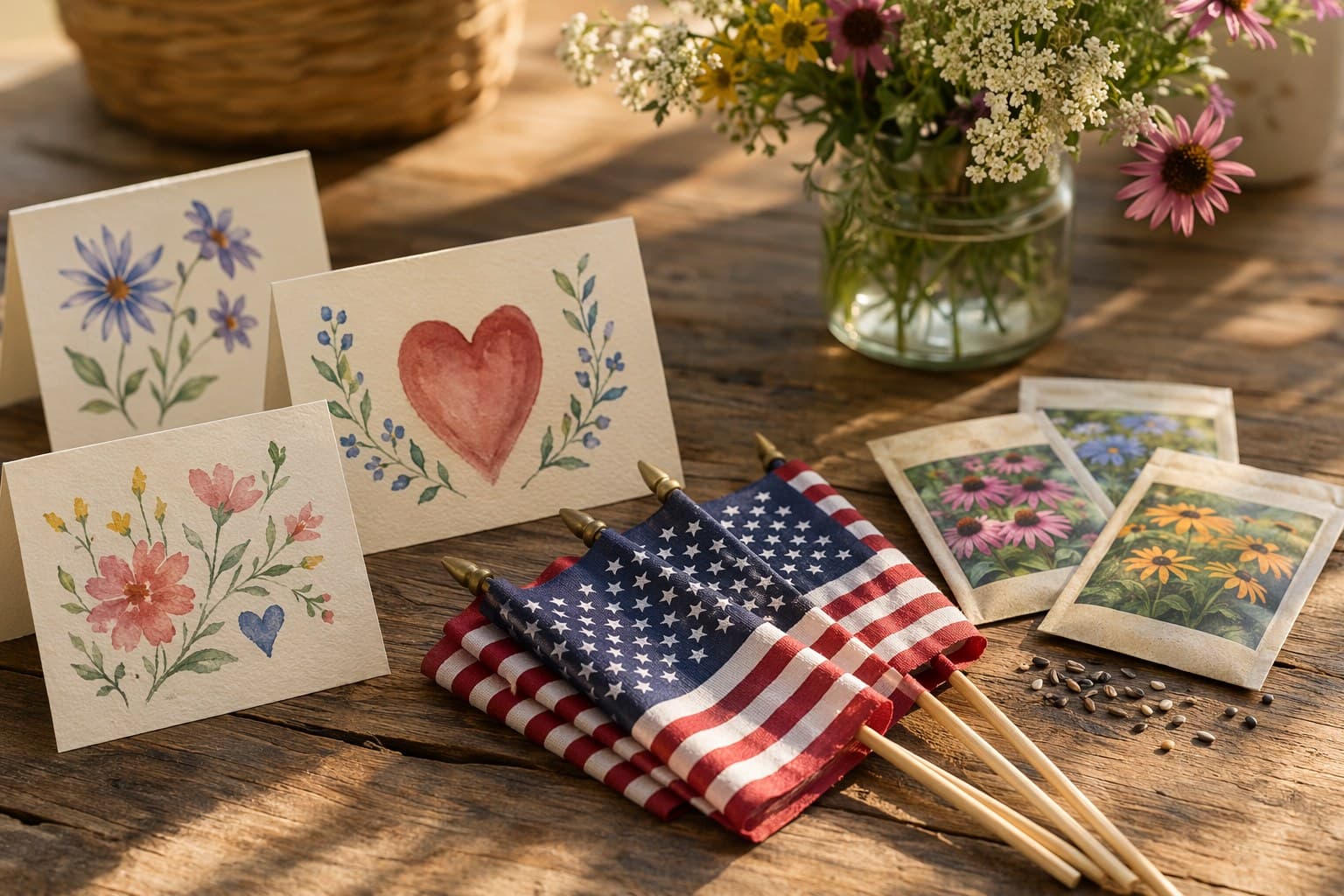
Memorial Day weekend (May 23–25). The long weekend unofficially opens summer, and it carries real meaning worth sharing with children at an age-appropriate level. We balance the fun with a small act of remembrance — placing flowers at a local memorial, or letting the kids make thank-you cards. Keep a sheet of nice card stock and craft supplies on hand for spontaneous card-making. The weekend itself is made for the first backyard campout of the year: a tent in the yard, a fire pit, and stories after dark.
A May Day basket, returned. Late in the month, the flowers you planted on May 1 are often ready for their first cutting. Closing the loop — scattering seeds at the start and gathering blooms at the end — turns the whole month into one continuous story that children can see and touch.
Mark the last day. On May 31, sit down with the calendar and let the kids add their stickers to every moment you actually caught — the first firefly, the May basket, the dawn chorus. This five-minute review is the part that makes next year's calendar feel worth keeping. It teaches kids to notice and name what mattered, which is the entire point.
How to Build Your Own May Calendar
You do not need our exact list. You need a method. Here is the one that has held up for us over several years.
- Choose your anchors first. Pick four to six fixed dates — Mother's Day, Memorial Day, a garden weekend — and write only those in pen. Everything else stays in pencil or on stickers.
- Add the watch-for moments. Leave blank, labeled spaces for the unscheduled arrivals: first firefly, first strawberry, first thunderstorm. These get filled in when nature decides, not when you do.
- Protect the white space. Aim to keep at least three afternoons a week genuinely empty. Boredom is where the best play comes from, a principle we lean on hard in our look at screen-free alternatives for kids.
- Make it visible and child-height. A calendar nobody can see does nothing. Hang it where small hands can point and add their own marks.
The calendar is not the goal. Connection is. The calendar is simply scaffolding that helps a busy family stop and notice the lilacs before they brown.

Let May Do the Teaching
The best months are not the ones with the most planned — they are the ones where you actually showed up for the small things. A firefly in cupped hands. A flower left on a doorknob. A grandmother hugged on a Sunday morning. Strawberry juice on a chin.
Mark a few of these on a calendar this week, then let the month carry you the rest of the way. May lasts thirty-one days and not one of them comes back. Open the door, look up at that Flower Moon, and let the season do what it has always done best — teach your children to pay attention.
Frequently Asked Questions
- What activities can families do in May?
- May is full of seasonal opportunities: planting a garden, celebrating May Day on the 1st, honoring Mother's Day on the second Sunday, watching for the first fireflies, going on dawn bird walks during spring migration, marking Memorial Day weekend with camping or community service, and simply spending long, mild evenings outdoors. The trick is choosing a handful of anchor moments rather than trying to do everything.
- How do I make a family activities calendar without over-scheduling?
- Aim for two to four anchor events per month and leave the rest of the days open. Write only the things you genuinely want to do, not obligations. Use a single shared paper calendar everyone can see, mark events in pencil so plans can shift, and protect at least a few unstructured 'nothing planned' afternoons each week. The calendar should reduce decision fatigue, not add pressure.
- What are the important dates in May 2026?
- Key 2026 dates include May 1 (May Day), May 5 (Cinco de Mayo), Mother's Day on May 10, the full Flower Moon on May 1, World Migratory Bird Day on May 9, and Memorial Day on Monday, May 25. International Day of Families falls on May 15. These dates make natural anchors for a family month.
- Why mark seasonal moments with young children?
- Predictable seasonal rhythms give children a sense of security and anticipation, and research on family rituals links them to stronger connection and emotional regulation. Marking small moments — the first strawberry, the first firefly, a May Day flower delivery — also builds attention and gratitude, teaching kids to notice the world rather than rush past it.
Enjoying this article?
Get more ideas like this delivered to your inbox every week.