Mother's Day for Non-Traditional Families: Inclusive Celebration Ideas
Mother's Day activities for non-traditional families — inclusive, personalized ways to honor stepmoms, grandmothers, aunts, two-mom homes, foster and adoptive families, and the women who mother in their own way.
By The Slow Childhood
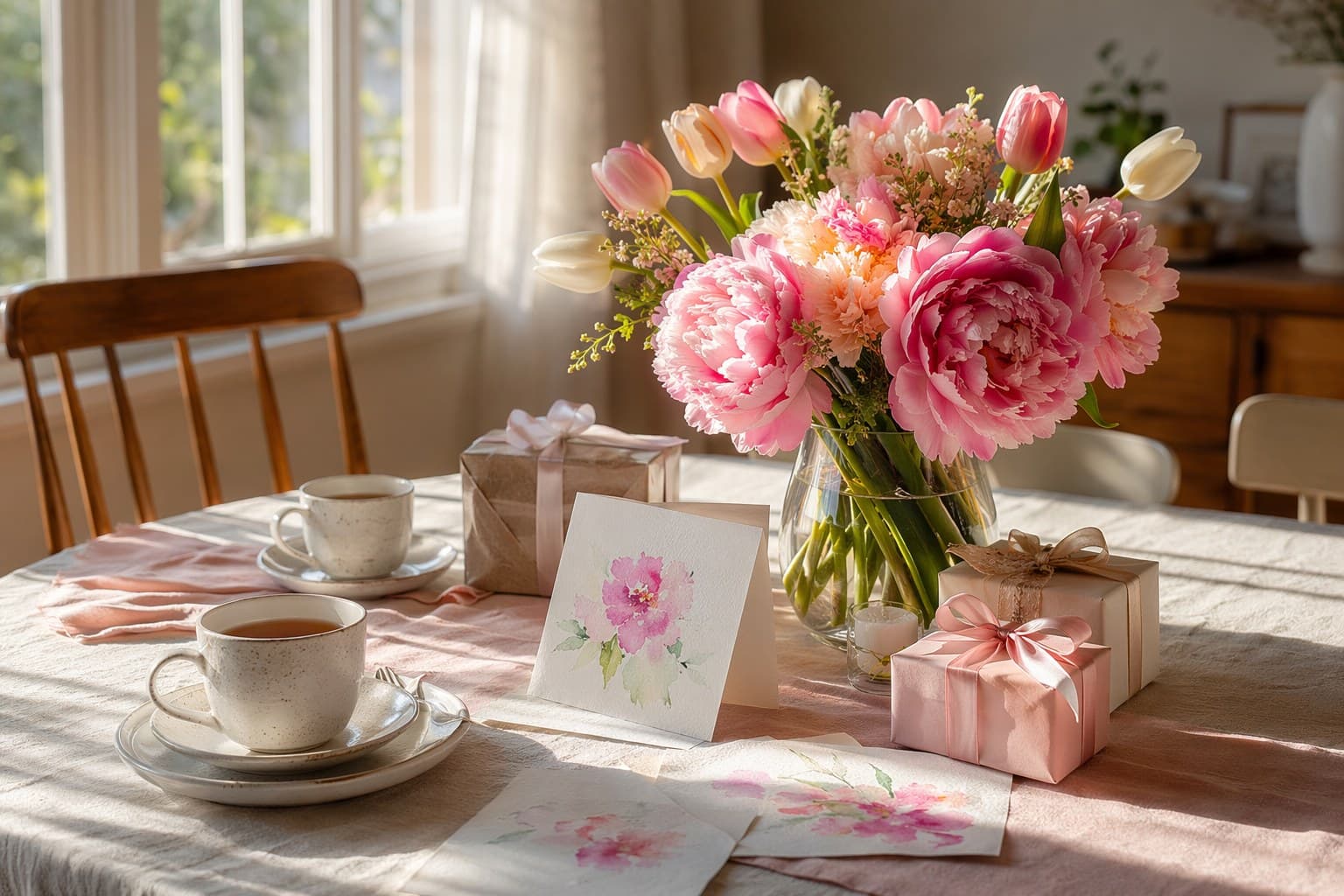
Mother's Day, which falls on May 10 this year, has a way of assuming everyone's family looks the same: one mom, one breakfast in bed, one card with a heart drawn on the front. But real families rarely fit that template. Some children have two moms. Some are raised by a grandmother, an aunt, or a stepmom who showed up and stayed. Some live in foster or adoptive families where the word "mother" carries a complicated, tender weight. Some are missing a mom this year, and the day aches more than it celebrates.
We have spent years thinking about how to mark the rhythms of the year in ways that include rather than exclude — the same way we approach our year-round seasonal crafts and traditions. Mother's Day deserves that same care. This is a guide to celebrating the women you love, whatever shape your family takes, with personal, slow, screen-free ideas and a few well-chosen gifts that hold up to the weight of the day.
Start by Naming Who You Are Honoring
Before you plan a single activity, get specific about who this day is for. The default script says "Mom," but your version might be "Grandma Rose," "Auntie," "Mama and Mommy," "Miss Carol next door who has been more of a mother than anyone." Saying the names out loud matters, especially for children who have felt the sting of a school craft project that assumed a mom they do not have.
If you are raising kids in a non-traditional family, have a quiet conversation a week or two ahead. Ask who they want to celebrate. You may be surprised — a child might name a teacher, a former foster parent, an older sibling who stepped up. There are no wrong answers. The point of the day is gratitude for being mothered, and mothering comes from many directions.
For families with two mothers, the single biggest mistake is collapsing both into one celebration. Splitting one breakfast and one card in half leaves both moms feeling like halves. Instead, give each her own moment — two cards, two small gifts, ideally two separate breakfasts on different mornings so each mom gets to be the star without dividing attention.
Inclusive Activities That Work for Any Family Shape
The best Mother's Day activities are the ones that adapt. Here are ideas that scale up or down depending on who is at your table and how many women you are honoring.
A Memory Interview
Sit the kids down with a notebook (or just your own memory) and ask them to record three specific things they love about the person being celebrated. Not "she's nice" — specific. "She makes pancakes shaped like dinosaurs." "She always knows when I'm sad before I say anything." "She taught me to whistle." Written on nice paper, this becomes the most treasured gift of the day, and it costs nothing. For a grandmother or aunt who does not get celebrated often, this lands especially hard.
A Family Walk With a Purpose
Take a slow walk together and collect something small for the woman you are honoring — wildflowers, smooth stones, an interesting leaf. Arrange them at home. This works beautifully for blended families because everyone contributes a piece, and no one is left out of the gathering. It is the same spirit as our simple nature games for families — low-stakes, screen-free, and connective.
Cook or Bake Her Favorite Thing
Food is one of the most direct love languages, and it folds in children of every age. Little ones stir and pour; older kids manage the recipe. If you are honoring a mom who has passed, making her signature dish becomes a gentle ritual — a way to keep her at the table. For families with two moms, let the kids cook each mom's favorite on her respective morning.
A Slow Game Afternoon
After the gifts and the meal, a long unhurried afternoon of family board games with no screens keeps everyone in the same room, laughing, with no one staring at a phone. Cooperative games work best for mixed-age, mixed-energy groups where the goal is connection rather than competition.
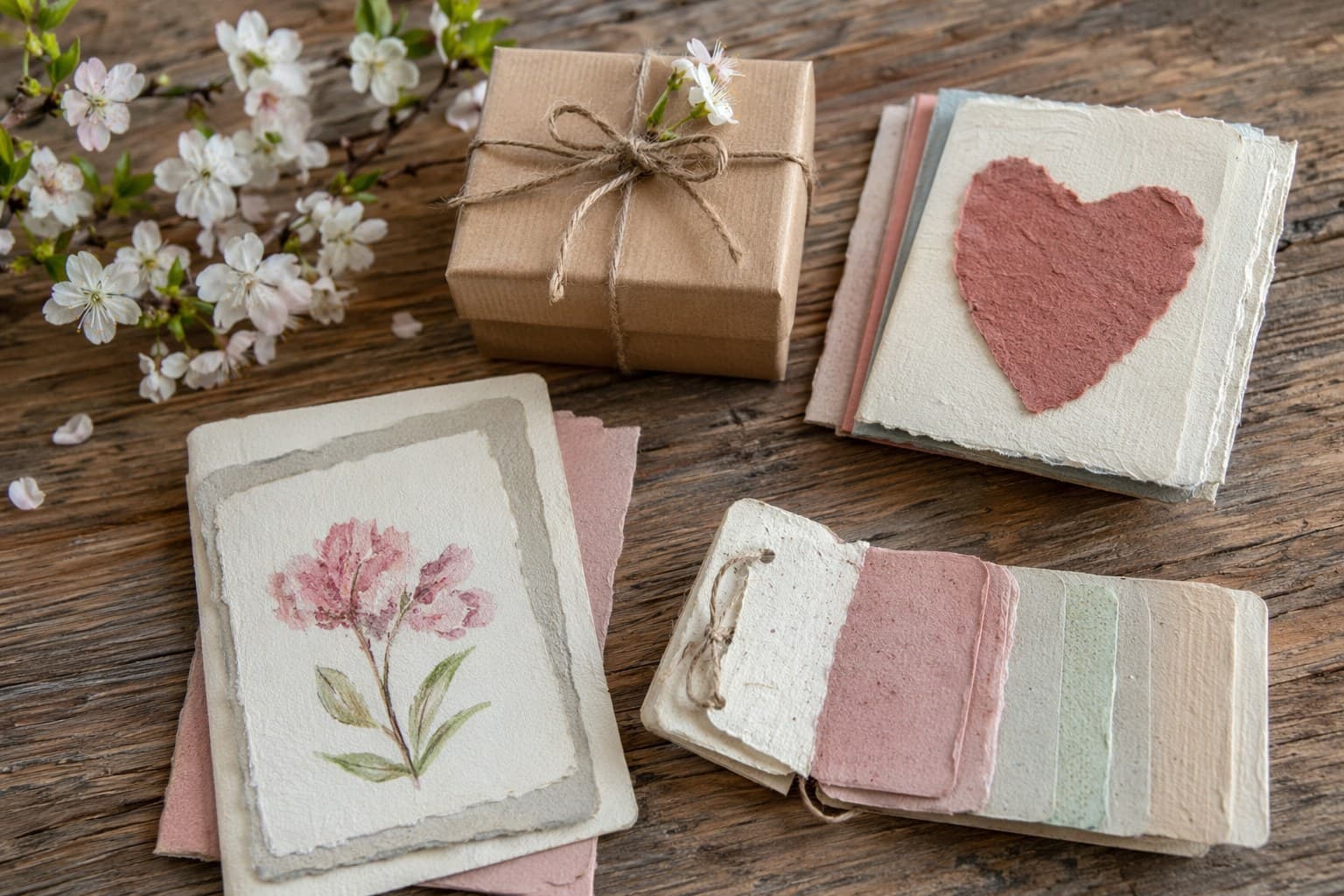
Personalized Gifts That Carry the Child's Fingerprints
Store-bought-but-personal is the sweet spot for Mother's Day. You want something durable enough to keep, but with enough of the child's effort that it becomes a keepsake rather than a transaction. These five gift types all combine a simple base with hands-on participation, which is exactly what makes them meaningful — and they work just as well for a grandmother, stepmom, or aunt as they do for a mom.
A Photo Mug the Kids Help Design
A morning coffee mug printed with a family photo gets used every single day, which is the whole point — it keeps the moment present all year. A personalized photo mug kit lets children help choose the picture and, in some kits, add their own drawing or handwriting. For a two-mom household, print one mug for each mom with a photo that is specifically about her relationship with the kids. Expect to pay around fifteen to twenty-five dollars, and look for dishwasher-safe printing so the image does not fade after a month.
A Spa Set for the Woman Who Never Rests
If you are honoring someone who pours herself out constantly — a grandmother raising grandkids, a foster mom, a single mother doing the work of two — the gift that actually serves her is rest. A thoughtful spa gift set with bath salts, a candle, and lotion gives permission to stop. Kids can add the human element by writing a coupon for "one hour where I will be quiet so you can take a bath." That pairing — the product plus the promise — is what makes it land.
A Candle the Kids Pour Themselves
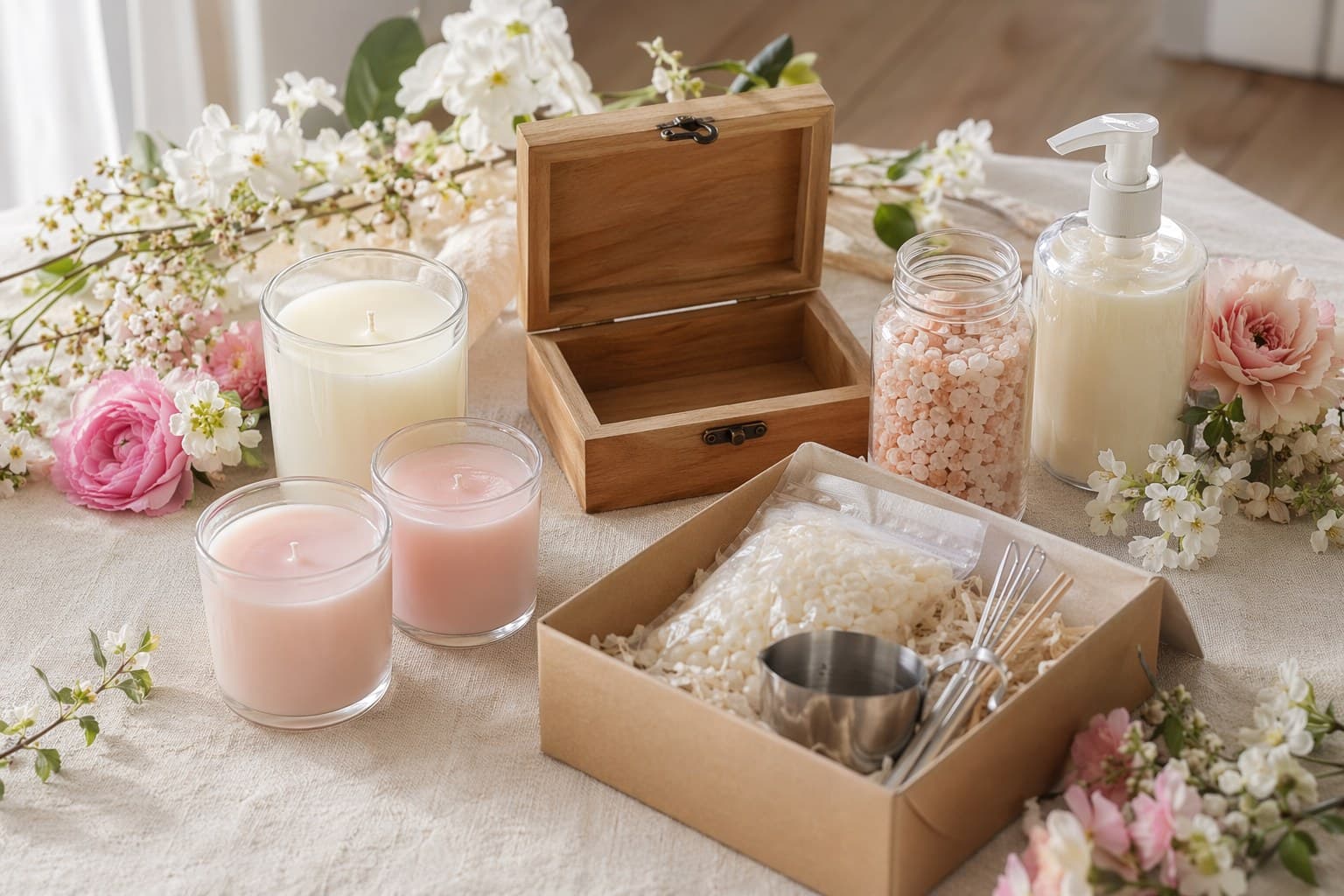
There is something quietly powerful about a gift the children genuinely made. A candle making kit turns into a craft afternoon and a finished present in one. Kids choose the scent and pour the wax (with supervision near the hot wax), and the recipient lights something her children created with their own hands. This is our favorite kind of gift because the making is half the celebration. If you want more of this energy, our roundup of the best Mother's Day gifts kids can make goes deep on the handmade end of the spectrum.
A Jewelry Box to Hold Small Treasures
For a keepsake that grows more meaningful with time, a personalized jewelry box — engraved with initials or a short message — becomes the place she keeps the tiny things that matter. Over the years it fills with the kids' baby teeth, a first drawing, a folded note. For an adoptive or foster mom, an engraved box can quietly mark the date a family became a family, a detail that means everything to a child who needs to know they belong.
An Experience Instead of an Object
Some of the women we love do not want more things. For them, an experience gift certificate — a pottery class, a botanical garden membership, a massage, a cooking workshop — gives time and memory rather than another object to dust. Better yet, choose an experience the child can share: a parent-and-kid baking class, a day at a conservatory. The gift becomes a future afternoon together, which is the thing most moms actually want.
When Mother's Day Is Hard
Not every child wakes up on May 10 feeling celebratory. A child who lost a mother, who is estranged from one, who is newly in foster care, or who is navigating a complicated step-relationship may feel the day as a wound rather than a party. Pretending otherwise does not help.
The most loving thing you can do is follow the child's lead and lower the stakes. If a child wants to remember a mom who has passed, make space for a small ritual — light a candle, look through a photo album, cook her favorite meal, or write her a letter that you tuck away. If a child does not want to participate in a school craft, talk to the teacher ahead of time; most are glad to offer an alternative like making a card for any caring adult.
For foster and adoptive families, the day can hold two truths at once: love for the parent who is present, and grief or curiosity about a birth mother who is not. You do not have to resolve that tension. You can simply acknowledge it. "It's okay to think about your first mom today, and it's okay to celebrate the family you're in now." Children are relieved when adults name the complicated feeling instead of papering over it.
And if you yourself are the one mothering through loss, exhaustion, or a path you did not expect — a grandmother who became a parent again, a single dad doing the work of two, a woman whose own mother is gone — let the day be smaller and gentler than the cards suggest. A quiet morning, a real cup of coffee, one honest "thank you" is enough.
A Simple Plan for the Morning
If you want a loose structure to lean on, here is a rhythm that works across almost any family shape. Adapt it freely.
- The night before: Set out the handmade cards and any gifts where they will be found. Prep breakfast ingredients so the morning is calm rather than frantic.
- The morning of: Start slow. Breakfast first, gifts second. Let the kids hand over what they made and read their memory notes out loud.
- Midday: A walk, a bake, or a low-key outing built around what the honored woman actually enjoys — not what a commercial says she should want.
- Afternoon: Quiet, connected time. A long game, a nap, a movie if that is genuinely restful for her. The point is presence, not productivity.
- For two-mom or multi-mother families: Repeat the breakfast-and-gift ritual on a second morning so each woman gets her own undivided turn.
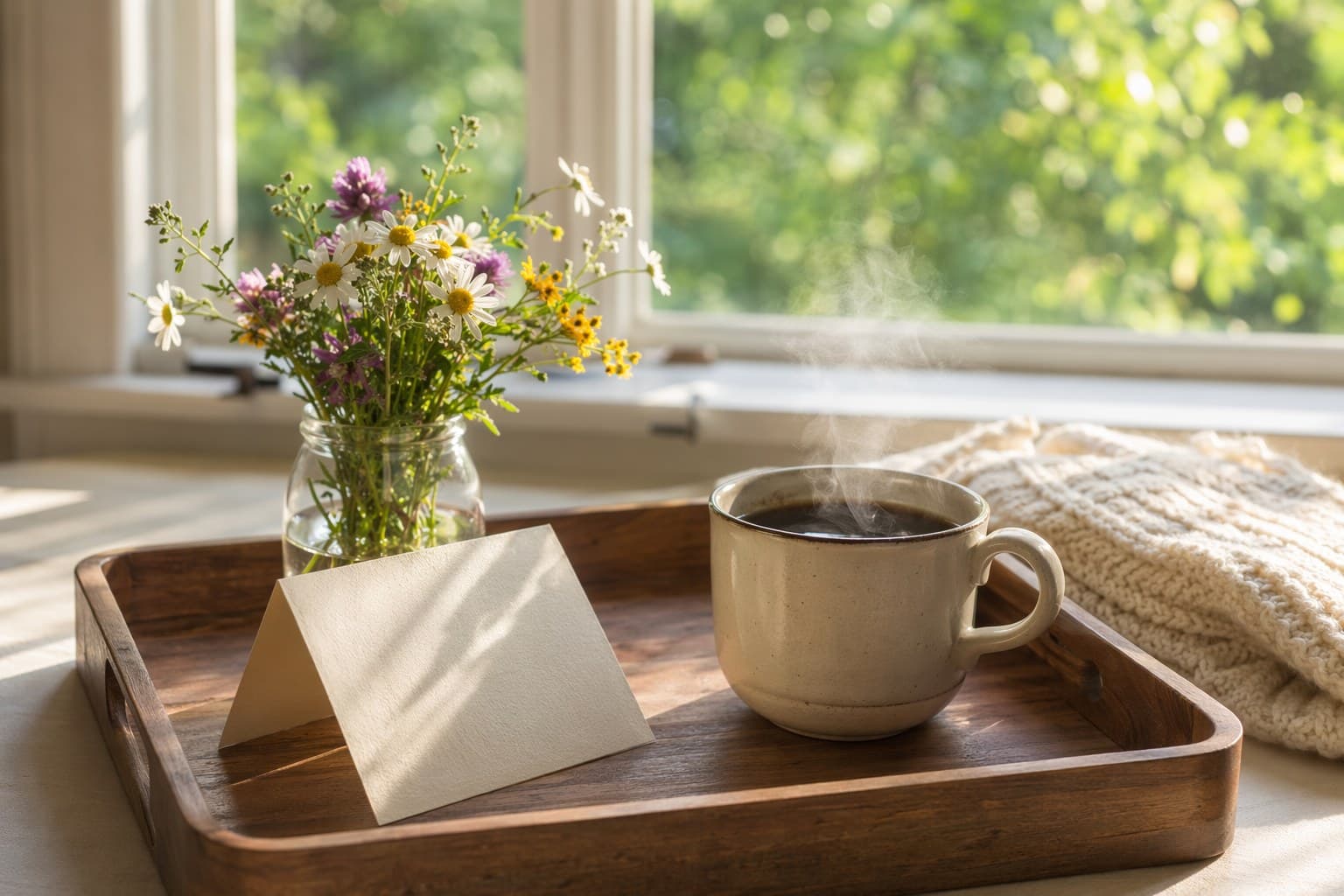
The Real Point of the Day
Mother's Day was never actually about a single mold of motherhood. It is about honoring the people who do the relentless, invisible, world-shaping work of raising someone — feeding them, worrying about them, showing up day after ordinary day. That work happens in two-mom homes and single-dad homes, in grandmother-led families, in foster placements, in the steady love of an aunt or a neighbor.
So this year, skip the assumption that the day has to look a certain way. Name the women you love. Make something with the kids. Give a gift that carries a fingerprint. And if the day is tender, let it be tender. The women in your family will remember the specificity far longer than the price tag — the dinosaur pancakes, the candle the kids poured, the note that named exactly why they are loved. That is a celebration any family can have.
Frequently Asked Questions
- How do you celebrate Mother's Day in a family with two moms?
- Give each mom her own moment rather than splitting one celebration in half. Plan two breakfasts on different mornings, two handmade cards, and two small personalized gifts so neither feels like an afterthought. Many two-mom families also create a shared family ritual — a hike, a special meal, a yearly photo in the same spot — that honors both parents together. The goal is that each mother feels individually seen, then celebrated as a team.
- What can kids do for Mother's Day when their mom is not present?
- Honor the women who do the mothering. A grandmother, aunt, stepmom, foster mom, or close family friend can be the center of the day. Kids can make a card, plant something together, or write down three specific memories. If a child wants to remember a mom who has passed, a small ritual helps — lighting a candle, looking through photos, or making her favorite recipe together. Follow the child's lead and keep it low-pressure.
- What are good personalized Mother's Day gifts that kids can help make?
- The most meaningful gifts carry a child's fingerprints. A photo mug printed with a family picture, a candle the kids poured themselves, a small jewelry box decorated by hand, or a coupon book of helping tasks all combine a quality keepsake with genuine effort. Pair a simple store-bought base — a plain candle kit or a wooden box — with the child's decorating and a handwritten note, and you get a gift that lasts well beyond the day.
Enjoying this article?
Get more ideas like this delivered to your inbox every week.