Best Kids Easel and Art Station Setup Guide (2026)
How to set up a kids art station that gets used daily — the best easels by age, storage solutions, must-have supplies, and the key principles that make art happen.
By The Slow Childhood
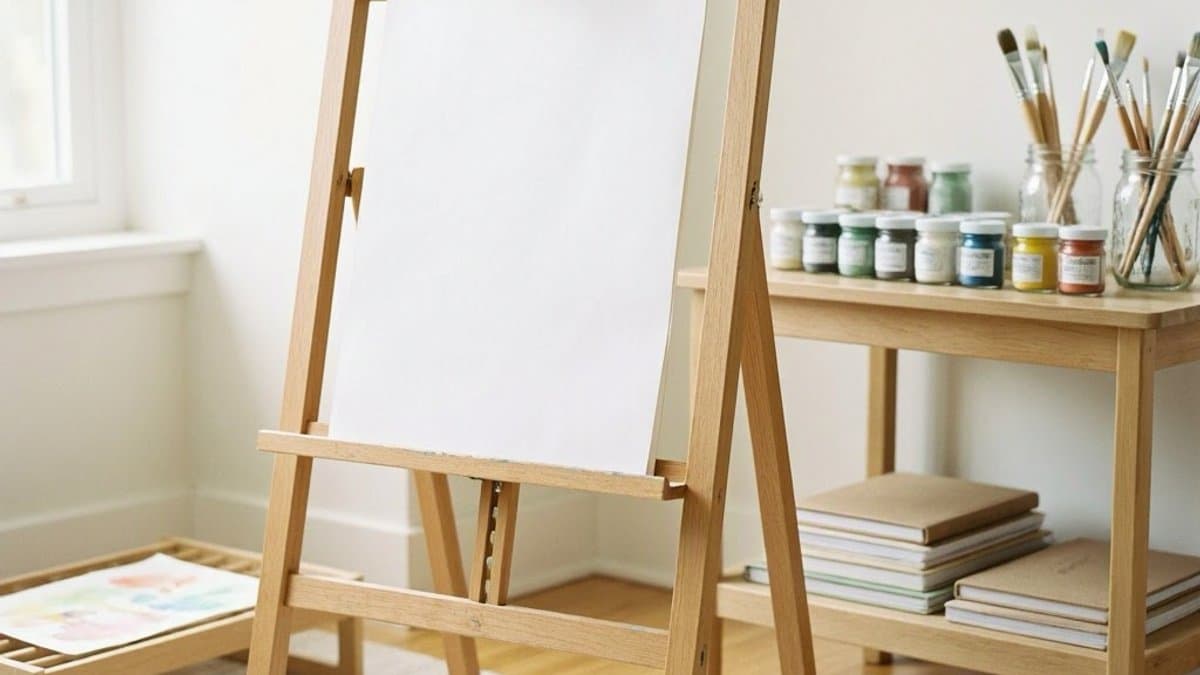
The difference between a child who makes art occasionally and a child who makes art daily is almost never about talent, interest, or personality. It is about access. A child with a dedicated, always-ready art space where supplies are visible and inviting will make ten times more art than a child who has to ask an adult to pull materials down from a high shelf before every session.
An art station does not need to be elaborate or expensive. We have seen rich, productive art spaces made from a card table and a shelf, and we have seen $500 art armoires that gathered dust because they were too fussy to use. The principles below matter far more than any specific product: accessibility, organization, containment, invitation, and routine.
This guide covers the easels, furniture, storage, and supplies that actually work in real homes with real kids, plus the underlying principles that make any art station succeed.
The Core Principles
Before specific products, understand what separates an art station that gets used from one that gets ignored.
Accessibility
Children need to be able to get supplies and start making art without adult help. If they have to ask for markers every time, they will ask less often. Design the space so that everything a child needs is within their reach, visible, and inviting.
Rotation
Having everything out all the time leads to two problems: overwhelm and over-familiarity. A space with six well-curated activities will be used more than a space piled with sixty. Rotate supplies weekly or monthly — put most away, display a thoughtful selection, and refresh regularly.
Containment
Accept that art will be messy. Contain the mess rather than trying to prevent it. A washable drop cloth, a hard-surface floor, smocks, and a kid-height wipe-down routine make the mess manageable. Parents who are constantly stressed about mess inadvertently discourage art-making.
Invitation
An art station should look inviting. Well-organized supplies, a clean surface, good light, and a few displayed inspirations (a child's own work, a beautiful book about art, a print of a favorite painting) invite daily engagement. Chaos and clutter, by contrast, repel children just as much as adults.
Routine
Build cleanup into the art-making process. Supplies go back before new ones come out. The surface gets wiped at the end of each session. This is not about being strict — it is about teaching that caring for materials is part of being an artist.
Best Easels by Age
For Toddlers (Ages 2-4)
Toddlers benefit from low, sturdy, chalkboard-and-paper-roll easels. The simplicity is a feature — limited options mean they can start making marks immediately without decision fatigue.
Best overall: The Melissa & Doug Easel is the classic choice for good reason. Chalkboard on one side, magnetic whiteboard on the other, with a paper roll holder and supply trays. It adjusts from 33 to 42 inches, which covers ages 2-6. The wood construction is genuinely sturdy.
Price: $80-100
Best budget: The Hape All-in-One Wooden Easel is similar in features to the Melissa & Doug at a slightly lower price point. Quality is very comparable.
Price: $65-85
For Preschoolers to Early Elementary (Ages 4-7)
At this age, children benefit from easels that support a wider range of media — tempera paints, watercolors, markers, and drawing. Adjustable height becomes important as children grow quickly.
Best overall: The KidKraft Deluxe Wood Easel is taller (44 inches when fully extended), fully adjustable, and has generous supply trays on both sides. The quality is notable — many families use theirs for 5+ years with multiple children.
Price: $100-130
Best for small spaces: The IKEA MÅLA Easel (about $60) is compact, folds for storage, and includes a paper roll. It is sturdier than the price suggests. Not available on Amazon but widely recommended.
For School-Age Children (Ages 7-12)
Older children often graduate from kids' easels to adult-style easels, especially if they are serious about drawing or painting.
Best first adult easel: The US Art Supply Lyre Easel or a similar wooden lyre-style easel. These hold canvases from small to medium, adjust to a child's height, and let children use real canvases for painting. They feel serious — which is exactly what older children appreciate.
Price: $40-70
Best tabletop: The Mont Marte Tabletop Easel works for older children who prefer to sit while drawing. It folds flat for storage and works with sketchbooks, canvases, or drawing boards.
Price: $25-40
Art Table Alternatives
If you do not have space for a standing easel, or if your child prefers to sit, an art table can be just as effective.
The IKEA FLISAT Children's Table
The IKEA FLISAT table (and its matching FLISAT stools) has become a staple in homeschool and art spaces for good reason. The surface is the right height for children ages 3-8, the wood is sturdy, and you can add trofast bins underneath for instant organized storage.
Mid-Century-Style Kids Tables
The Melissa & Doug Wooden Table and Chairs or similar kid-sized wooden tables from Amazon work well for art stations. Look for washable or sealable surfaces and sturdy construction.
Price: $80-150 for table and chairs
Repurposed Furniture
An old coffee table, a low bookshelf laid on its side, or a small dining table can all become art tables with a coat of paint and a washable surface (consider a plexiglass sheet cut to size, or adhesive shelf liner). This is the most budget-friendly option.
Storage Solutions
Organization is what separates a sustainable art station from one that collapses into chaos within a month.
Essential Storage Pieces
Clear acrylic art supply organizers — Visible storage means children can find what they need. Dividers let you sort markers by color, separate colored pencils from crayons, and keep scissors, glue, and tape accessible.
Rolling art cart — A 3-tier rolling cart is the single best piece of storage for a home art station. Top tier for active supplies, middle for paper and sketchbooks, bottom for paint, wet media, and bulky items. The wheels let you roll it out when needed and tuck it away when not.
Paper storage tray — Stacked paper storage keeps different sizes and types (watercolor, construction, copy, sketch) organized and prevents the chaos of papers scattered everywhere.
Small mason jars or pencil cups — For displaying sets of colored pencils, markers, and brushes. Visibility invites use.
Drying and Display
Drying rack — A classroom-style drying rack with multiple shelves saves counter space and prevents wet paintings from being ruined. Worth the investment if you do a lot of painting.
Display line with clothespins — A simple string hung across a wall with mini clothespins makes a charming rotating gallery for children's work. Inexpensive, easy to refresh, and visible celebration of their art.
Art portfolio folders — For keeping finished work that children want to save. Rotate pieces from the display line into the portfolio, then periodically review to keep favorites and let others go.
Essential Supplies for the Art Station
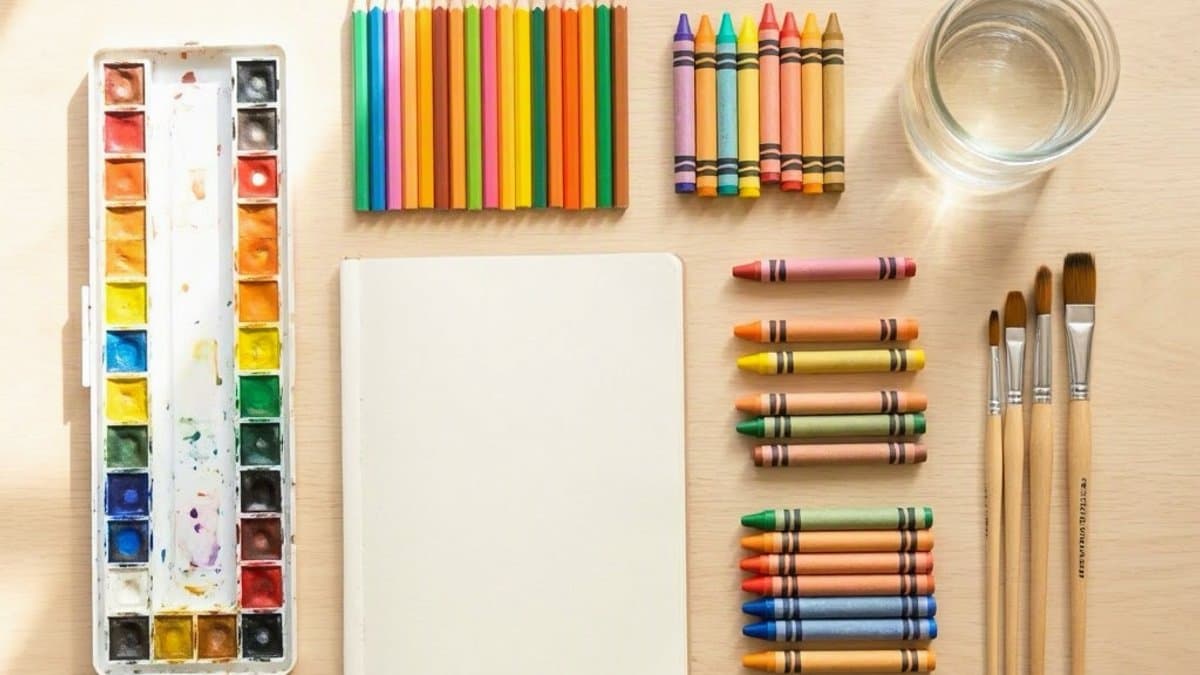
For the complete list of quality art supplies, see our best art supplies for kids guide. A basic art station needs:
- Stockmar or Crayola crayons
- Colored pencils
- Watercolor paints
- Paintbrushes
- Drawing paper and watercolor paper
- Sketchbooks (one per child)
- Kid-safe scissors
- Glue sticks
- Washable markers
- Smocks or old t-shirts
- Tape (washi, masking, and clear)
Art Station Setup for Different Spaces
Dedicated Room Corner
If you have a room corner to dedicate:
- Easel against the wall
- Small table nearby for seated work
- Rolling cart with supplies
- Display line on the wall above
- Drying rack in the corner
- A washable rug underneath the whole area
Shared Family Room
If your art station shares space with family life:
- Rolling cart that tucks into a corner when not in use
- Easel that folds or a tabletop easel
- Wall-mounted supply organizer above a small table
- Washable rug under the table for spills
- Portfolio storage under the table
Very Small Spaces
If space is truly limited:
- Wall-mounted paper roll holder over a chair or stool
- A single basket or caddy with core supplies
- Art happens on the kitchen table with a drop cloth
- A tabletop easel that stores flat in a closet
- Portable art box that comes out on request
The physical setup matters less than the principle — every space can become an art space with the right approach.
Making the Station Actually Get Used
A beautiful art station that sits untouched is worse than a messy one that gets daily use. To make yours get used:
Model art-making yourself. Children who see adults drawing, painting, or sketching pick up the habit naturally. You do not need to be good — just visible.
Leave out "provocations." A new color of paper, an interesting leaf, a feather, a photo — anything that invites investigation. This is a Reggio Emilia principle that transforms art spaces into wonder spaces.
Keep sessions child-led. Resist the urge to direct what children make. Process-based art (where the doing matters more than the product) is where the real learning happens. See our process art ideas for more on this.
Display their work respectfully. Taking children's art seriously — framing favorites, rotating work on a display wall, saving select pieces in portfolios — communicates that their creative expression matters. This alone motivates more art than any specific supply.
Protect the time. Art-making requires unstructured time. If the daily schedule is packed with activities, there is no room for the spontaneous hour of drawing that becomes a child's favorite memory. Leave margin for art to happen.
For more ideas on creative spaces and projects, see our guides to Montessori bookshelf setup, watercolor painting projects for kids, and our complete best art supplies for kids guide.
An art station is not furniture — it is an invitation. Build one that invites daily engagement, stock it with quality tools, keep it inviting through simple organization, and then get out of the way. The art will take care of itself.
Frequently Asked Questions
- Do kids really need an easel?
- No — but a dedicated art space in any form dramatically increases how often children make art. An easel is ideal because it promotes whole-arm movement, proper posture, and independence, but a well-organized art table or even a clipboard can work. The key is not the specific furniture but that art supplies are accessible, the space invites use, and children can begin and clean up independently.
- What size easel is best?
- For children ages 2-5, a small standing easel (34-44 inches tall) works well. For ages 5-10, a mid-size easel (44-54 inches) with adjustable height is better since children grow quickly. Double-sided easels (chalkboard on one side, magnetic whiteboard or paper roll on the other) offer more versatility but take up more floor space. If you have limited room, a tabletop easel is a good compromise that grows with your child.
- How do I keep the art space from becoming a disaster?
- Three principles: containment, rotation, and routines. Contain the mess with a washable drop cloth, an easy-to-clean floor (or rug you can easily shake out), and smocks or old shirts. Rotate supplies so only a subset is out at a time — this reduces chaos and increases engagement. Establish a cleanup routine that is part of the art process, not an afterthought: supplies go back before new supplies come out, and the workspace gets wiped down at the end of each session.
- Where should I put the art station?
- Ideally somewhere visible and central — the kitchen, a family room corner, or a hallway nook — rather than hidden in a bedroom or basement. Art stations that are out of sight are out of mind. Natural light is a huge plus. Choose a floor that can handle spills (wood, tile, or laminate) or cover a carpeted area with a large washable mat. Near a sink is ideal but not essential.
Enjoying this article?
Get more ideas like this delivered to your inbox every week.