Food Gardening vs. Ornamental: Which Plants Grow Best for Kids?
Edible and ornamental gardens both teach, but they hold a child's attention in very different ways. Here is how to decide which plants grow best for your kids — and when to introduce each type.
By The Slow Childhood
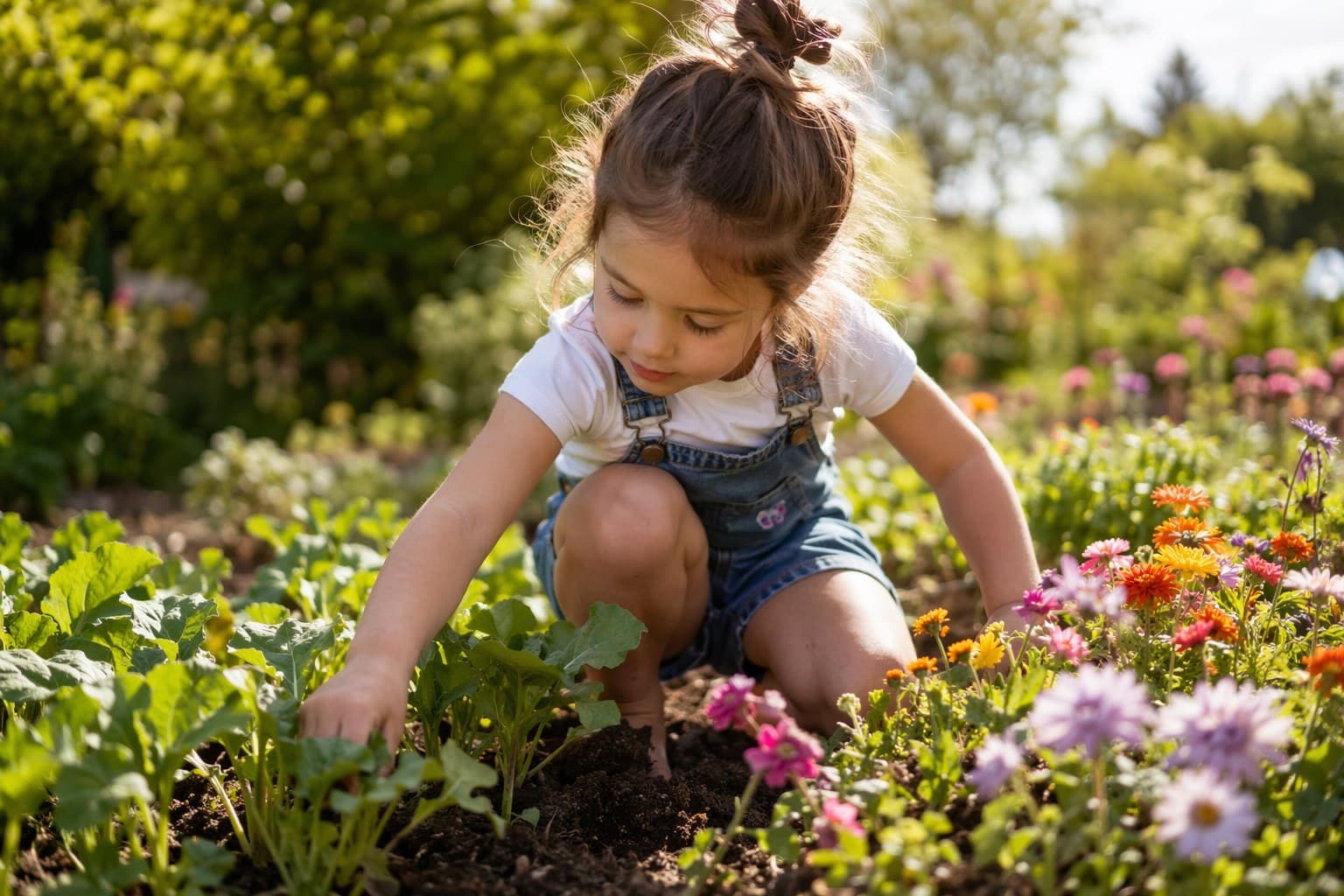
Walk into any garden center in May and you will face the same fork in the road every family does: the vegetable starts on one table, the flowers on the other. If you are gardening with children, the question is not just what grows well in your climate — it is what grows well for a four-year-old's attention span, a seven-year-old's pride, and a toddler's irresistible urge to taste everything. Edible and ornamental gardens both teach, but they teach different things and hold a child's interest in very different ways. This guide breaks down what each type offers, which specific plants win with kids, and how to combine them so your garden keeps a child coming back from the first warm week of spring through the last harvest of fall.
The Core Difference: Payoff and Permanence
The fundamental split between food gardening and ornamental gardening, from a child's point of view, comes down to two things: payoff and permanence.
Food plants offer a tangible, often edible reward. A child who watches a green tomato slowly blush red and then eats it warm from the vine experiences a complete, satisfying cycle. The payoff is concrete, immediate to the senses, and deeply motivating — children who grow food eat more of it, a finding repeated across studies including research published in the Journal of the Academy of Nutrition and Dietetics.
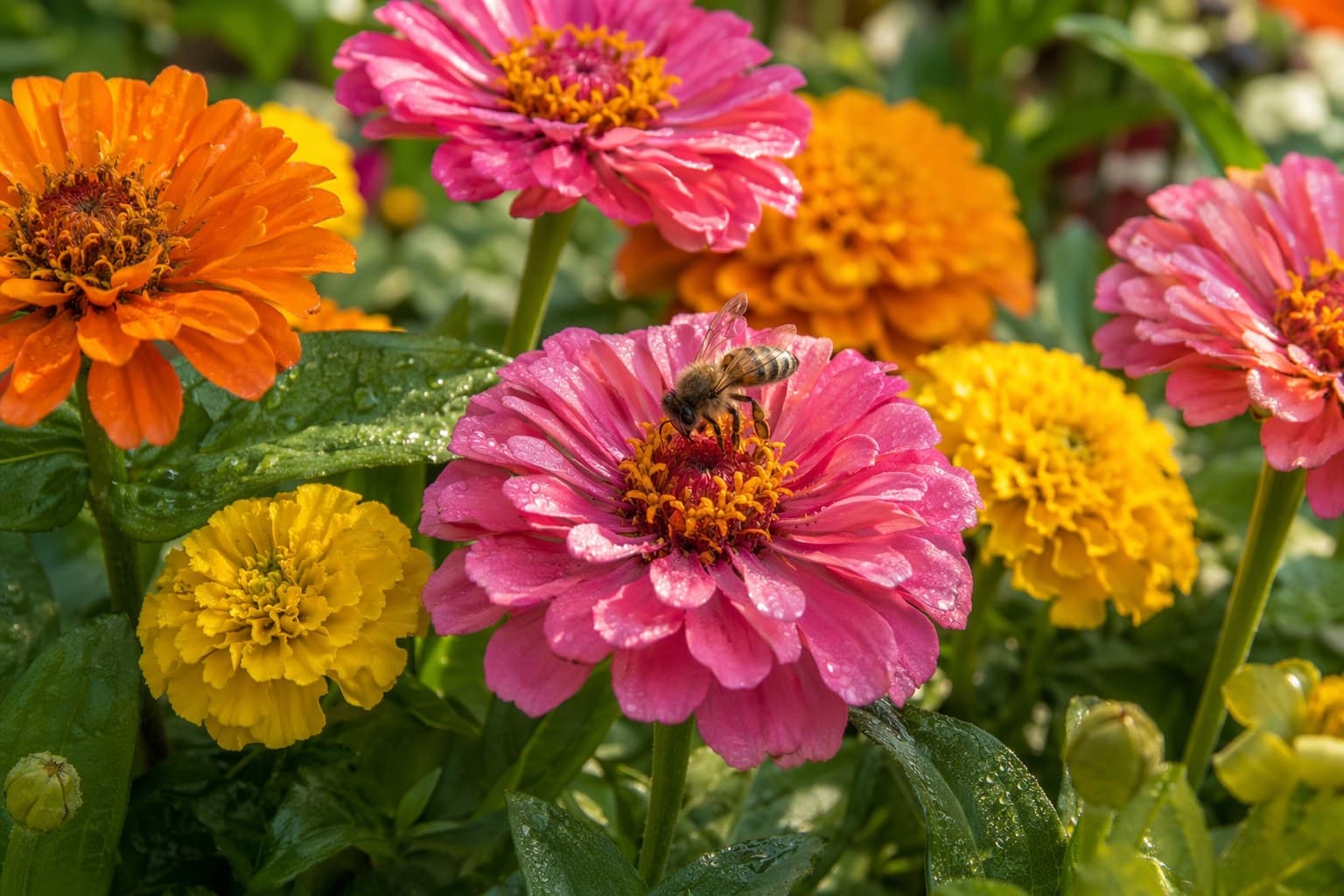
Ornamental plants offer a different reward: beauty, color, and the steady hum of pollinators. The payoff is sensory and emotional rather than edible. Flowers also tend to be more forgiving and longer-lasting in the garden — a zinnia bed blooms for months, while a lettuce patch is eaten and gone in weeks.
Neither is better. The right choice depends on your child's age, temperament, and what you want the garden to teach. If you are already building a rhythm of nature-based learning across subjects, both garden types slot in beautifully — they simply emphasize different lessons.
Food Gardens: The Case for Edible Plants
For children under about six, edible plants almost always win the engagement contest. The reason is simple: a child can eat the result. That single fact transforms watering from a chore into a strategy.
The Best Food Plants for Kids
Not all vegetables are created equal in a child's garden. The winners are fast, hard to kill, and rewarding to harvest:
- Cherry tomatoes — the undisputed champion. Sweet 100 and Sun Gold varieties produce hundreds of bite-sized tomatoes that children check for daily. Start with a single sturdy seedling and a tomato cage rather than seeds for faster results.
- Radishes — ready to pull in 25 to 30 days. That speed is everything for a young child. A packet of Cherry Belle radish seeds is one of the most reliable confidence-builders in the garden.
- Sugar snap peas — large seeds that small fingers can handle, fast germination, and a vine kids pick and eat straight off the stem.
- Strawberries — slow the first year, but once established, they produce handfuls of berries children find irresistible. Everbearing varieties spread the harvest across the season.
- Carrots — pulling an orange root out of the dirt never stops feeling like magic. Choose short, round varieties for containers.
A practical way to stock a first food garden is a curated heirloom vegetable seed collection, which bundles several proven, open-pollinated varieties so you can save seeds at season's end. If you want a head start, a tray of vegetable starter plants from a garden center skips the slow germination phase entirely — a worthwhile shortcut with impatient young gardeners.
What Food Gardens Teach
Edible gardens are nutrition, biology, and patience wrapped together. Children connect food to its source, witness the full plant life cycle from seed to harvest, and learn that some good things take weeks. They also learn responsibility in a way that has natural consequences: skip the watering, and the lettuce bolts. This is the same kind of real-world cause and effect you find in gardening with kids for beginners, where the garden itself does most of the teaching.
Ornamental Gardens: The Case for Flowers
If food gardens win on payoff, ornamental gardens win on beauty, pollinators, and a longer season of visible interest. Flowers also tend to be tougher and more drought-tolerant than vegetables, which makes them forgiving for a child still learning to water consistently.
The Best Ornamental Plants for Kids
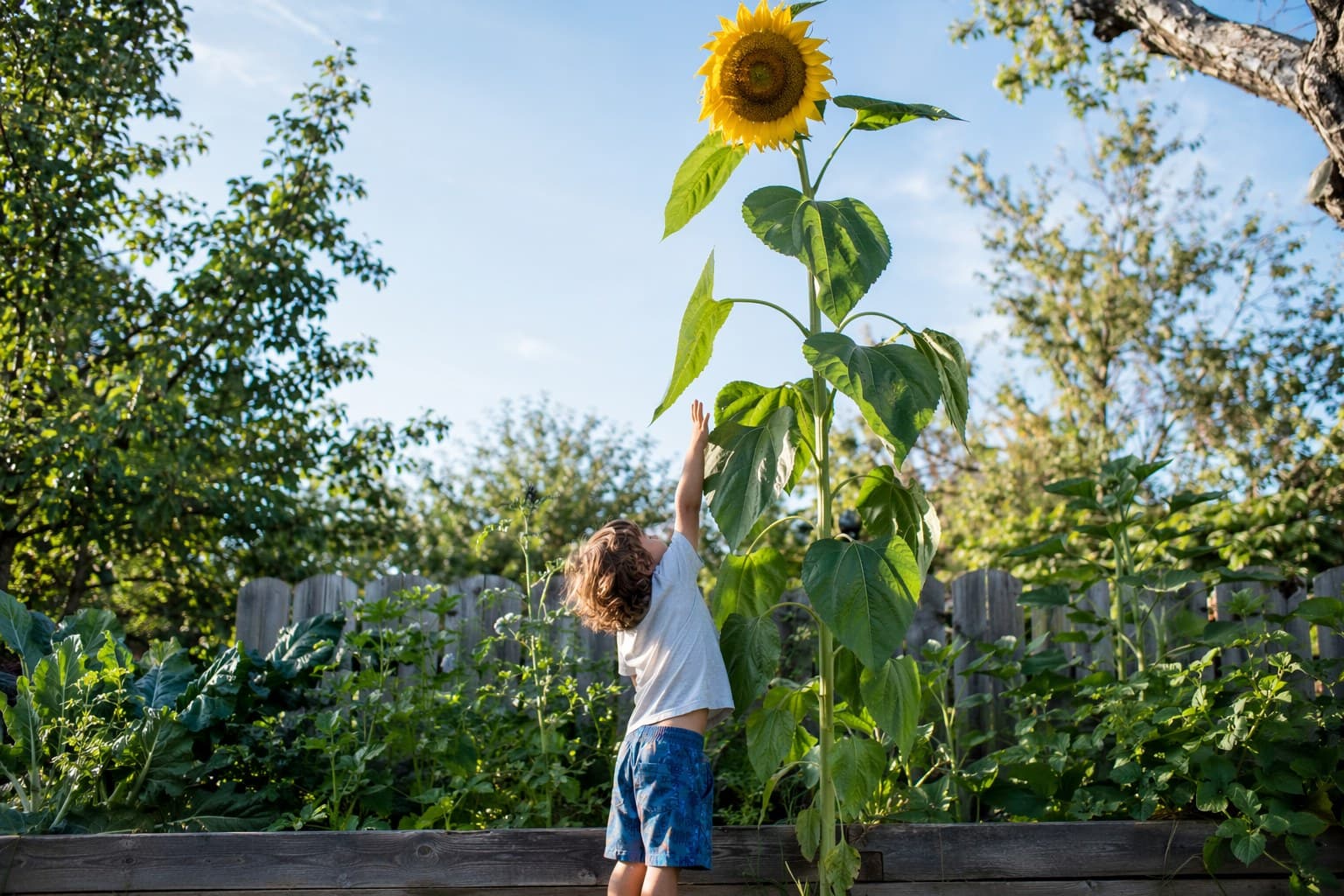
- Sunflowers — the most dramatic plant a child can grow. Mammoth varieties tower far above a young gardener, who can measure their own height against the stalk all summer. The seeds are large and easy to handle.
- Zinnias — big seeds, fast growth, brilliant color, and a cut-and-come-again habit that means the more a child picks, the more the plant blooms. A packet of zinnia seeds turns into endless bouquets.
- Marigolds — nearly indestructible, bright, and a natural companion that repels some garden pests.
- Snapdragons — children love pinching the blooms to make the "dragon mouth" open and close.
- Wildflower mixes — scatter a wildflower seed mix across a sunny patch and you get weeks of unpredictable color and a steady stream of bees and butterflies to observe.
For a true beginner flower garden, an annual flower seed collection gives you several fast, reliable bloomers in one purchase.
What Ornamental Gardens Teach
Flower gardens are where pollinator ecology comes alive. Sit quietly beside a zinnia patch and you can count how many flowers a single bee visits in a minute. Children learn about color, scent, the relationship between flowers and the insects that depend on them, and the simple generosity of growing something beautiful to give away. Cutting and arranging bouquets builds fine motor skills and a sense of pride — these blend naturally into garden crafts and activities for kids, from pressed-flower art to homemade bouquets for grandparents.
The Overlap: Plants That Do Both
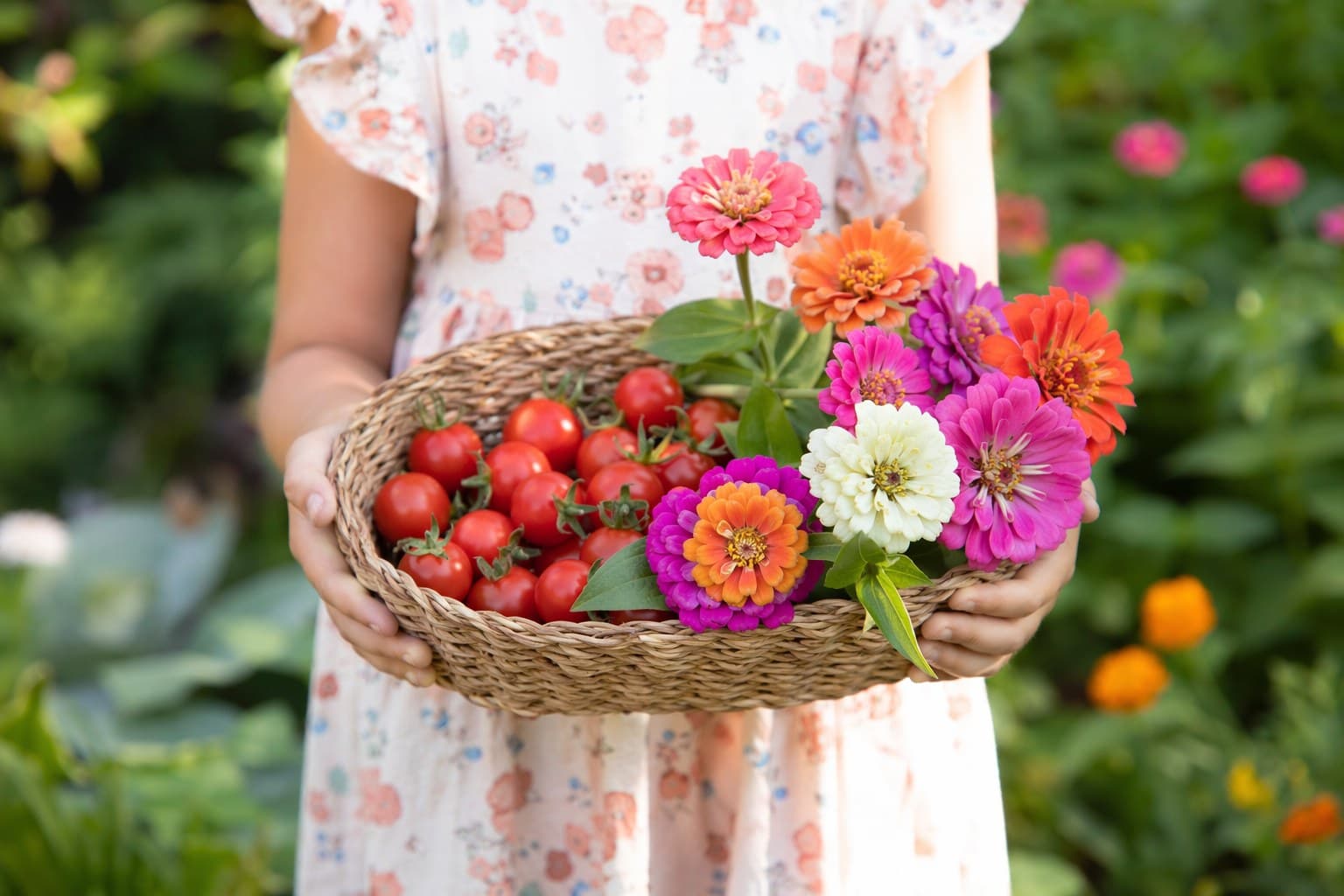
The most rewarding category for families is the plants that blur the line — ornamental and edible at the same time. These give children color and a taste, which is the best of both worlds.
- Nasturtiums — pea-sized seeds, bright edible flowers and leaves with a peppery bite, and a plant that thrives on neglect. A packet of nasturtium seeds is one of the single best buys for a child's garden.
- Calendula — cheerful orange and yellow blooms whose petals are edible and brighten a salad. Easy from seed and self-seeding for next year.
- Sunflowers — beautiful all summer, then a harvest of edible seeds in fall.
- Herbs in flower — basil, chives, and dill all flower attractively while remaining fully edible and fragrant.
A bed that mixes cherry tomatoes, nasturtiums, zinnias, and a clump of basil teaches food, beauty, and pollination all at once — and it looks far better than a tidy row of cabbages.
How to Decide: A Quick Framework
Use your child's age and temperament as the deciding factor.
Ages 2 to 5: Lead with food, accent with flowers. Young children need the fast, edible payoff to stay engaged. Plant radishes, peas, cherry tomatoes, and strawberries, then tuck in nasturtiums and sunflowers for color and pollinators.
Ages 6 to 9: Balance the two. School-age children can sustain a longer project. Give them a flower section they design themselves alongside a vegetable section with a goal — enough tomatoes for salsa, enough zinnias for a bouquet a week.
Ages 10 and up: Follow the child's interest. An older child fascinated by cooking may want a full kitchen garden; one drawn to art and insects may want a pollinator border. Let the garden specialize.
Whichever direction you lean, give children real, properly sized tools. A sturdy kids gardening hand trowel set and a small watering can do more for engagement than any single plant, because they let a child do the work themselves.
Common Mistakes Families Make
Choosing slow, static plants. Broccoli, cauliflower, and most perennials grow too slowly to hold a young child's interest. Save them for later years and lead with fast growers.
Going all-ornamental for a toddler. A bed of pretty flowers a toddler cannot touch or taste invites frustration — and sometimes a mouthful of something you would rather they not eat. Make sure anything within a toddler's reach is non-toxic.
Aiming for a magazine garden. A child's garden should look like a child made it: seeds planted sideways, flowers in odd clumps, a radish pulled too early. Process matters more than presentation, especially in the early years.
Skipping the flowers entirely. A purely edible garden misses the pollinator story, the color, and the simple joy of growing beauty. Even one row of zinnias changes the whole experience.
Frequently Asked Questions
Should kids start with a vegetable garden or a flower garden? For most children under six, start with food plants that offer a fast, edible payoff, then add hardy flowers like zinnias and sunflowers alongside them. A mixed bed gives kids the best of both and you rarely have to choose just one.
Which flowers are safe to grow with young children? Nasturtiums, calendula, violas, pansies, sunflowers, zinnias, marigolds, and snapdragons are all non-toxic, and nasturtiums and calendula are even edible. Avoid foxglove, lily of the valley, oleander, larkspur, and castor bean, which are toxic if eaten.
What plants keep kids interested the longest? Plants that change visibly and reward action — sunflowers you can measure against, cherry tomatoes you harvest daily, pumpkins as a months-long project, and cut-and-come-again zinnias. Slow, static plants tend to lose a young child's interest within a week or two.
The Bottom Line
You do not have to pick a side in the food-versus-ornamental debate, and with kids you usually should not. The garden that holds a child's attention longest is the one that offers something to eat, something to pick, and something to watch the bees land on. Lead with the fast, edible payoff that motivates young gardeners, layer in tough and beautiful flowers for color and pollinators, and let the proportions shift as your child grows. Plant a few cherry tomatoes, scatter some zinnia seeds, tuck nasturtiums along the edge, and hand your child a trowel. The garden will grow either way — and so will they.
Frequently Asked Questions
- Should kids start with a vegetable garden or a flower garden?
- For most children under six, start with food plants that offer a fast, edible payoff — cherry tomatoes, radishes, sugar snap peas, and strawberries. The motivation to eat what you grow is powerful and keeps young children engaged. Add ornamental flowers like zinnias and sunflowers alongside the vegetables so the garden also teaches color, pollinators, and beauty. You rarely have to choose one or the other; a mixed bed gives kids the best of both.
- Which flowers are safe to grow with young children?
- Nasturtiums, calendula, violas, pansies, sunflowers, zinnias, marigolds, and snapdragons are all non-toxic and child-friendly. Nasturtiums and calendula are even edible. Avoid foxglove, lily of the valley, oleander, larkspur, and castor bean, which are toxic if ingested. When in doubt, check a plant against a poison-control list before planting it where a toddler might taste it.
- What plants keep kids interested the longest?
- Plants that change visibly and reward action hold attention best. Sunflowers (dramatic height kids can measure against), cherry tomatoes (daily harvest), pumpkins (a months-long project with a payoff), and cut-and-come-again zinnias all give children a reason to return to the garden every day. Slow, static plants tend to lose a young child's interest within a week or two.
Enjoying this article?
Get more ideas like this delivered to your inbox every week.